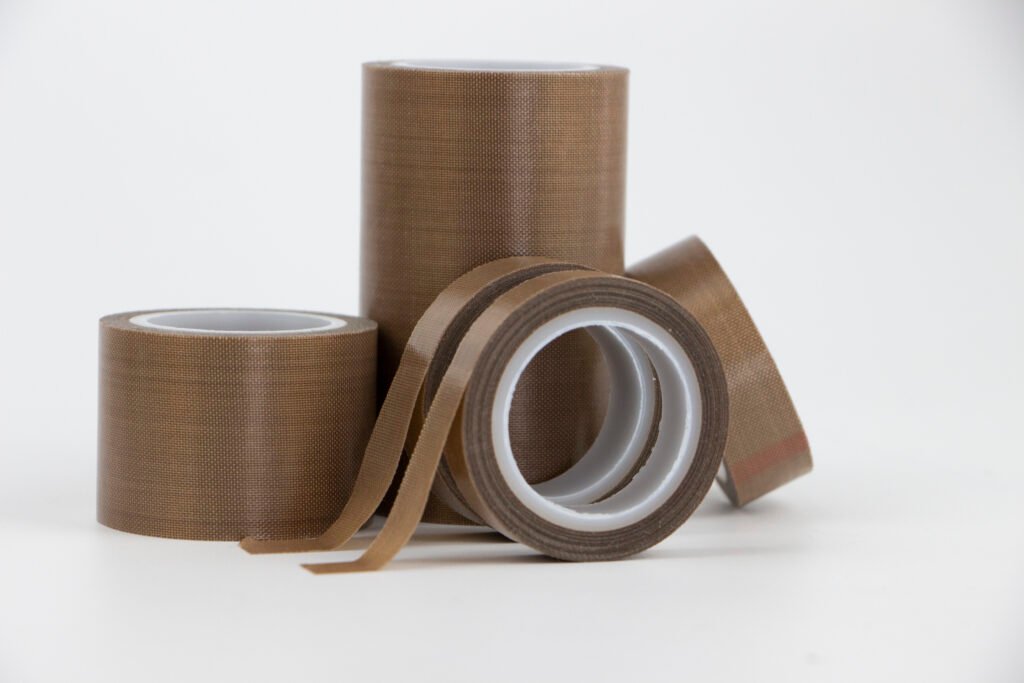
Teflon tape (also known as PTFE tape), composed of a polytetrafluoroethylene base material paired with high-performance pressure-sensitive adhesive, has become an indispensable auxiliary material across various industries. Its core advantages—high-temperature resistance, anti-stick properties, corrosion resistance, and insulation—revolve around four pillars: protection, sealing, isolation, and insulation. It is designed for a wide range of scenarios, effectively addressing pain points in production and application with high practicality.
Core Functions
The primary functions of Teflon tape leverage its unique material properties to meet multi-scenario functional demands:
Anti-stick & Isolation: Effectively isolates sticky substances from contact surfaces to prevent adhesion and residue, thereby reducing cleaning costs and material waste.
High-Temperature Protection: With an operating temperature range of -70°C to 260°C, it resists aging and peeling in extreme heat, protecting the substrate from damage.
Sealing & Leak Prevention: It conforms tightly to irregular surfaces to block gas and liquid penetration. Its corrosion resistance also allows it to withstand erosion from acids, alkalis, and solvents.
Insulation & Wear Resistance: Its excellent dielectric properties make it ideal for electrical insulation. Furthermore, its smooth surface and high wear resistance reduce friction between components, extending their service life.
Application Scenarios
Based on these diverse functions, Teflon tape offers exceptional adaptability across industrial manufacturing, electronics, and food processing.
Industrial Manufacturing: A vital tool in mold processing, it is applied to mold surfaces to prevent plastic or rubber products from sticking during de-molding, improving molding precision and preventing mold wear. In piping, it is used to seal joints carrying high-temperature or corrosive media, replacing traditional materials to solve leakage issues.
Electronics & Electrical: Its insulation advantages are prominent in wire and cable wrapping and electronic component protection. It is particularly suited for high-temperature electrical environments, such as internal wiring insulation in microwave ovens and industrial kilns, to mitigate short-circuit and leakage risks.
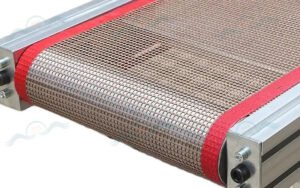
Food Processing: Due to being non-toxic, heat-resistant, and easy to clean, it is used for anti-stick treatment on food molds and conveyor belts. It prevents food adhesion while meeting food-grade safety standards to ensure hygiene.
Emerging & Specialized Fields
Furthermore, its use extends to New Energy, Semiconductors, and Textile Printing:
New Energy: Used for isolation and protection of battery electrode plates to enhance safety.
Semiconductors: Meets the anti-stick and insulation requirements of precision electronic components.
Textile & Printing: Applied to printing rollers to prevent ink buildup, ensuring uniform printing effects and reducing residue.
Conclusion
In summary, the functions of Teflon tape align perfectly with the core needs of various industries, covering complex conditions such as extreme temperatures, corrosion, and high insulation requirements. Choosing the right Teflon tape for specific scenarios not only boosts production efficiency and reduces loss but also provides reliable protection for equipment—truly embodying the concept of “small component, massive impact.”