
High-Temperature PTFE Mesh Belts: Heat-Resistant Solutions for Industrial Conveying
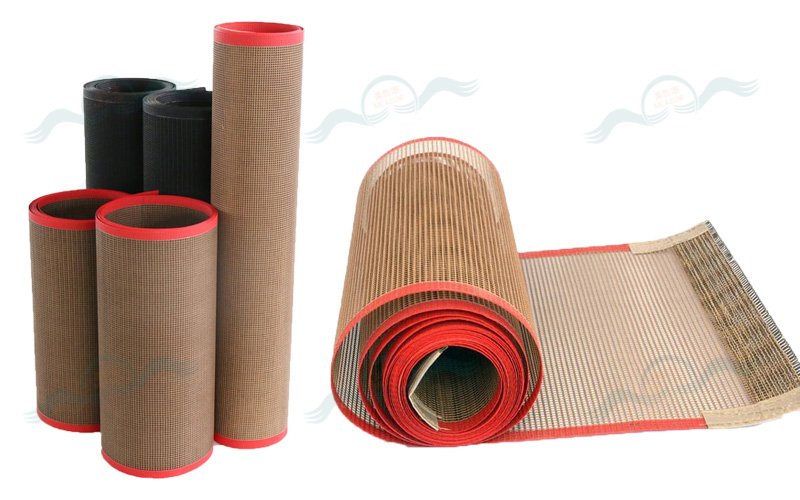
Guide to high-temperature PTFE mesh belts: heat resistance (-70°C to 260°C), chemical inertness, non-stick properties, industrial uses, and cost benefits.
Advantages and Application Industries of PTFE Teflon Tape: A Summary
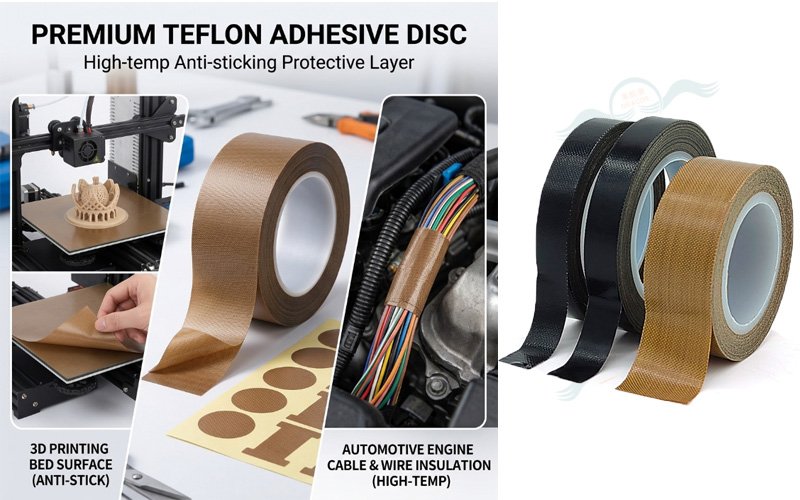
PTFE tape delivers -196°C to 300°C resistance, chemical stability, ultra-low surface energy, high strength and strong adhesion for industrial, electronics, medical, food and new energy applications.
Advantages of PTFE Mesh Belts in Industrial Applications
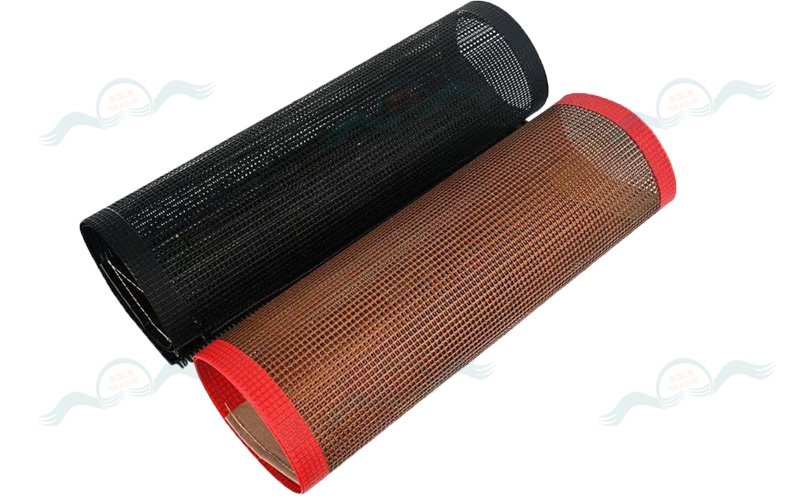
PTFE mesh belts offer -196°C to 300°C resistance, corrosion resistance, non-stick surfaces, high strength, breathability and food-grade safety, with customizable mesh and coatings for food, textile, chemical and electronics lines.
Key Considerations for Selecting PTFE High-Temperature Conveyor Belts in Food Baking Equipment
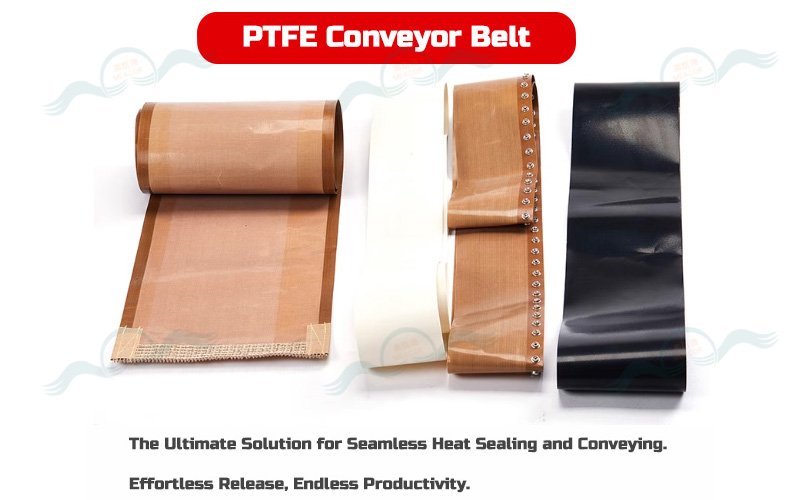
Guide to selecting PTFE conveyor belts for food baking equipment: FDA compliance, thermal stability (260°C), splice types, mesh sizing, and TCO optimization.
Performance Features and Industry Solutions for High-Temperature Drying Tunnel Conveyor Belts
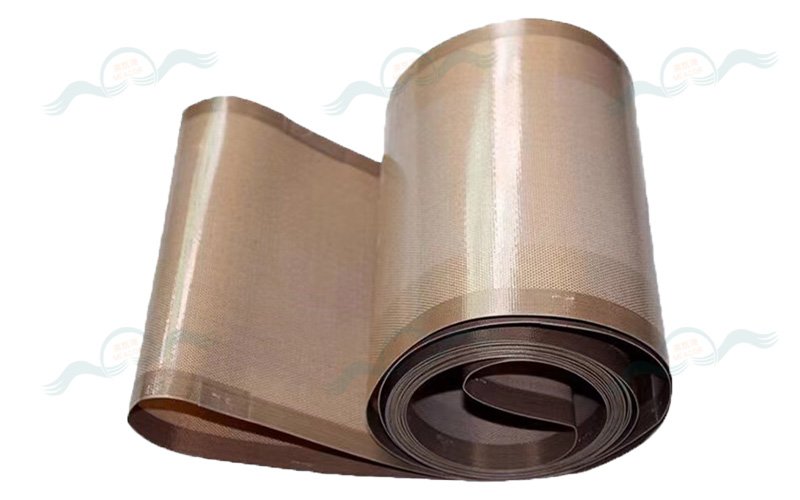
PTFE drying tunnel belts span -196°C to 300°C with strong chemical resistance, high tensile strength and 40–60% open area, delivering energy savings and higher yields across textile, food, electronics and chemical lines.
Fiberglass Mesh Conveyor Belts: Core Solutions for Industrial Thermal Processing
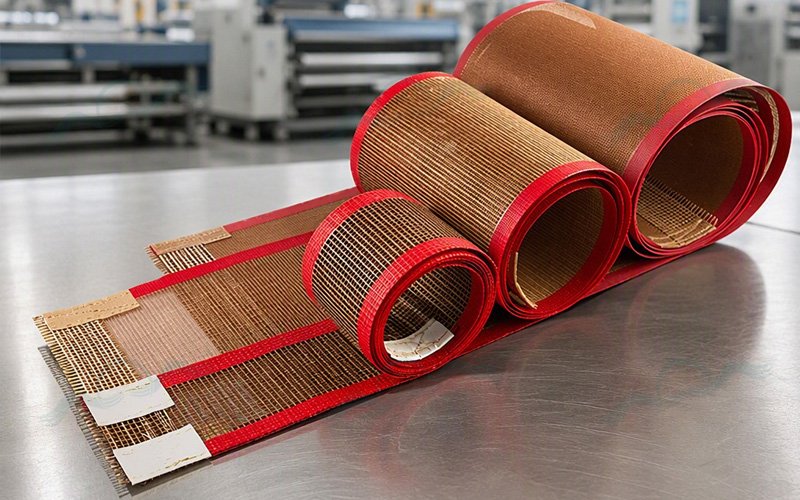
Technical guide on PTFE fiberglass mesh conveyor belts: composite architecture, key specs (-196°C to 300°C), industrial applications, and selection criteria.
Storage, Transportation and Maintenance of High-Temperature PTFE Conveyor Belts

Store PTFE conveyor belts rolled, unfolded, at -15°C to 40°C away from chemicals and heat; maintain by cleaning, tension control, joint checks and prompt repair, with food-grade or corrosion-resistant grades for special uses.
Breathability and Performance Characteristics of PTFE High-Temperature Drying Mesh Conveyor Belts
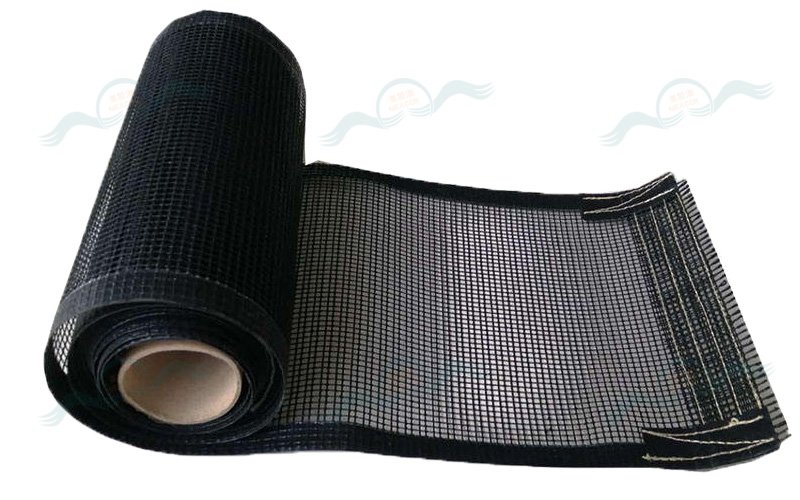
Technical guide on PTFE high-temperature drying mesh belts: superior breathability, hot air circulation, energy savings, and thermal stability (-70°C to 300°C).
PTFE Mesh Belt Manufacturer | Applications of PTFE Mesh Belts in Dryers, Printing/Dyeing, Food and Industrial Conveying

PTFE mesh belts combine breathable open mesh with non-stick, heat-resistant, corrosion-resistant PTFE for dryers, printing, food and industrial lines; choose mesh, size, joint and edge treatment by equipment and conditions.
PTFE Conveyor Mesh Belt Manufacturer | Applications of PTFE Mesh Belts in Drying, Food, Printing/Dyeing and Industrial Equipment

PTFE conveyor mesh belts combine open-mesh air permeability with non-stick, heat-resistant, corrosion-resistant PTFE for drying, food, printing and industrial ovens — customize by mesh, width, joint and edge design.
PTFE Film Tape vs. PTFE Tape: How to Choose the Right Industrial Sealing Solution?

PTFE film tape suits high-temperature sealing and electronics with pure-film 260°C resistance, while fiber-reinforced PTFE tape fits dynamic, heavy-load use; choose by temperature, load, chemicals and lifecycle cost.
Silicone Coated Fabric & Raw Material Overview: Silicone Rubber Performance and Medical Applications
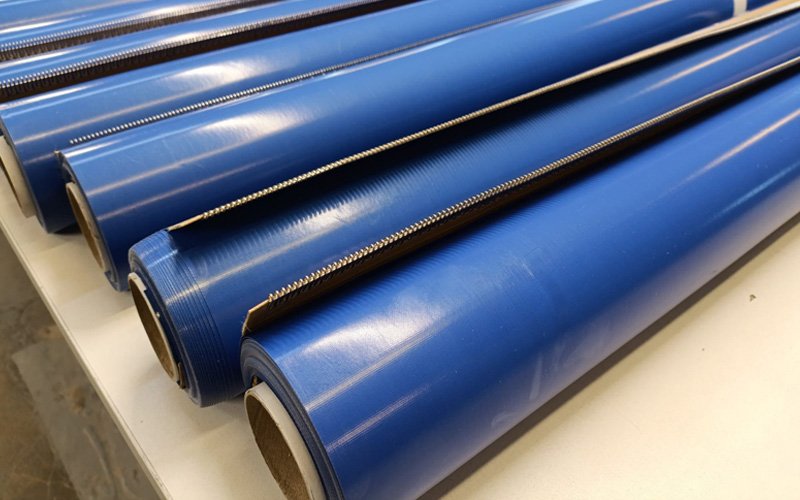
Technical overview of silicone fabric and silicone rubber: chemical properties, extreme temp range (-90°C to 300°C), and medical device applications.