What Are the Specific Manifestations of the Chemical Corrosion Resistance of PTFE High-Temperature Tape?
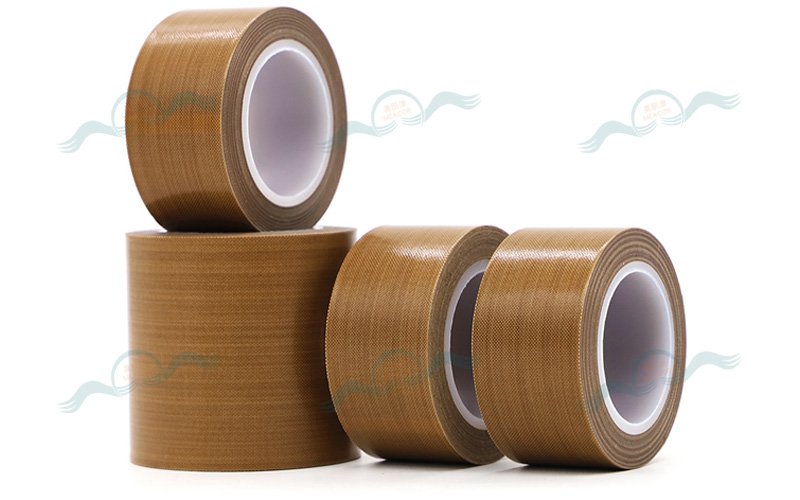
The chemical corrosion resistance of PTFE high-temperature tape originates primarily from the substrate material — polytetrafluoroethylene (PTFE) — known for its exceptionally high chemical inertness (extremely high C-F bond energy, making it one of the most chemically stable polymer materials currently available). Combined with a chemically compatible silicone rubber pressure-sensitive adhesive layer (the standard adhesive type), the tape as a whole withstands attack from the vast majority of industrial acids, alkalis, solvents, oxidizing agents, and reducing agents. It exhibits only slight reactivity with a very small number of extremely aggressive media, and its corrosion resistance remains unaffected by temperature within its operating range (-70°C to 260°C) — with no swelling, cracking, dissolution, aging, or media adsorption even under prolonged contact. This makes it the preferred high-temperature adhesive protective material for industrial corrosive environments.
The following organizes its specific media compatibility performance by category (covering core media found in common industrial scenarios), while also clearly identifying the limited exceptions, to align with practical application needs.
Ⅰ. Resistance to Virtually All Inorganic Acids & Alkalis (Concentrated & Dilute, Including High-Temperature Media)
PTFE substrate exhibits zero reactivity with inorganic acids and alkalis; the silicone adhesive layer also withstands medium-to-high concentration inorganic acids and alkalis with no corrosion or deformation — making this a core advantage for electroplating, acid pickling, and chemical acid/alkali tank/pipeline protection.
- Strong Inorganic Acids: Hydrochloric acid (concentrated/dilute, including boiling HCl), sulfuric acid (≤98% concentration, excluding fuming sulfuric acid), nitric acid (concentrated/dilute, including high-temperature nitric acid vapor), phosphoric acid, hydrobromic acid, perchloric acid, and similar acids
- Strong Inorganic Alkalis: Sodium hydroxide (including molten NaOH, short-term tolerance within 260°C), potassium hydroxide, calcium hydroxide, ammonia solution, concentrated sodium carbonate/sodium bicarbonate solutions
- Mixed Acid/Alkali Systems: Industrial pickling solutions commonly used such as “hydrochloric acid + nitric acid” and “sulfuric acid + hydrofluoric acid” (low fluoride concentration) — no corrosion observed
Ⅱ. Resistance to Various Organic Acids, Alkalis & Anhydrides
Suitable for organic corrosive media encountered in pharmaceutical, fine chemical, and food processing applications — no media penetration, no swelling, no chemical reaction with media, and no contaminant migration.
- Organic Acids: Acetic acid, propionic acid, citric acid, oxalic acid, benzoic acid, stearic acid, oleic acid (including high-temperature organic acid vapors)
- Organic Alkalis: Triethanolamine, pyridine, aniline, dimethylamine, and similar compounds
- Organic Anhydrides / Acid Chlorides: Acetic anhydride, phthalic anhydride (commonly used in chemical synthesis), and similar compounds
Ⅲ. Resistance to Virtually All Organic Solvents (Polar & Non-Polar, No Swelling or Dissolution)
PTFE substrate is insoluble in any known organic solvent; the silicone adhesive layer also withstands the vast majority of solvents with no softening or swelling — suitable for solvent extraction, ink, coating, and plastics molding applications involving solvent contact.
- Non-Polar Solvents: Benzene, toluene, xylene, gasoline, diesel, kerosene, n-hexane, cyclohexane, carbon tetrachloride, dichloromethane
- Polar Solvents: Methanol, ethanol, propanol, acetone, methyl ethyl ketone, ethyl acetate, butyl acetate, DMF, DMSO, ethylene glycol, glycerol
- Mixed Solvents: Industrial-standard “alcohol + ester” and “hydrocarbon + ketone” mixed solvents — no reaction observed
Ⅳ. Resistance to Strong Oxidizing & Reducing Agents
Suitable for oxidation/reduction systems used in metallurgy, electroplating, and water treatment — neither the substrate nor the adhesive layer undergoes oxidative degradation or reductive corrosion, with no performance loss.
- Strong Oxidizing Agents: Hydrogen peroxide (≤50%), sodium hypochlorite, potassium permanganate, potassium dichromate, sodium chlorate, ozonated water, and similar agents
- Strong Reducing Agents: Sodium sulfite, sodium thiosulfate, sodium borohydride, hydrogen reducing atmosphere, sulfide solutions (e.g., sodium sulfide), and similar agents
Ⅴ. Resistance to Various Salt Solutions & Industrial Wastewater
No corrosion from common metal salts and inorganic salt concentrated solutions encountered in industry — suitable for seawater, electroplating rinse water, metallurgical wastewater, and chemical salt bath applications, with no ion adsorption or intergranular corrosion.
- Common Resistant Salts: Sodium chloride, potassium chloride, ferric chloride, copper chloride, copper sulfate, ferrous sulfate, silver nitrate, potassium carbonate, ammonium chloride, ammonium fluoride (low concentration), including high-salinity saturated salt solutions
Ⅵ. Resistance to Various Industrial Vapors & Gas-Phase Corrosive Media
In high-temperature steam and corrosive gas-phase environments, the tape surface shows no powdering or peeling — sealing and protective performance remains stable, suitable for gas-phase protection in chemical reactors, steam pipelines, and drying equipment.
- Resistant Gas-Phase Media: Water steam (saturated steam within 260°C), hydrochloric acid vapor, nitric acid vapor, acetic acid vapor, ammonia gas, sulfur dioxide, dry chlorine gas, and similar gases
[KEY NOTE] Limited Exceptions — Media PTFE High-Temperature Tape Cannot Fully Resist
Only under combined high-temperature + high-concentration conditions does the tape show slight susceptibility to a very small number of extremely aggressive media. Such scenarios are rare in industry but should be deliberately avoided:
- Molten Alkali Metals / Alkaline Earth Metals (e.g., sodium, potassium, lithium) — react with PTFE via fluorine substitution above 300°C
- Pure Fluorine Gas / Fluorides (e.g., concentrated hydrofluoric acid + strong oxidizer combinations, sulfur hexafluoride) — can break C-F bonds at high temperature
- A small number of special perfluoroalkane solvents under high temperature and pressure (rarely used industrially)
- The silicone adhesive layer shows slight softening with prolonged exposure to concentrated hydrofluoric acid, fuming sulfuric acid, or high-concentration fluoroboric acid — for these media, select adhesive-free PTFE tape (mechanically fastened) instead
Supplementary Note: Minor Impact of Tape Structure on Corrosion Resistance
The core corrosion resistance of PTFE high-temperature tape is determined by the PTFE substrate; the adhesive layer plays only a supporting role:
- Standard Silicone Adhesive Grade: Slightly lower corrosion resistance than PTFE itself, but covers more than 95% of industrial corrosive scenarios
- Premium Fluoroelastomer Adhesive Grade: Corrosion resistance closer to PTFE itself — withstands concentrated hydrofluoric acid, fuming sulfuric acid, and other strongly corrosive media; suitable for extreme corrosive applications
- Thin Tape Grades (≤ 0.1 mm) — Edge / Joint Areas: Where strong media penetration risk exists, sealing treatment is required to prevent media ingress through gaps
In summary, the chemical corrosion resistance of PTFE high-temperature tape is one of its core performance characteristics — suitable for nearly all industrial scenarios involving combined corrosion and high-temperature requirements, including chemical processing, electroplating, metallurgy, food processing, and lithium battery manufacturing. This is the core reason it replaces traditional rubber and plastic tapes.