The Advantages of PTFE High-Temperature Fabric in Solar PV Production
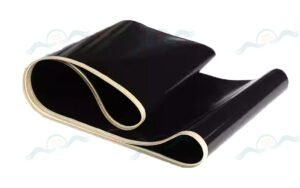
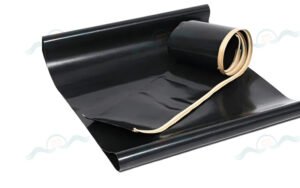
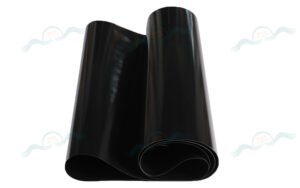
PTFE (Teflon) high-temperature fabric features a premium fiberglass substrate coated with polytetrafluoroethylene resin. In solar photovoltaic (PV) module manufacturing, its core benefits are highly concentrated in the lamination process, while also playing a critical supporting role in string welding and curing stages, delivering stable, efficient, and premium process protection.
I. Core Performance Strengths and PV Production Alignment
| Performance Feature | Technical Parameters | Value in Solar PV Production |
|---|---|---|
| Ultra-High Thermal Stability | Resists temperatures from -196°C to 260°C continuously (peaks to 300°C), vastly exceeding solar lamination thresholds (140°C–160°C). | Adapts to the full lamination cycle without softening or warping, securing the dimensional precision of the modules. |
| Superior Non-Stick Quality | Extremely low surface energy ensures near-zero substance adhesion; molten EVA film and resins release effortlessly. | Prevents EVA from bonding to the laminator heating plates, slashing cleaning costs, boosting demolding efficiency, and avoiding surface contamination or defects. |
| Chemical Inertness | Withstands strong acids, alkalis, and organic solvents, reacting only with molten alkali metals and fluorine gas. | Resists chemical attack from various agents used in solar cell processing, extending service life and preventing component contamination. |
| Dimensional Stability | Minimal coefficient of thermal expansion ensures shape retention and structural integrity under prolonged heat exposure. | Guarantees uniform pressure distribution over the modules during lamination, eliminating cosmetic flaws like wrinkles or warping. |
| Excellent Electrical Insulation | Dielectric strength is ≥20kV, and electrical shielding properties remain uncompromised across all operating temperatures. | Protects delicate solar cells from static discharge damage, meeting the strict electrical isolation needs of PV modules. |
| Abrasion and Wear Resistance | Highly resistant to wear and tearing; strength is retained after 200 days at 250°C, and weight loss is just 0.6% after 120 hours at 350°C. | Lasts 3 to 5 times longer than conventional industrial fabrics, lowering replacement cycles and minimizing production downtime. |
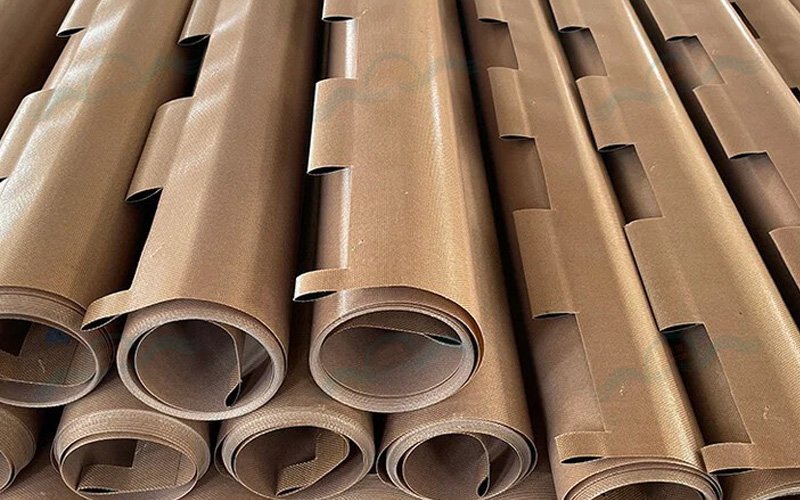
| Breathable / Perforated Profiles | Customizable perforated mesh configurations (0.5–2 mm pore size) allow clean gas ventilation. | Channels out trapped air pockets inside the module during lamination, eliminating bubble residues to optimize encapsulation quality and long-term field reliability. |
II. Specific Process Advantages in Solar PV Operations
- Core Benefits in the Lamination Stage
- Dual-Side Isolation Shielding: Positioned between the module and the top/bottom heating plates to prevent EVA adhesion while sheltering the modules from mechanical scratches.
- Uniform Pressure Transmittance: The highly compliant yet ultra-strong texture ensures that the laminator’s vacuum pressure is uniformly dispersed across every square millimeter of the module, optimizing encapsulation consistency.
- Micro-Contaminant Barrier: Shields the module from any particulate debris on the heating plate surface, cutting down micro-crack and cosmetic rejection rates.
- Effortless Cleaning and Upkeep: Residual EVA and surface stains wipe away instantly, reducing maintenance overhead and maximizing machine uptime.
- Benefits in Secondary PV Manufacturing Stages
- Stringer Conveyor Belts: Low friction and high thermal limits enable smooth, automated solar cell transport while preventing ribbon solder bonding.
- Curing Oven Separation Liners: Provides non-stick separation during component curing to safeguard overall surface finish.
- High-Temperature Testing Fixtures: Serves as a dependable isolation sheet during thermal cycling and accelerated stress testing.
III. Economic and Quality Payoffs
- Maximized Module Yield Rates: Eradicates defects stemming from sticking, cross-contamination, and trapped air bubbles, driving up first-pass production yields.
- Slashed Operational Expenditures: Extended service life drops replacement frequencies, lower maintenance demands reduce labor overhead, and faster release cycles raise overall throughput.
- Guaranteed 25-Year Service Life: Mitigates internal structural flaws, directly enhancing the durability and field reliability of PV modules over their 25-year outdoor lifespans.
- Universal Process Adaptability: Works seamlessly with single-glass, double-glass, and flexible thin-film modules without requiring extensive tooling reconfigurations.
IV. Distinct Advantages Over Alternative Materials
Compared to silicone sheets or standard industrial fabrics, PTFE fabric delivers notable advantages in solar cell lamination:
- Far Greater Release Retention Than Silicone: Silicone sheets gradually lose their release capabilities under continuous high heat, whereas PTFE maintains a consistently low coefficient of friction.
- Superior Chemical Resilience: Silicone can swell or degrade when exposed to certain industrial solvents, while PTFE is impervious to nearly all processing chemicals.
- Extended Structural Lifespan: PTFE fabric typically outlasts silicone alternatives by 2 to 3 times, driving down total operational costs.
- Smoother Aesthetic Finish: Leaves a superior surface finish on the backing of the module, minimizing fabric texture impressions or visual blemishes.
With its combined properties of extreme heat resistance, non-stick release, chemical inertness, and dimensional accuracy, PTFE high-temperature fabric has become an indispensable asset in solar PV manufacturing. Serving as a critical safeguard in the lamination phase, it directly influences module quality, process throughput, and factory costs, remaining a vital industrial material for scaling solar product competitiveness.