How to Remove Adhesive Residue from PTFE Teflon Tape?
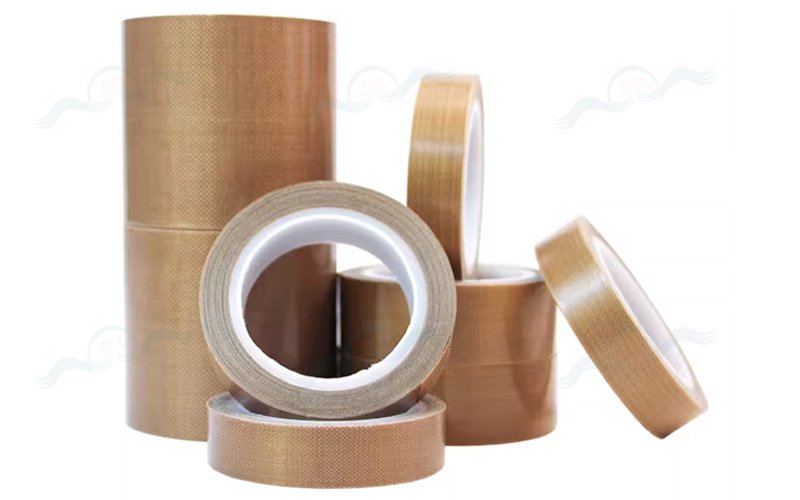
The core approach to removing PTFE tape adhesive residue is to first soften the pressure-sensitive adhesive layer, then physically peel or wipe it away. The fundamental principle is to select the method based on the substrate material (to avoid corrosion or scratching, especially on plastic, PTFE-coated, and glass surfaces). PTFE tape residue is typically acrylic or rubber-based pressure-sensitive adhesive.
Ⅰ. General Gentle Method (Suitable for 90% of Standard Scenarios — No Substrate Damage Risk)
Applicable Substrates: Metal, glass, ceramic, rigid plastics (PP/PE), PTFE-coated surfaces — prioritize this method for simple, safe operation.
- Physical Pre-Cleaning: Hand-peel any loosely adhered residue, then gently scrape with a plastic scraper, bank card, or bamboo spatula — only remove loose adhesive; avoid hard scraping that causes scratches
- Softening & Wiping: Apply one of the following mild solvents to a lint-free cloth or cotton pad, hold against the residue for 3–5 minutes to allow full penetration, then wipe in one direction:
- First choice: Anhydrous ethanol / isopropyl alcohol (IPA) — mildest option; no residue; universal for most substrates; safe for subsequent cleaning of food-contact surfaces
- Alternative: White vinegar / lemon juice — weak acid; eco-friendly; extend contact time to 5–8 minutes
- Easy option: Commercial adhesive remover — spray, wait, then wipe; effective for mild stubborn residue
- Final Cleaning: After removing residue, wash surface with water + dish soap (for organic solvent-based methods); dry thoroughly
Ⅱ. Stubborn Residue Removal Method (For Thick or Long-Duration Adhesive Residue)
If the gentle method is ineffective, first apply heat to soften the adhesive layer (pressure-sensitive adhesive loses tack when heated), then combine with solvent wiping. Suitable for heat-resistant substrates such as metal, glass, and ceramic (use caution with plastics).
- Heat Softening: Apply a hair dryer on hot setting (50–60°C) for 1–2 minutes, or apply a warm damp cloth for 5 minutes — the adhesive layer will noticeably soften and bubble
- Combined Removal: While still warm, gently scrape with a plastic scraper, then wipe with acetone / lacquer thinner (cellulose thinner) on a cloth (apply only to the residue area — avoid spreading over large areas); stubborn adhesive will detach rapidly
- Note: Acetone is highly flammable — maintain good ventilation and keep away from open flames during use; wipe with ethanol after removal to eliminate acetone residue
Ⅲ. Substrate-Specific Adhesive Removal Methods (Critical — Prevents Surface Damage)
Metal Substrates (Stainless Steel, Iron, Aluminum — Industrial Equipment / Molds)
Full range of methods applicable. Additionally, fine-grit sandpaper (2000 grit or finer) can be used to gently buff the adhesive area only, followed by polishing cloth — or soak in degreaser/metal cleaning agent then wipe. No damage risk.
Plastic Substrates (PVC, ABS, Soft Plastics — Appliances, Plastic Components)
- Strictly prohibited: Acetone, lacquer thinner, strong acids/alkalis (cause plastic swelling, whitening, cracking); high-temperature heating (causes deformation)
- Only use: Anhydrous ethanol / dedicated plastic adhesive remover — apply and wipe gently with a soft cloth; for thick adhesive, repeat multiple times; never use hard scrapers
PTFE (Teflon) Coated Substrates (Non-Stick Cookware, PTFE Sheet Stock)
- Critical prohibitions: Steel wool, hard scrapers, coarse sandpaper — these scratch the PTFE coating and permanently destroy non-stick properties
- Use only: Anhydrous ethanol OR edible oil (olive oil, canola oil) — apply oil for 5 minutes to soften adhesive, wipe clean with a soft cloth, then wash thoroughly with dish soap (safer for food-contact applications)
Food-Contact Surfaces (Kitchen Equipment, Utensils, Food Machinery)
- Completely prohibited: Industrial solvents (acetone, lacquer thinner) — use only edible oil / white vinegar / food-grade anhydrous ethanol
- After treatment, rinse repeatedly with boiling water 2–3 times to ensure zero residue
Glass / Ceramic (Laboratory Instruments, Countertops)
All methods applicable. For stubborn residue, use a blade/utility knife at a 45° angle for gentle scraping (glass is hard enough to resist scratching), then wipe with ethanol.
Ⅳ. Important Precautions
- Organic solvents (acetone, IPA, lacquer thinner) are all highly flammable — keep away from open flames and high-temperature equipment; maintain indoor ventilation during use
- Always perform a patch test on a hidden area of the substrate first (e.g., back of equipment, corner of plastic component) — confirm no whitening, corrosion, or discoloration before full-scale application
- Industrial batch adhesive removal: Ultrasonic cleaning machine + ethanol / dedicated adhesive remover is suitable for small PTFE components; high efficiency
- Never use strong acids/alkalis (caustic soda, hydrochloric acid) for adhesive removal — they corrode certain substrates and react with the adhesive, producing residues that increase cleaning difficulty
Supplementary: Industrial Batch Adhesive Removal Solutions
For factory production line or mold PTFE tape residue batch removal, use vapor-phase degreasing (IPA vapor-phase cleaning machine) or spray cleaning (adhesive remover + high-pressure spray), combined with oven drying — leaves zero residue, high efficiency, and protects mold/equipment surface precision.