What Are the Advantages of PTFE Anti-Stick Fabric Tape in Food Processing Industry Applications?
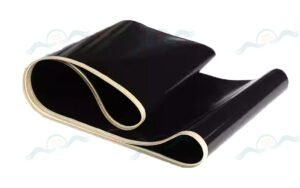
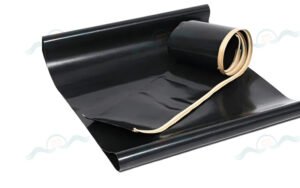
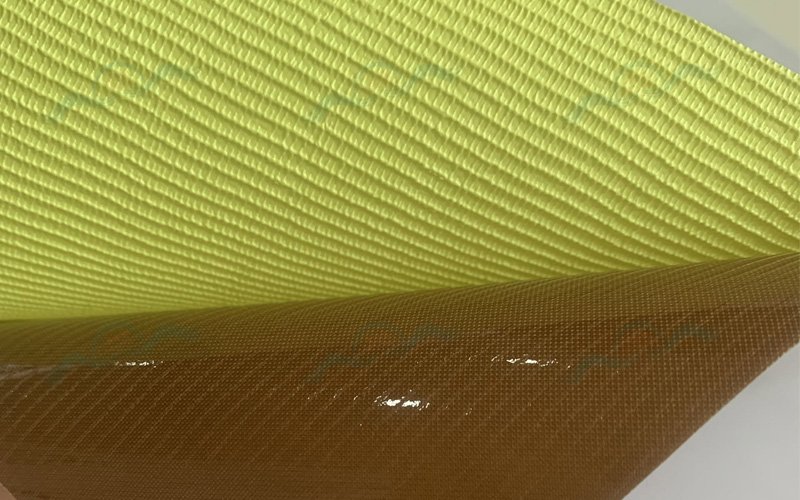
PTFE anti-stick fabric tape, leveraging its core properties of strong non-stick performance, high-temperature resistance, food-grade safety, and chemical corrosion resistance, is widely used across multiple critical food processing operations — effectively resolving the pain points of food adhesion to equipment, difficult cleaning, and elevated food safety risks.
Ⅰ. Main Application Scenarios & Corresponding Advantages
Baking Operations (Baking Trays, Racks, Oven Interior Walls)
Application: Applied to baking tray and rack surfaces or oven interior walls in the production of bread, cookies, cakes, and biscuits.
Core Advantages:
- Outstanding non-stick performance prevents batter and dough from adhering to equipment surfaces — finished products release cleanly and completely, reducing rejects and raw material waste
- Withstands continuous high temperatures of approximately 260°C — does not melt, deform, or release harmful substances during baking; compliant with food-contact safety requirements
- Smooth surface prevents baked-on residue from adhering — cleanup requires only simple wiping; no need for strong acid or alkali cleaning agents, reducing cleaning costs and labor time
Food Conveying Operations (Conveyor Belts, Guide Rollers, Hopper Inner Walls)
Application: Applied to conveyor belt surfaces and guide rollers for candy, chocolate, frozen dumplings, and tangyuan conveying; also used on inner walls of sauce and filling hoppers.
Core Advantages:
- Reduces friction coefficient between food and equipment surfaces — prevents adhesive materials (chocolate sauce, syrup) and semi-finished products from sticking, ensuring smooth conveying and preventing material jamming-induced downtime
- Excellent low-temperature resistance (withstands down to -200°C) — suitable for cryogenic conveying environments in frozen food production; stable performance with no embrittlement
- Oil-resistant, acid-resistant, and alkali-resistant — withstands common food-contact substances including oils, fruit acids, and salt, extending both tape and equipment service life
Heat Sealing & Packaging Operations (Heat Sealing Molds, Sealer Press Heads)
Application: Applied to the surfaces of heat sealing molds and sealer press heads used in plastic bags, aluminum foil bags, and composite film food packaging.
Core Advantages:
- Non-stick and heat-resistant — prevents packaging film from sticking to molds during heat sealing; ensures flat, secure seals, improving packaging efficiency and yield rate
- Does not chemically react with packaging materials — prevents contamination of food packaging surfaces, safeguarding packaging appearance and food safety
Demolding & Forming Operations (Pastry Molds, Frozen Food Forming Molds)
Application: Applied to inner walls of forming molds for pastries, jellies, ice cream, and frozen meat products.
Core Advantages:
- Achieves clean, non-stick demolding — preserves product shape integrity and improves finished product appearance consistency
- Material complies with FDA, GB 4806, and other food-contact material safety standards — non-toxic and odorless; no harmful substance migration to food products
Ⅱ. Summary of Core Advantages Specific to Food Processing Industry
- Food Safety Priority: Certified compliant with international and domestic food-contact material safety standards — direct food contact presents zero risk
- Significant Cost Reduction & Efficiency Improvement: Reduces food waste, shortens cleaning time, and reduces equipment maintenance frequency — indirectly improving overall production efficiency
- Strong Operating Condition Adaptability: Simultaneously withstands high-temperature baking and low-temperature freezing environments — adapts to the diverse temperature requirements across the full food processing workflow