Environmental Factors Affecting the Performance of PTFE Adhesive Tapes During Storage
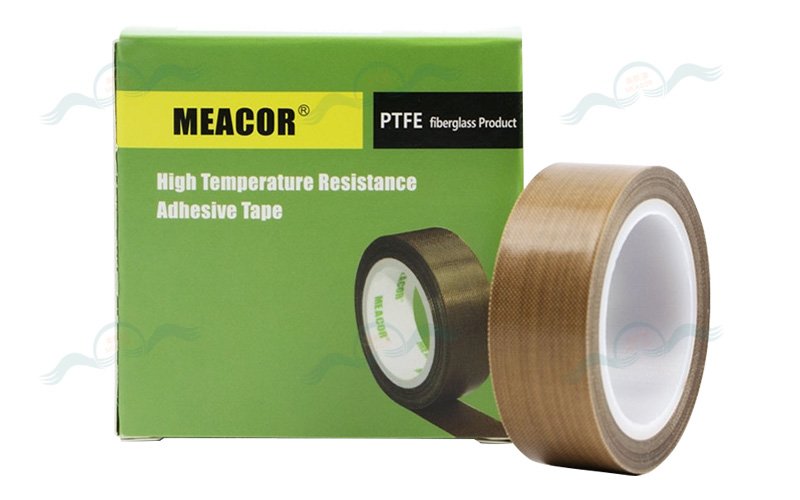
The shelf-life and performance stability of PTFE (Teflon) adhesive tapes rely heavily on the preservation of both the polytetrafluoroethylene (PTFE) substrate matrix and the pressure-sensitive adhesive (PSA) layer. Adverse storage environments can disrupt these components, leading to a severe degradation in tack, thermal limits, dielectric insulation, and service life. Below are the core environmental variables and their specific degradation mechanisms:
I. Temperature (The Critical Factor for Adhesive Integrity)
- High-Temperature Environments (>40°C):
- The adhesive layer undergoes thermal softening and viscoelastic migration, resulting in edge oozing, roll blocking (bonding between layers), and uneven application tracking.
- Although the PTFE backing possesses excellent thermal limits, prolonged storage under elevated ambient heat accelerates minor polymer chain degradation, reducing backing toughness and causing embrittlement.
- Exceeding the adhesive’s thermal threshold causes direct carbonization and absolute loss of tack.
- Low-Temperature Environments (<5°C):
- Solvent-based or rubber-based adhesives experience glassy embrittlement and hardening, drastically dropping the initial tack (green tack) and causing the tape to peel off spontaneously post-application.
- Ultra-thin PTFE Adhesive Tapes can undergo thermal contraction, leading to edge curling and dimensional deviations.
II. Humidity
- Excessive moisture is highly destructive to pressure-sensitive backings, particularly water-based or acrylic adhesive formulations.
- High relative humidity (RH) forces the adhesive layer to absorb moisture, breaking down its internal cross-linked network, which induces a drop in peel strength and causes ply delamination.
- Moisture can saturate paper release liners, causing structural warping or mold growth. This weakens the liner fibers, causing them to tear during peeling and leave paper residues that contaminate the adhesive.
- Long-term damp storage triggers edge oxidation on metal-foil composite PTFE tapes, impairing their thermal or electrical conductivity.
III. Light Exposure (Specifically UV Radiation)
- Ultraviolet rays act as a primary catalyst for polymer aging, destroying both the fluoropolymer film and the backing adhesive.
- UV radiation drives photo-oxidative degradation within the PTFE matrix, leading to surface chalking, micro-cracking, and a steep drop in tensile strength.
- The adhesive backing undergoes photo-induced cross-linking under UV rays, causing the layer to dry out, harden, and completely lose its elastic tack.
- Extended exposure to indoor fluorescent lighting will slowly compromise the tape’s weatherability, shortening its optimal shelf life.
IV. Oxygen and Contaminant Exposure
- Atmospheric Oxidation: Oxygen reacts with the adhesive compound (especially rubber-based variants), turning the layer brittle, cracked, and non-adhesive. While the PTFE facing is highly oxidation-resistant, prolonged exposure to oxygen-rich environments can cause minor surface aging, reducing its interfacial bond with the adhesive.
- Micro-Contamination:
- Airborne dust and sand particles clinging to the adhesive face weaken the contact area, compromising insulation and anti-corrosion seals.
- Oil splatters and chemical solvent vapors dissolve or plasticize the adhesive, leading to matrix swelling and delamination.
- Acidic or alkaline vapors (such as chlorine or ammonia in chemical warehouses) destroy the chemical stability of the adhesive and can degrade specialized surface treatments on the PTFE backing.
V. Mechanical Pressure and Stacking Configurations
- Stacking tape rolls too high applies excessive vertical load, resulting in core deformation, telescoping, and layer blocking—particularly in thin-gauge (<0.1 mm) profiles where permanent pressure marks can form.
- Storing rolls flat on their sides makes the vulnerable edges prone to crush damage, causing edge lifting during unwinding.
- Intermixing tapes with sharp tools punctures the dense PTFE film, providing entry paths for chemicals and ruining its wear resistance.
VI. Chemical Incompatibilities
- Although PTFE is globally recognized for its chemical inertness, direct storage contact with ultra-strong oxidizers (such as concentrated nitric acid or potassium permanganate solutions) or molten alkali metals will degrade its molecular framework.
- The adhesive backing remains highly susceptible to volatile organic solvents (such as acetone and toluene), which cause immediate swelling, dissolution, and complete loss of bonding capacity.
Recommended Storage Specifications:
- Temperature: Maintain strictly between 10°C and 30°C; Relative Humidity: 40%–60%.
- Warehouse Placement: Keep in a cool, dry, dark inventory zone away from windows, UV lamps, and direct HVAC heat outlets.
- Orientation: Store tape rolls vertically on their core ends, limiting stack heights to 1.5 meters to prevent compression loads.
- Shielding: Retain original sealed packaging to ward off oils, solvents, acids, alkalis, and dust.
- Inventory Control: Implement a strict First-In, First-Out (FIFO) rotation, ensuring consumption within the standard 6 to 12-month shelf life.