Chemical Corrosion Resistance of PTFE Adhesive Tapes
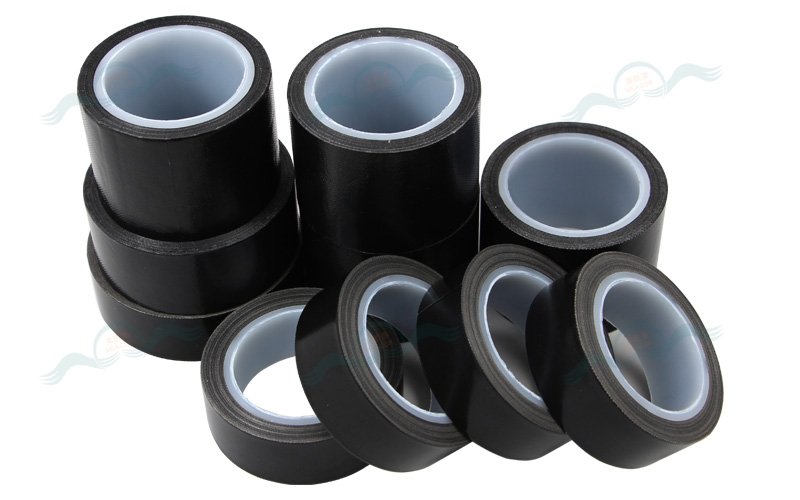
PTFE (Teflon) adhesive tapes exhibit exceptionally elite chemical corrosion resistance. The core carrier material is polytetrafluoroethylene (PTFE), widely recognized as the “King of Plastics,” which possesses an inherently robust inertness against the vast majority of aggressive chemical media.
The concrete performance benchmarks regarding corrosion resistance include:
I. Resistance to Strong Acids and Alkalis
Whether exposed to concentrated mineral acids (such as concentrated hydrochloric acid, sulfuric acid, and nitric acid) or strong alkaline agents (such as sodium hydroxide and potassium hydroxide), the PTFE matrix remains chemically non-reactive. It is completely immune to dissolution, swelling, or structural degradation. Even aqua regia, one of the most corrosive mixtures known, exerts negligible impact on the underlying PTFE base.
II. Resistance to Organic Solvents
Common industrial organic solvents, including acetone, ethanol, toluene, gasoline, and diesel, will not dissolve or break down the PTFE film. The PTFE Adhesive Tapes retains its mechanical integrity, physical property profile, and chemical stability seamlessly upon prolonged contact with these fluids.
III. Resistance to Strong Oxidizers
Potent oxidizing compounds, such as hydrogen peroxide and potassium permanganate solutions, fail to inflict erosive damage on the PTFE matrix, allowing the tape to operate reliably within highly oxidative chemical pipelines.
Critical Engineering Caveats to Consider:
- The adhesive coating layer generally yields lower chemical resistance compared to the standalone PTFE backing film. In highly aggressive environments, the adhesive compound may experience premature degradation, swelling, or debonding. Therefore, for rigorous chemical deployment, it is vital to select a highly matched chemical-resistant adhesive formulation (such as premium silicone-based or fluororubber-based adhesives).
- A minimal subset of extreme chemical agents under elevated temperature and high-pressure conditions will compromise the structural stability of PTFE. This includes molten alkali metals, elemental fluorine gas, and highly concentrated fluorinating agents. Under these rare conditions, standard PTFE tapes are not recommended.