How to Determine Whether the Adhesion of PTFE Anti-Stick Fabric Tape Is Normal?
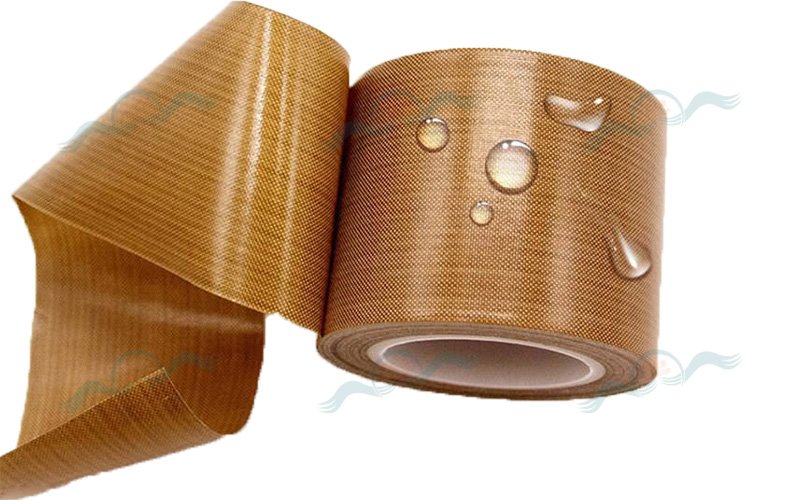
Assessing the adhesion of PTFE anti-stick fabric tape requires a combination of professional instrument testing and simple manual inspection, focusing on three core indicators: initial tack, peel strength, and holding power.
Ⅰ. Professional Instrument Testing Methods
1. Initial Tack Test (GB/T 4852 Rolling Ball Method)
Tape secured on 30° inclined panel; steel balls of decreasing size rolled down to determine the largest ball that stops on the tape. Industrial-grade PTFE tape should stop a ball of No. 15 or above.
2. Peel Strength Test (GB/T 2790-1995)
Tape bonded to stainless steel panel with 2 kg roller; peeled at 180° angle, 300 mm/min. Peel strength on steel ≥ 6.0 N/25 cm (premium products: 8–12 N/25 cm).
3. Holding Power Test (GB/T 4851)
Tape bonded with 1 kg suspended weight. Slip distance ≤ 0.125 inches (3 mm)/hour, or no detachment for ≥ 72 hours. Premium products retain 80% of initial tack at 250°C.
Ⅱ. Simple Manual Inspection Methods
Hand feel test, repeated bonding test, edge inspection, adhesive residue test, and high-temperature performance test (200°C for 1 hour).
Ⅲ. Typical Manifestations of Adhesion Abnormalities
Poor initial tack, complete adhesive detachment during peeling, severe residue after high-temperature exposure, inconsistent tack, and edge delamination — each indicating specific quality defects.
Ⅳ. Important Notes
Distinguish substrate face from adhesive face; account for temperature’s “bell curve” effect on tack; use comparative testing against certified reference samples.
Ⅴ. Summary
Assessment combines professional instrument testing of three core indicators with manual testing for rapid evaluation. Key criteria: stable adhesion, no failure, no residue, and maintained tack at elevated temperatures.