What Are the Application Scenarios for PTFE Teflon Tape in Low-Temperature Environments?
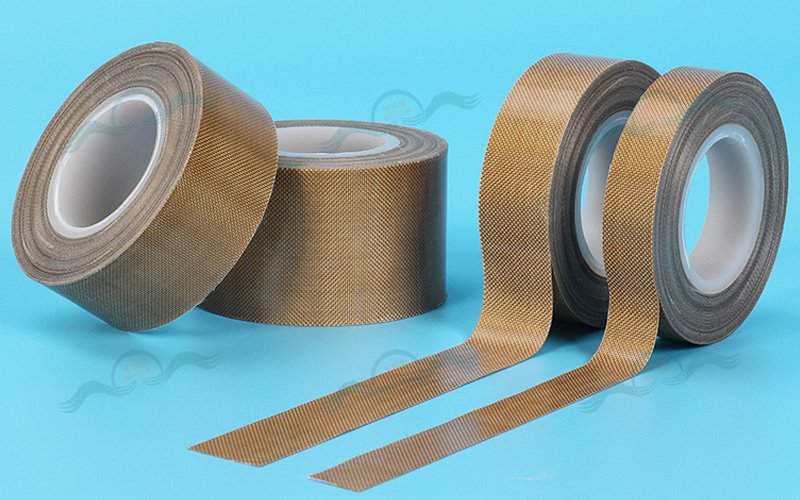
PTFE Teflon tape offers outstanding low-temperature resistance, capable of stable long-term use in ultra-low-temperature environments from -73°C to -196°C — remaining flexible, non-brittle, and maintaining full sealing performance at cryogenic temperatures.
Ⅰ. Aerospace & Defense
- Satellites & Spacecraft: Cable insulation protection, instrument and equipment sealing, pipeline fixation — withstands extreme space cryogenic environments (below -180°C)
- Rocket Engines: Sealing components and fuel line connections; prevents leakage at low temperatures; ensures propulsion system safety
- Military Equipment: Low-temperature weapon system sealing, electronic component insulation — suitable for arctic and extreme cold-region operational environments
Ⅱ. Scientific Research & Laboratory
- Cryogenic Experimental Equipment: Liquid nitrogen/liquid oxygen container sealing, Dewar flask interface fixation, superconducting material experimental apparatus insulation
- Gas Chromatography Instruments: Pipeline connection sealing; prevents carrier gas leakage at low temperatures; ensures analytical precision
- Materials Testing: Sample fixation and sensor line protection in low-temperature environments; ensures data accuracy
Ⅲ. Food & Pharmaceutical Industry
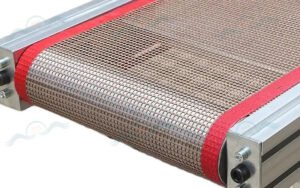
- Frozen Food Processing: Sealing strips for freezing equipment, conveyor belt interface fixation — prevents low-temperature embrittlement; maintains food hygiene and safety
- Pharmaceutical Industry: Low-temperature storage equipment sealing, vaccine cold chain transport packaging fixation — preserves drug activity and efficacy
- Dairy Production: Refrigerated tank sealing, cooling pipeline connections — prevents low-temperature leakage and contamination
Ⅳ. Chemical Processing & Energy Sector
- LNG Storage & Transportation Systems: Liquefied natural gas (-162°C) storage tanks and pipeline sealing — prevents low-temperature leakage and evaporation losses
- Low-Temperature Chemical Reactions: Refrigerant pipeline sealing, reactor interface fixation — compatible with low-temperature synthesis processes
- Hydrogen Energy Applications: Fuel cell low-temperature sealing, hydrogen storage vessel connections — ensures system stability at cryogenic temperatures
Ⅴ. Electronics & Electrical Industry
- Ultra-Low-Temperature Electronic Equipment: Superconducting circuit insulation, low-temperature sensor fixation — suitable for laboratory and industrial cryogenic environments
- Telecommunications Base Stations: Equipment sealing and line protection in high-latitude cold regions — prevents low-temperature performance degradation
- Automotive Electronics: EV battery cooling system sealing — compatible with extreme low-temperature operating conditions
Ⅵ. Industrial Manufacturing & Equipment Maintenance
- Freeze-Drying Equipment: Sealing doors and pipeline connections — maintains stable vacuum and low-temperature environment
- Cryogenic Valves & Pumps: Sealing components and shaft seal protection — prevents low-temperature media leakage and equipment damage
- Cold Chain Logistics Equipment: Refrigerated truck sealing strips, refrigeration unit connections — ensures temperature stability throughout the transport process
Ⅶ. Medical Equipment
Cryotherapy Devices: Liquid nitrogen cryogenic probe sealing and pipeline connections — ensures safe and effective treatment
- MRI Equipment: Superconducting magnet cryogenic system sealing, cooling pipeline fixation — ensures long-term stable equipment operation
- Blood Refrigeration Equipment: Sealing doors and sample rack fixation — prevents low-temperature leakage and sample contamination
Core Advantages in Low-Temperature Applications
| Advantage | Value in Low-Temperature Environments |
|---|---|
| Low-Temperature Flexibility — No Embrittlement | Maintains softness at -196°C; eliminates the low-temperature failure common with traditional materials |
| Excellent Sealing Performance | Effectively prevents gas/liquid leakage at low temperatures; ensures system safety |
| Chemical Stability | Resists low-temperature media corrosion; compatible with diverse chemical environments |
| Electrical Insulation | Maintains high insulation performance at low temperatures; protects electronic components |
| Anti-Stick Properties | Does not adhere to other materials at low temperatures; facilitates maintenance and disassembly |
Selection Recommendations
- Ultra-Low-Temperature Scenarios (below -150°C): Select pure PTFE film tape for maximum low-temperature flexibility
- Low-Temperature + High-Strength Requirements: Select fiberglass-reinforced PTFE tape — combines low-temperature resistance with mechanical strength
- Food/Pharmaceutical Applications: Select food-grade certified products to ensure non-toxic safety compliance