Which Is Better for PTFE Teflon Tape — Low-Temperature or High-Temperature Performance?
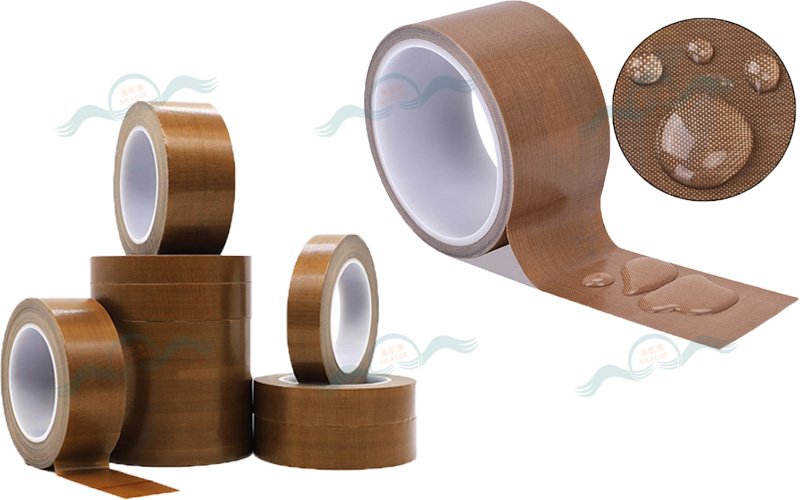
PTFE Teflon tape’s low-temperature performance is comparatively more outstanding, while its high-temperature performance is also excellent but has a defined upper limit. The following provides a detailed comparison and analysis.
Ⅰ. Core Temperature Range Data
| Performance Dimension | Temperature Range | Key Characteristics |
|---|---|---|
| Low-Temperature Resistance | Pure PTFE down to -260°C (approaching absolute zero); composite products commonly rated -70°C to -196°C | Remains flexible at low temperatures; no embrittlement; full functional integrity maintained |
| High-Temperature Resistance | Continuous use at 260°C; short-term tolerance 300°C–350°C | Slow gradual degradation above 260°C; significant decomposition above 350°C with release of harmful substances |
Ⅱ. Comparative Performance Analysis
Temperature Limit Differential: The low-temperature tolerance limit of PTFE (-260°C) extends far beyond the tolerance range of most materials — maintaining normal functionality even in deep cryogenic environments. While the high-temperature continuous operating limit (260°C) is impressive, the performance advantage over competing high-performance materials is comparatively smaller than the advantage seen at the low-temperature extreme.
Stability Performance:
- Low-Temperature Environment: PTFE molecular structure remains stable at extremely low temperatures; original flexibility and mechanical strength are preserved with no significant performance degradation
- High-Temperature Environment: Progressive weight loss and strength reduction above 260°C; decomposition begins above 350°C — high-temperature stability is demonstrably lower than low-temperature stability
Comparative Material Advantage: Compared to other sealing and bonding materials, PTFE’s low-temperature performance advantage is far more pronounced. Most elastomers — including nitrile rubber (NBR) and EPDM rubber — become brittle and fail below -45°C, while PTFE maintains full functionality at -200°C. This makes PTFE an indispensable material for deep cryogenic and aerospace applications.
Ⅲ. Conclusions & Application Guidance
Conclusion: The low-temperature performance of PTFE Teflon tape is overall superior to its high-temperature performance — particularly under extreme temperature conditions, where low-temperature stability is especially outstanding.
Application Selection:
- Deep Cryogenic Environments (e.g., liquid nitrogen and liquid oxygen related equipment): PTFE is the preferred material — its low-temperature adaptability is unmatched by any alternative
- High-Temperature Applications (e.g., above 200°C): Carefully manage operating duration; avoid prolonged over-temperature exposure to ensure safety and performance stability
- Specific product temperature ranges may vary depending on substrate, adhesive system, and manufacturing process — always consult the product datasheet before use