PTFE High-Temperature Fabric (Teflon High-Temperature Cloth)
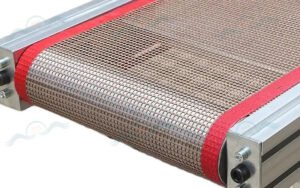
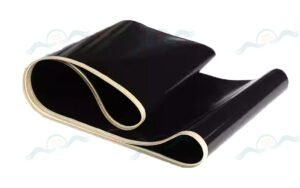
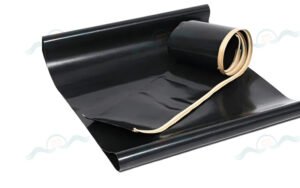
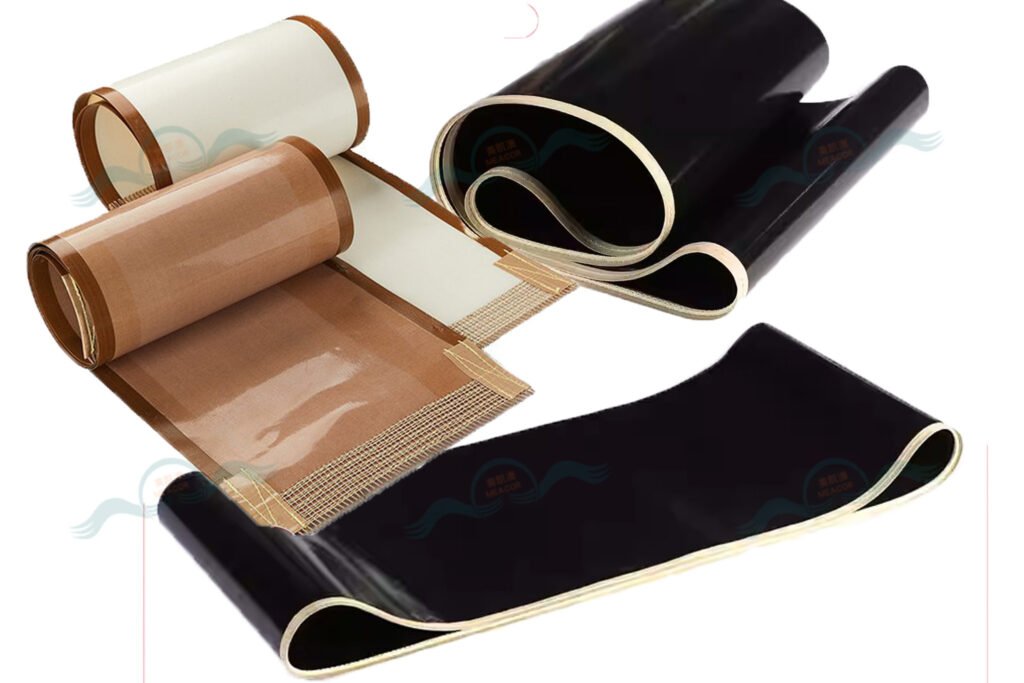
PTFE high-temperature fabric, also known as Teflon high-temperature cloth, is manufactured using imported polytetrafluoroethylene (PTFE) emulsion as the primary raw material, impregnated into high-performance fiberglass cloth. It is a high-performance, multifunctional next-generation composite material product.
Industry Development Trends
Trend 1: In the future, PTFE mesh belts will become increasingly robust, with corresponding improvements required in wear resistance, aging resistance, and anti-stick performance.
Trend 2: Through large-scale, standardized, and industrialized production using advanced machinery, PTFE mesh belt manufacturing will achieve higher production speeds, lower defect rates, reduced energy consumption, greater technical sophistication, and increased product added value.
Trend 3: Optimizing enterprise production structures, refining sales strategies, and expanding after-sales service and technical support teams will more effectively resolve issues encountered by customers during product use.
Although the production and sales of PTFE mesh belts have developed rapidly and already captured the majority of the light-duty conveyor mesh belt market, enterprises must adapt to emerging market trends and make proactive adjustments accordingly.
Key Performance Characteristics of PTFE High-Temperature Fabric
1. Extreme Temperature Resistance & Aging Resistance Suitable for continuous use across a temperature range of -196°C to 360°C, with excellent weatherability and aging resistance. In practical applications, when held at 250°C for 200 consecutive days, neither tensile strength nor weight is reduced. When exposed to 380°C for 120 hours, weight loss is only approximately 0.6%. At -180°C ultra-low temperatures, no cracking occurs and original flexibility is fully retained.
2. Chemical Corrosion Resistance Outstanding resistance to strong acids, strong alkalis, aqua regia, and a wide range of organic solvents.
3. Dimensional Stability & High Mechanical Strength Excellent dimensional stability with an elongation rate of less than 5‰, combined with high tensile strength and superior mechanical performance.
4. Flame Retardancy Inherently fire-resistant and flame-retardant.
5. Low Coefficient of Friction Friction coefficient of 0.05–0.1, making it the ideal choice for oil-free self-lubricating applications.
6. Light Transmittance Light transmittance of 6–13%; can also be produced in an opaque configuration.
7. Non-Stick Surface Virtually nothing adheres to the surface. Various oil stains, contaminants, and other deposits can be effortlessly cleaned from the surface. Nearly all adhesive substances — including pastes, resins, and paints — can be easily removed.
8. High Electrical Insulation & Anti-Static Performance Excellent insulating properties with a low dielectric constant of 2.6 and dissipation factor below 0.0025; UV-resistant and anti-static.
Applications
PTFE fiberglass-coated high-temperature fabric, owing to its outstanding performance properties, is widely used across numerous industries including aerospace, papermaking, food processing, environmental protection, textile printing & dyeing, garment manufacturing, chemical processing, glass production, pharmaceuticals, electronics, electrical insulation, construction (roofing membrane structure base fabric), grinding wheel slicing, and general machinery.
Specific applications include:
- Anti-corrosion coatings, liners, and gaskets for food heating equipment
- Non-stick conveyor belts
- High-frequency copper-clad laminate substrates
- Architectural membrane materials
- Electrical insulation materials
- Microwave drying conveyor belts
- Flexible expansion joints and compensators
- Friction materials, gaskets, and baking trays
- Microwave gaskets and microwave drying belts
- Anti-stick liners, gaskets, and protective covers for plastics and rubber processing
- Carpet tape applications
- Conveyor belts for drying medicinal materials, tea, food, and chemicals
- Anti-corrosion coatings, sealing tapes, and gaskets for petrochemical pipelines
- Electrical insulation for electronic and electrical equipment
- Temperature-resistant coatings
- Environmental desulfurization systems for power plant flue gas treatment
Summary of Product Characteristics
PTFE high-temperature fabric operates across a temperature range of -196°C to 300°C with full weatherability and aging resistance. After 200 days of continuous use at 250°C, neither strength nor weight is compromised. At 350°C for 120 hours, weight loss is only 0.6%. At -180°C, no cracking occurs and original flexibility is maintained.
Additional properties include:
- Non-stick surface — resists adhesion of pastes, resins, paints, and other substances; effortless surface cleaning
- Chemical resistance — withstands strong acids, strong alkalis, and organic solvents
- Low friction coefficient (0.05–0.1) — optimal for oil-free self-lubrication
- Light transmittance of 6–13%
- High electrical insulation — dielectric constant 2.6, dissipation factor below 0.0025; UV-resistant and anti-static
- Dimensional stability — elongation less than 5‰; high tensile strength and excellent mechanical performance
- Non-toxic and chemically inert