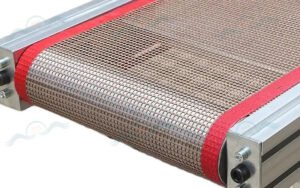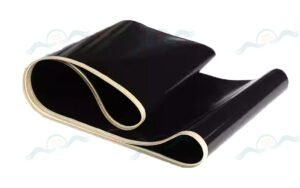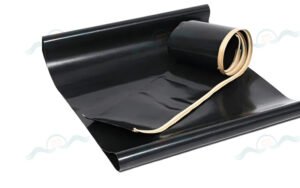
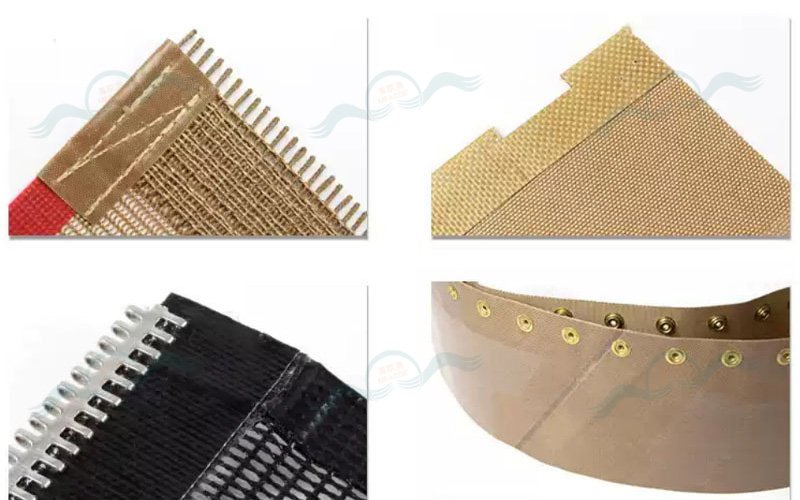
In modern industrial production, high-temperature resistant PTFE (Teflon) fabric is finding increasingly widespread application. Its outstanding high-temperature resistance and chemical stability allow it to maintain consistent performance across a variety of extreme operating environments. However, how to effectively bond PTFE high-temperature fabric — ensuring it does not detach or sustain damage during use — has become a critical challenge that demands practical solutions. This article provides a comprehensive summary of the most common bonding methods for high-temperature resistant PTFE fabric, enabling readers to better understand and select the most appropriate method for their specific application.
Ⅰ. Hot Press Bonding Method
Hot press bonding is one of the most widely used methods for joining PTFE high-temperature fabric. It utilizes the combined action of elevated temperature and high pressure to form a strong bond between the PTFE fabric and the substrate material. This method typically requires a dedicated hydraulic or pneumatic heat press machine. The PTFE fabric is placed between two metal platens, and the temperature and pressure parameters of the press are adjusted to meet the required bonding conditions. During the hot pressing process, a partial melt layer forms at the interface between the PTFE fabric and the metal platens, achieving a firm and durable bond.
The primary advantage of hot press bonding is its high bond strength, ensuring that the PTFE fabric remains securely attached even in high-temperature operating environments. However, this method requires specialized equipment, involves relatively higher costs, and may not be well-suited for small-scale or thin-profile applications.
Ⅱ. Adhesive Bonding Method
Adhesive bonding is another commonly used method for joining PTFE high-temperature fabric. It employs specialized high-temperature adhesive to connect the PTFE fabric to the substrate material. The process is relatively straightforward and does not require complex equipment. The adhesive is applied evenly to the mating surfaces of both the PTFE fabric and the substrate, and the two surfaces are then pressed firmly together. The bonded joint is subsequently subjected to pressure under elevated temperature conditions to cure the adhesive and achieve a secure, durable bond.
The key advantages of adhesive bonding are its operational simplicity and low cost, making it suitable for PTFE fabric bonding across a wide range of shapes and dimensions. It is important to note, however, that the quality and performance of the adhesive significantly affect the bonding outcome. When selecting an adhesive, ensure it possesses excellent high-temperature resistance and chemical stability to guarantee the strength and longevity of the bond.
Ⅲ. Iron Heat-Sealing Method
The iron heat-sealing method is a simple and convenient bonding technique well-suited for small-scale and thin-profile PTFE high-temperature fabric applications. This method harnesses the high-temperature output of a industrial iron to create a melt layer at the interface between the PTFE fabric and the substrate, thereby achieving bonding. First, align the PTFE fabric and substrate in the required position, then place a flat, heat-resistant, non-thermally-conductive backing board beneath the joint area. Next, use an iron preheated to the appropriate temperature and apply it in back-and-forth strokes over the joint area to form a melt layer between the PTFE fabric and the substrate. Finally, apply pressure to the heat-sealed joint to ensure bond integrity and strength.
The iron heat-sealing method offers the advantages of simple operation and low cost, and is well-suited for a variety of small-scale and thin-profile applications. Care must be taken to maintain precise control over the iron’s temperature and applied pressure to avoid damaging the PTFE fabric or compromising its performance properties.
Ⅳ. Other Bonding & Repair Methods
In addition to the common bonding methods described above, several other techniques can be employed for PTFE high-temperature fabric joining and repair. For example, localized rubber vulcanization can be used for spot repair of minor localized damage to PTFE fabric; rubber repair compound overlay patching is applicable for repairing larger areas of surface damage. While these methods are less commonly used, they may offer practical value in certain specialized circumstances.
In summary, the bonding methods available for high-temperature resistant PTFE fabric are diverse, each with its own distinct characteristics and applicable scope. When selecting a bonding method, a comprehensive assessment should be conducted based on the actual application scenario, budget constraints, and performance requirements. Regardless of the method chosen, it is essential to ensure standardized operation procedures and reliable material quality to guarantee the strength and durability of the bond.