Seamless vs. Spliced PTFE Teflon Conveyor Belts for Fusing Machines — Key Differences
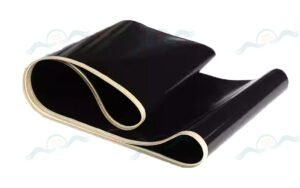
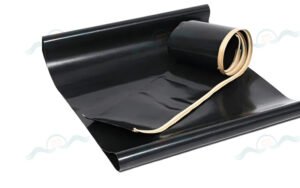
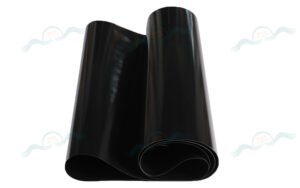
Seamless PTFE Belt
Seamless belts are manufactured using fiberglass yarn or Kevlar (aramid fiber) as the base fabric, woven into a tubular structure using circular weaving equipment, then coated with PTFE (Teflon) resin and cured through a high-temperature drying process. The result is a high-temperature resistant conveyor belt primarily used on garment fusing/bonding machines — representing one of the most advanced variants of seamless PTFE conveyor belts available.
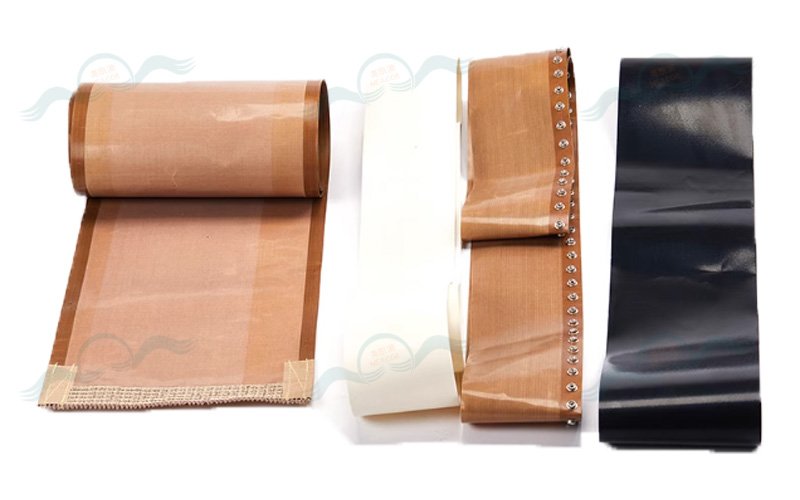
Spliced Fusing Machine Belt
Spliced fusing machine belts are self-woven and self-coated from base substrate materials, delivering a bright, smooth surface finish. However, due to the inherent limitations of splice joints, these belts frequently suffer from uneven circumference at connection points, leading to poor tracking stability, belt misalignment, and joint breakage during operation.
Seamless belts completely overcome this series of problems. Furthermore, their operational service life is more than 3 times longer than that of spliced belts produced using any joining method, significantly reducing replacement frequency and labor input. Although the initial procurement cost of seamless belts is noticeably higher than spliced belts, when evaluated over the full service cycle, the total cost of ownership of seamless belts is substantially lower than that of spliced alternatives.
Performance Advantages of Seamless PTFE Belts
Because seamless belts incorporate a PTFE coating, they inherit the full suite of PTFE material properties — including high-temperature resistance, non-stick performance, and flex fatigue resistance. They are exceptionally durable, with a fine, smooth surface finish that resists adhesion and contamination throughout their service life.
Key Dimensional Constraints
Despite their many advantages, seamless belts are subject to one important limitation: maximum belt length is restricted to 6 meters. The commonly referenced size designations for seamless belts — such as 450, 500, 600, 1200, and 1500 — refer to the belt width in millimeters, not the belt length. Spliced fusing machine belts, by contrast, can be manufactured to any required length without restriction.