What Is the Condition of PTFE Teflon Tape When Used in Low-Temperature Environments?
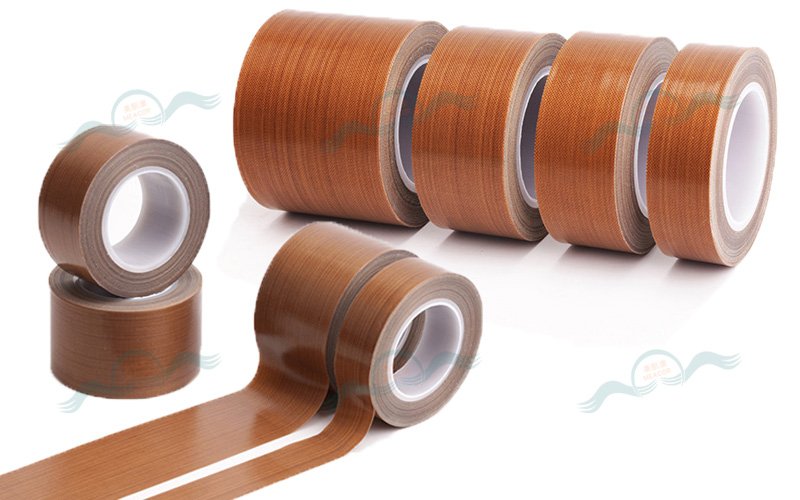
PTFE Teflon tape maintains good flexibility even at ultra-low temperatures of -180°C to -196°C — with virtually no embrittlement or cracking, and stable core substrate performance. However, the adhesive layer experiences a reduction in tack as temperature decreases, with certain grades showing noticeably weakened adhesion below -70°C.
Ⅰ. Core Substrate Condition
Low-Temperature Tolerance Limit:
Mainstream PTFE tape withstands -196°C (liquid nitrogen temperature); certain high-performance grades maintain mechanical strength and toughness even at -268°C (approaching absolute zero)
Physical State:
- Remains soft and flexible; conforms closely to irregular surfaces
- Elongation remains stable — maintains approximately 5% elongation even at ultra-low temperatures; resistant to fracture
- Self-lubricating properties and surface smoothness are unaffected by low temperatures
Performance Change:
Friction coefficient increases slightly at low temperatures but remains at an extremely low level (approximately 0.04–0.10) — no adverse impact on functional performance
Ⅱ. Adhesive Layer Condition (Key Influencing Factor)
PTFE tape is typically coated with silicone pressure-sensitive adhesive. Its low-temperature behavior determines the overall suitability of the tape:
| Temperature Range | Adhesive Condition | Practical Impact |
|---|---|---|
| 0°C to -70°C | Tack slightly reduced; normal bonding still achievable | Suitable for standard low-temperature applications; adhesion strength slightly reduced |
| -70°C to -180°C | Tack significantly weakened; pressure-sensitive properties largely lost | Pre-warm bonding surface to ambient temperature, or use mechanical fixation as supplementary support |
| Below -180°C | Adhesion virtually lost; adhesive is in a solid non-tacky state | Suitable for non-adhesive applications only (thermal insulation, electrical insulation protection); fixation must rely on the substrate itself |
Ⅲ. Differences Between Product Types
- Standard Grade: Long-term operating range -70°C to 260°C; prone to tack loss at ultra-low temperatures
- Ultra-Low-Temperature Specialist Grade: Uses modified adhesive formulation; maintains a degree of tack below -180°C; suitable for deep cryogenic equipment and low-temperature laboratory applications
- Pure PTFE Film (Adhesive-Free): No adhesive layer; performance remains stable at -196°C and below; suitable as thermal insulation and anti-stick material in cryogenic environments
Ⅳ. Usage Recommendations
Standard Low-Temperature (≥ -70°C):
Select standard-grade PTFE tape; clean surfaces thoroughly before bonding; ensure surfaces are free of oil, grease, and moisture
Deep Cryogenic Environment (-70°C to -180°C):
- Prioritize ultra-low-temperature specialist grade tape
- Moderately warm bonding surfaces to ambient temperature before application to enhance adhesion
- Add mechanical fixation at critical locations to prevent tape detachment
Ultra-Deep Cryogenic (≤ -180°C):
- Use adhesive-free pure PTFE film; secure with clamps, tie straps, or equivalent mechanical fastening
- Avoid frequent bending or stretching to prevent micro-crack formation in the substrate
Ⅴ. Summary
The PTFE substrate is the core guarantor of low-temperature stability in PTFE tape — maintaining flexibility and strength at -196°C ultra-low temperatures. The adhesive layer is the primary limiting factor for low-temperature use; product selection must match the actual temperature range. For deep cryogenic applications, priority should be given to ultra-low-temperature specialist grades or adhesive-free mechanical fixation solutions to ensure reliable performance.