How Is the Corrosion Resistance of PTFE High-Temperature Fabric?
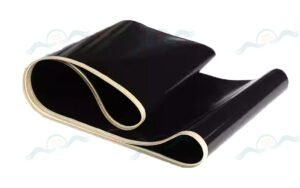
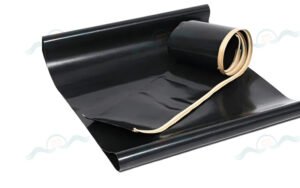
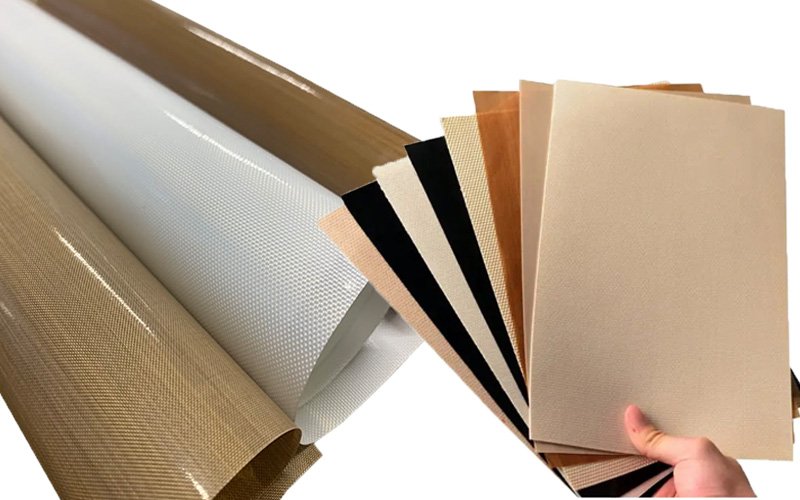
PTFE high-temperature fabric (PTFE-coated fiberglass cloth) demonstrates exceptional corrosion resistance based on the chemical inertness of polytetrafluoroethylene (PTFE). It withstands attack from the vast majority of strong acids, strong alkalis, organic solvents, and strong oxidizing agents — earning it the designation of “chemical corrosion terminator.”
Ⅰ. Core Corrosion Resistance Performance
- Strong Acid Resistance: Withstands sulfuric acid, nitric acid, hydrochloric acid, hydrofluoric acid, aqua regia, fuming sulfuric acid, and other highly corrosive acids — performance and weight remain essentially unchanged even after prolonged exposure or boiling
- Strong Alkali Resistance: Exhibits extremely strong resistance to sodium hydroxide, potassium hydroxide, and other strong alkali solutions — suitable for extreme acid/alkali environments across pH 0–14
- Solvent Resistance: Virtually insoluble in all organic solvents, including ketones, ethers, esters, alcohols, and aromatic hydrocarbons; also resists attack from oils, resins, and coatings
- Oxidation Resistance: Withstands corrosion from strong oxidizing agents (e.g., potassium permanganate, potassium dichromate); oxidation induction time (OIT) typically exceeds 30 minutes
- Temperature Adaptability: Maintains stable corrosion resistance across -196°C to 260°C (short-term 300°C); thermal weight loss rate under high-temperature conditions is less than 0.5%/year
Ⅱ. Primary Application Scenarios
- Chemical Industry: Reactor linings, pipeline anti-corrosion wrapping, storage tank liners, desulfurization tower inner walls
- Electroplating Industry: Anti-corrosion covering materials for electroplating tanks
- Pharmaceutical Industry: Corrosion-resistant components for pharmaceutical formulation production equipment
- Environmental Protection Industry: Anti-corrosion linings for waste gas treatment equipment and wastewater treatment facilities
Ⅲ. Limitations (Substances PTFE Cannot Resist)
The corrosion resistance of PTFE high-temperature fabric is not absolute. It is sensitive to the following substances:
- Molten Alkali Metals: Sodium, potassium, and similar metals in molten state will destroy the PTFE molecular structure
- Strong Fluorinating Agents: Elemental fluorine (F₂), chlorine trifluoride (ClF₃), oxygen difluoride (OF₂), and similar agents can attack PTFE at high temperatures (near 260°C) or under turbulent flow conditions
- High-Temperature Limit: Above 400°C, PTFE begins to decompose, releasing toxic fluorocarbon gases — at this point, corrosion resistance is completely lost
Ⅳ. Corrosion Resistance Mechanism
PTFE high-temperature fabric uses high-performance fiberglass cloth as the substrate, coated with PTFE resin — combining:
- The mechanical strength and structural stability of fiberglass
- The chemical inertness and low surface energy properties of PTFE
The overall dense structure forms a continuous anti-corrosion barrier, preventing corrosive media from penetrating into the substrate.
Ⅴ. Summary
PTFE high-temperature fabric is the ideal material for extreme corrosive environments, delivering outstanding performance across the vast majority of industrial applications. Safe use is ensured by simply avoiding molten alkali metals, strong fluorinating agents, and ultra-high temperatures (> 400°C).