What Are the Specific Manifestations of the Chemical Corrosion Resistance of PTFE High-Temperature Tape?
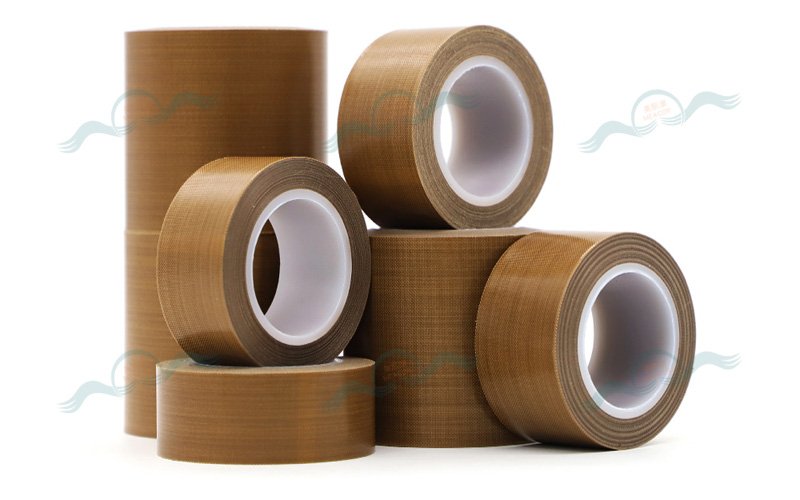
The chemical corrosion resistance of PTFE high-temperature tape (also known as Teflon / PTFE high-temp tape) originates from the molecular structure of its PTFE substrate — the carbon chain is completely encased by fluorine atoms forming a “molecular armor,” with C-F bond energy as high as 485 kJ/mol, delivering exceptional chemical stability.
Ⅰ. Resistance to Various Chemical Media
1. Inorganic Acids (Full Concentration Range; Wide Temperature Range)
| Acid Type | Resistance Capability | Typical Performance |
|---|---|---|
| Strong Acids (sulfuric, hydrochloric, nitric) | 98% concentrated H₂SO₄, 37% concentrated HCl, 70% concentrated HNO₃ | No swelling, no decomposition, zero mass loss even after prolonged boiling |
| Mixed Strong Acids (aqua regia) | Any mixing ratio | No penetration or corrosion after months of immersion |
| Oxidizing Acids (fuming sulfuric acid, perchloric acid) | Fuming sulfuric acid with free SO₃ ≥ 30% | Stable below 150°C; no reaction occurs |
| Hydrofluoric Acid | All concentrations | Completely inert; does not react with fluoride ions |
2. Strong Alkalis (Specific Limitations at Elevated Temperatures)
- Withstands NaOH at concentrations above 50% at ambient temperature — no corrosion
- Resistant to 50% NaOH at temperatures ≤ 230°C
- Limitation: NaOH above 300°C will attack and degrade PTFE
3. Organic Solvents (Near-Universal Resistance)
Saturated/unsaturated hydrocarbons, aromatic hydrocarbons, halogenated hydrocarbons, alcohols, ethers, ketones, esters, amines — virtually no reaction with any solvent class
4. Other Special Chemical Substances
Strong oxidizing agents, strong reducing agents, salt solutions, organic/inorganic contaminants — all resisted with no surface contamination
Ⅱ. Core Manifestation Characteristics of Chemical Inertness
Zero reactivity, penetration resistance, thermochemical stability (-196°C to 260°C), mass stability, and low extractability — suitable for cleanroom applications in food and pharmaceutical industries
Ⅲ. Limitations (Only Three Specific Substances Can Attack PTFE)
Molten alkali metals, strong fluorinating agents, and NaOH above 300°C
Ⅳ. Practical Application Value
Chemical anti-corrosion, electronics industry, food processing, pharmaceutical industry, and rubber/plastics industry
Ⅴ. Important Notes
The chemical resistance is primarily derived from the PTFE substrate; the adhesive layer (typically silicone) may exhibit lower resistance — compatibility testing is recommended for extreme combined high-temperature/chemical environments.