What Are the Storage Conditions for PTFE Teflon Tape?
The core storage requirements for PTFE tape are: cool, dry, and light-protected location; optimal temperature of 16–27°C (60–80°F) or 20–25°C; humidity of 40–60% RH; stored in roll form without folding; kept away from chemicals and heat sources; original packaging sealed; and first-in-first-out (FIFO) usage. The following provides a complete and systematic breakdown of storage conditions and precautions.
Ⅰ. Environmental Temperature & Humidity Control
| Parameter | Recommended Range | Optimal Condition | Notes |
|---|---|---|---|
| Temperature | -15°C to 40°C (safe range) | 16°C–27°C (60°F–80°F) or 20°C–25°C | Avoid temperatures above 40°C to prevent adhesive softening and substrate aging |
| Relative Humidity | 30% RH–70% RH | 40% RH–60% RH | Excessively high humidity reduces tack; excessively low humidity increases static buildup, causing roll delamination |
Ⅱ. Physical Environment Requirements
- Light-Protected Storage: Must be stored indoors, away from direct sunlight — UV exposure damages the fluorine atom structure and degrades performance
- Moisture & Rain Protection: Keep away from damp areas; protect from rainwater exposure; maintain a dry environment
- Distance from Heat Sources: Maintain at least 1 meter clearance from any heat-generating equipment to prevent localized high-temperature damage
- Clean Environment: Prevent dust and contaminant exposure to the tape surface, which would compromise tack and performance
- Fire & Explosion Prevention: Keep away from ignition sources; warehouse must be equipped with appropriate fire safety equipment
Ⅲ. Storage Method & Packaging Standards
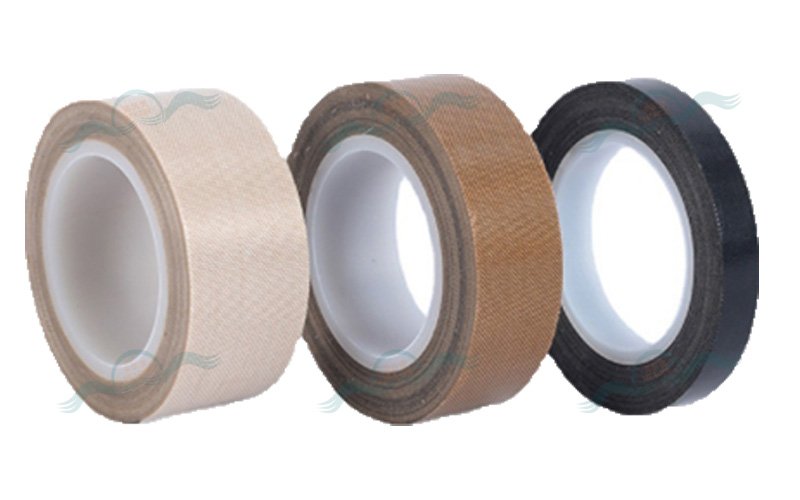
- Roll Storage: Folding is strictly prohibited — must be stored in roll form to prevent crease marks that affect flatness and strength
- Periodic Rotation: For storage exceeding 3 months, rotate quarterly to prevent deformation from prolonged compression
- Original Packaging Protection: Unopened products should remain in factory-sealed packaging to prevent exposure to external environmental conditions
- Categorized Storage: Store by specification and type in clearly labeled zones (including product name, batch number, and date received)
- Avoid Heavy Loading: Never stack heavy items on top of tape — prevents separation between substrate and adhesive layer
- First-In-First-Out (FIFO): Use in order of receipt date to ensure products are used within their optimal validity period
Ⅳ. Chemical Isolation Requirements
Strictly avoid contact with the following substances to prevent chemical corrosion or performance degradation:
- Acids and alkalis (corrosive substances)
- All types of oils and greases
- Organic solvents (e.g., alcohol, acetone, toluene)
- Other chemical substances that may compromise the adhesive or PTFE substrate quality
Ⅴ. Shelf Life & Usage Recommendations
| Product Type | Recommended Usage Period | Notes |
|---|---|---|
| Standard PTFE Tape | Within 12 months of manufacture | Under proper storage conditions |
| Branded PTFE Tape (e.g., 3M) | Within 18 months of manufacture | Optimal performance period |
| Special-Purpose Tape (certain types) | Within 6 months of manufacture | High-performance application requirements |
| PTFE Sealing Tape | Within 5 years of manufacture | Specific product types |
Ⅵ. Additional Precautions
- Handle with care during transport — avoid rough handling that could loosen rolls or damage edges
- After opening, re-seal any unused tape to minimize air exposure time
- Avoid contact with sharp objects to prevent surface scratching
- Storage areas should be well-ventilated with good air circulation
Following the above storage conditions effectively protects the tack, temperature resistance, chemical resistance, and other key performance characteristics of PTFE tape, ensuring optimal performance during use. Different brands may have minor variations — always consult the specific storage requirements provided in the product datasheet.