What Are the Consequences of PTFE Conveyor Belt Tracking Deviation?
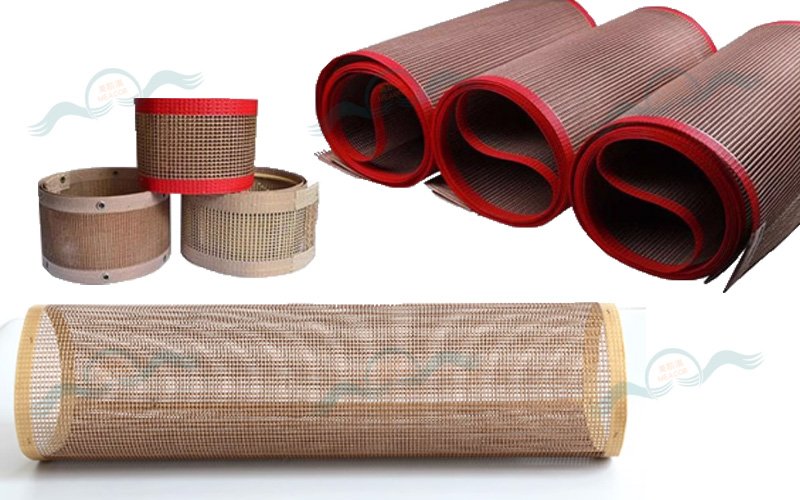
PTFE conveyor belt tracking deviation primarily causes five categories of consequences: belt damage, conveying failure, equipment wear, product defects, and safety hazards.
1. Risk of Direct Belt Scrapping
Once tracking deviation occurs, the belt edges continuously scrape against the machine frame and side guards — the PTFE surface layer rapidly wears, frays, and cracks, with base fabric delamination and edge tearing potentially occurring, directly shortening service life.
2. Material Conveying Failure
Materials shift, spill, and accumulate along with the belt deviation — in minor cases reducing conveying efficiency, in serious cases causing material jamming and machine blockage, directly interrupting the production line.
3. Accelerated Damage to Associated Equipment
Tracking deviation causes uneven load distribution on rollers and idlers, leading to abnormal bearing wear and overheating. Drive motor load increases sharply, prone to overload tripping, substantially reducing overall equipment service life.
4. Product Quality Degradation
In precision processes such as drying, laminating, photovoltaic manufacturing, and packaging, tracking deviation causes material misalignment — directly generating substandard and reject products.
5. Safety Hazards
Severe tracking deviation may cause the conveyor belt to detach and whip, striking equipment components and potentially creating personnel safety risks. In high-temperature operating conditions, localized overheating is further intensified.