Concrete Application Scenarios of PTFE Anti-Stick Fabric Tapes in the Food Processing Industry
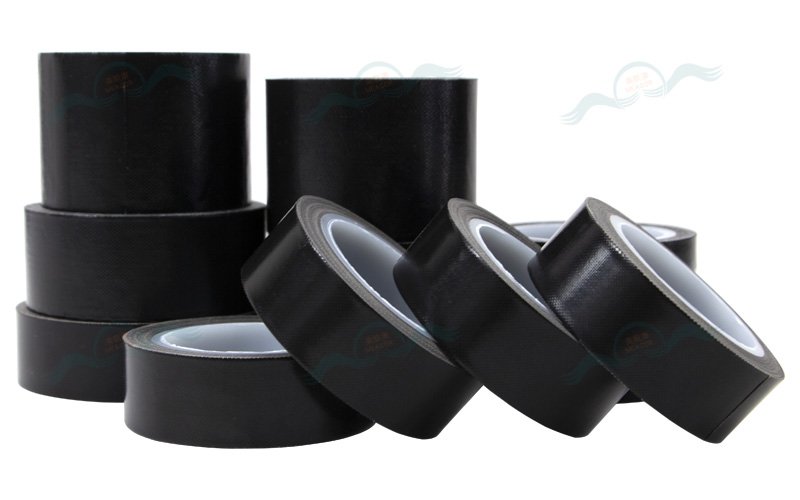
PTFE (Teflon) anti-stick fabric tapes—provided they are food-grade certified to compliant benchmarks such as FDA standards—are heavily relied upon in food processing due to their high thermal thresholds, elite release properties, chemical inertness, and non-migratory safety profiles. These specialized profiles focus precisely on non-stick mold release, hardware preservation, and operational yield optimization. Concrete application scenarios include:
I. Non-Stick Layering and Conveying in the Baking Industry
This represents the most widespread application segment:
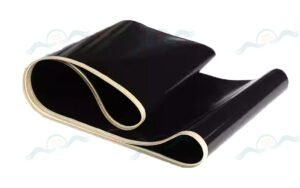
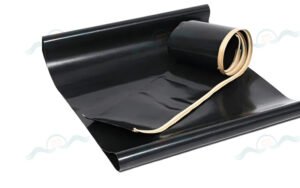
- Convection Oven Conveyor Protection: Applied to conveyor lines baking biscuits, bread, and pastries. Lining the belts with PTFE anti-stick fabric tape prevents raw dough and batter from adhering to the drive line, which eliminates batch waste while maintaining a flawless outer crust finish.
- Bakeware, Rack, and Mold Overlays: Installed directly onto non-pre-treated baking sheets, racks, and molds. This creates a persistent non-stick barrier that replaces traditional fat-greasing or oil-spraying protocols, cutting grease usage and simplifying line sanitization to a basic wipe-down.
II. Mold Release Optimization in Confectionery and Chocolate Manufacturing
During confectionery and chocolate thermoforming cycles, internal mold faces are highly susceptible to product adhesion, resulting in demolding failure and fractured shapes. Applying food-grade PTFE anti-stick fabric tape inside molds or forming slots triggers instant, seamless release. This guarantees shape conformity, protects sensitive product profiles, and shields molds from abrasive wear during manual cleaning cycles.
III. Component Shielding on Heat Sealing and Packaging Machinery
In food packaging lines, the heated bars and cutting blades of impulse sealers tend to accumulate melted packaging films or food residues under extreme heat. This causes un-sealed margins or torn films. Wrapping these sealing jaws with PTFE fabric tape eliminates hot-polymer adhesion, improving seal integrity and maximizing packaging lines’ throughput. Additionally, lining case sealers and drive rollers prevents stray adhesives, food labels, or product debris from accumulation.
IV. Surface Armor for Frying and Grilling Configurations
The inner linings, oil guide channels, and griddle faces of commercial fryers and grilling machines run continuously within high-temperature fat environments, making them prone to carbonized grease scaling. PTFE fabric tapes withstand continuous working heats up to 260°C (with premium grades reaching 300°C). Lining these structures prevents direct contact with scorched fats, supressing carbonization and extending machine maintenance intervals.
V. Dough Formatting and Cryogenic Conveying in Pastry and Quick-Frozen Food Lines
Along forming lines for dumplings, buns, and traditional pastries, as well as sorting tracks for quick-frozen foods, applying PTFE fabric tape reduces surface coefficient of friction. This prevents the moist dough skins from tearing and stops cryogenic frost or ice buildup from adhering to conveyor guide rails, guaranteeing a smooth automated feed.
Critical Operating Guidelines:
- Standard compliance requires the strict usage of certified food-contact grade PTFE tapes holding verified FDA or LFGB documentation to eliminate any hazard of chemical migration into the food chain.
- Ensure hardware faces are fully degreased, dry, and clean before applying the tape. Achieve a flush, bubble-free lamination with no edge lifting to ensure maximum anti-stick lifespans.