Application Scenarios and Technical Deployments of PTFE (Teflon) High-Temperature Fabrics
PTFE high-temperature fabric (commonly known as Teflon fabric or PTFE coated fiberglass) delivers an exceptional operational profile: continuous thermal stability (-196°C to +260°C), ultra-low surface energy for non-stick release, chemical inertness, high abrasion resistance, and robust dielectric strength. Its target deployments span six primary sectors:
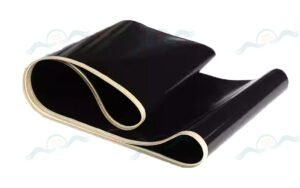
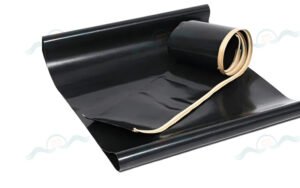
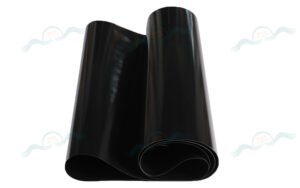
I. High-Temperature Conveying and Drive Belting
This serves as the core industrial track, combining thermal capacity, slick release, and wear durability:
- Textiles, Printing & Dyeing: Conveyor belts for stenter drying frames (150°C–220°C) and rotary/digital printing guide lines resistant to ink buildup and tracking distortion.
- Plastics & Rubber Processing: Transport belts for PP/PE/PVC blown film cooling, continuous sheet lamination, and rubber tire/gasket vulcanization lines (200°C–250°C).
- New Energy & Solar PV: Battery electrode drying belts (120°C–180°C) resistant to electrolyte corrosion and slurry sticking; solar module laminator release sheets ensuring smooth EVA encapsulation (150°C–180°C).
- Industrial Drying & Aging: Aging belts for electronic passive components (capacitors, LEDs) and heat-curing transport sheets for glass fiber mats.
II. Food Processing and Food Contact Surfaces
Formulated to satisfy global food safety standards (FDA, LFGB, GB 4806.10), presenting a non-toxic, odorless, and easily sanitized face:
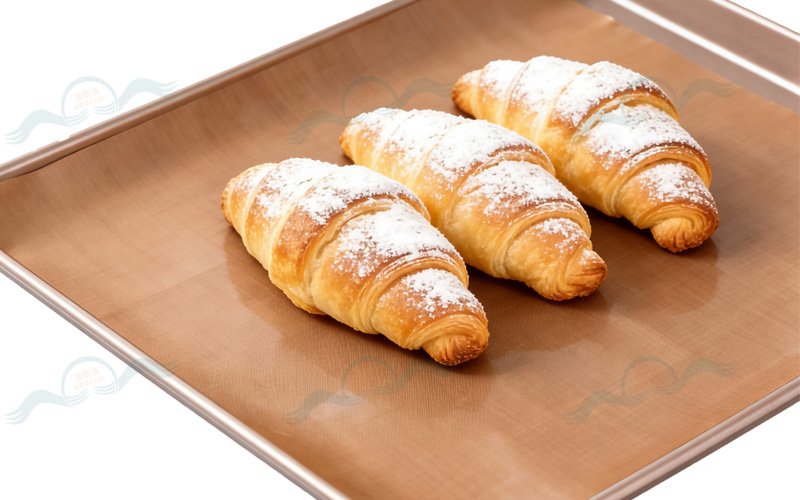
- Industrial Baking & Roasting: Reusable liner sheets and mesh grids for cookies, bread, pizza, and pastry ovens (-40°C to +260°C); protective oven cavity liners.
- Food Handling Belts: Conveyor belting for high-sugar confectionery, chocolate enrobing, and cryogenic frozen food tunnels (-196°C to -40°C) preventing ice or sticky product adhesion.
- Microwave Heating Accessories: Microwave liner pads preventing grease splatters without absorbing microwave energy.
III. Mold Release and Lamination Interlayers
Serving as a slick barrier between tool molds and reactive resin workpieces to bypass sticking:
- Composite Materials Molding: Release fabric for fiberglass (FRP) and carbon fiber laminates (wind turbine blades, aerospace/automotive panels), ensuring smooth surface finishes without post-sanding.
- Hot-Melt & Adhesive Machinery: Protective wraps for hot-melt roller coaters (120°C–180°C) and pressing release sheets for plywood/laminated timber production.
- Concrete & Specialty Casting: High-heat curing barriers for precast concrete panels, architectural tunnel liners, and candle/soap molds.
IV. Chemical Processing, Corrosion Control, and Filtration
Engineered for harsh environments exposed to aggressive acids, alkalis, and organic solvents:
- Chemical Containment: Anti-corrosive liners for chemical reactors, acid storage tanks, piping networks, and protective laboratory benchtop liners.
- Flue Gas & Liquid Filtration: High-temperature filter bags for boiler and incinerator flue gas filtration (200°C+); membrane liners for filtering aggressive electroplating baths and chemical effluents.
V. Electrical Insulation and Cable Shielding
Leverages high dielectric breakdown voltage, flame retardancy, and thermal aging resistance:
- Electrical Motor Isolation: Slot liners, transformer coil wrapping, and high-voltage wire/cable jackets for furnace control lines.
- PCB Assembly Protection: Wave-soldering and reflow-soldering mask covers (200°C–250°C) preventing solder splash on non-solder areas; thermal dissipation pads for LED modules.
VI. High-Heat Sealing, Gasketing, and Safety Covers
- Valve & Flange Gaskets: Replaces asbestos gaskets on steam lines and high-temperature chemical flanges up to 260°C.
- Fire Containment & Protective Gear: Thermal safety curtains, fire blankets, and radiant heat-resistant lining for firefighting and metallurgical protective suits.
- Medical Equipment Sterilization: Non-stick, autoclavable liner pads for medical instrument trays subjected to high-pressure steam sterilization (134°C).
Selection Guidelines:
- Food Contact Track: Must select FDA-certified lines.
- Heavy-Duty Conveying: Select heavyweight glass cloth base + extra-thick PTFE coat for superior abrasion durability.
- Chemical Defense: Choose pure PTFE membrane + tight weave to stop acid/solvent permeation.
- Electrical Isolation: Verify dielectric breakdown strength (typically ≥10 kV).