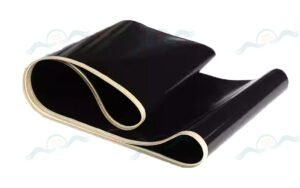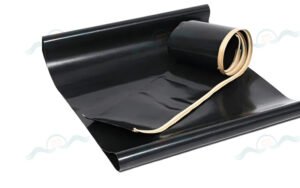
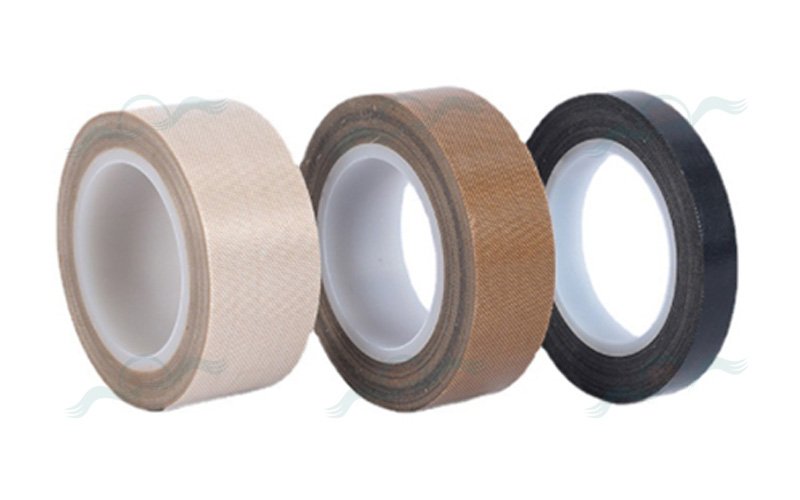
Silicone-coated PTFE (polytetrafluoroethylene) tape is an engineered industrial composite comprising three distinct functional layers: a baseline substrate, a fluoropolymer coating, and a pressure-sensitive adhesive. The substrate consists of woven fiberglass fabric, providing high mechanical tensile strength and dimensional stability under stress. The top surface is coated with PTFE, a low-surface-energy polymer that imparts essential non-stick release characteristics and robust chemical corrosion resistance. In specialized configurations (such as Jiangxi silicone-coated PTFE tape), a high-performance silicone adhesive layer is applied to the opposite side to govern bonding behavior across target operational surfaces.
Performance Comparison and Adhesive Dynamics:
Compared to conventional PTFE or polyimide (Kapton) tapes utilizing acrylic pressure-sensitive adhesives, the introduction of silicone adhesives creates a distinct operational spectrum:
- Thermal Operating Window: Acrylic adhesives feature narrower temperature limits. Silicone pressure-sensitive adhesives maintain flexibility at cryogenic temperatures and resist embrittlement or thermal degradation under elevated heat.
- Substrate Wetting and Initial Tack: Silicone formulations display superior surface wetting and initial adhesion across varied materials, including difficult-to-bond low-surface-energy plastics, whereas acrylic adhesives may suffer from reduced grip on smooth, unreactive surfaces.
Target Industrial Applications:
- Heat Sealing Machinery: Heat-sealing jaws require continuous thermal cycling and immediate clean release. The high-heat silicone layer securely anchors the tape to sealing bars, while the PTFE face prevents packaging film adhesion, effectively balancing permanent equipment mounting with non-stick film release.
- Wire & Cable Manufacturing: Cable runs moving through high-temperature curing ovens utilize the tape for temporary bundling and color-coded identification. The composite structure withstands oven temperatures while enabling clean, residue-free removal upon cooling.
Engineering Limitations and Trade-offs:
- Mechanical Shear & Creep: While silicone offers exceptional broad-temperature stability, its shear strength and long-term resistance to mechanical creep are generally lower than specialized high-performance acrylics under sustained load.
- Chemical Exposure: Silicone adhesives exhibit specific solvent sensitivities, though the primary PTFE coating acts as the main chemical barrier.
- Cost Considerations: Multi-layer lamination processes incur higher production costs compared to single-coated or acrylic-backed PTFE tapes.
- Selection Logic: Deployment of silicone-coated PTFE tape represents a balance between broad-temperature adhesion and non-stick performance, serving specific operational parameters rather than functioning as a universal solution.