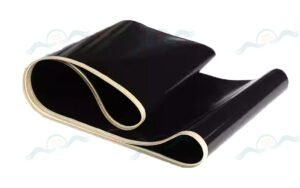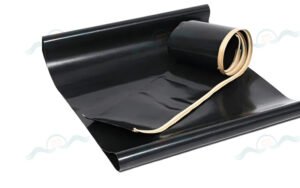
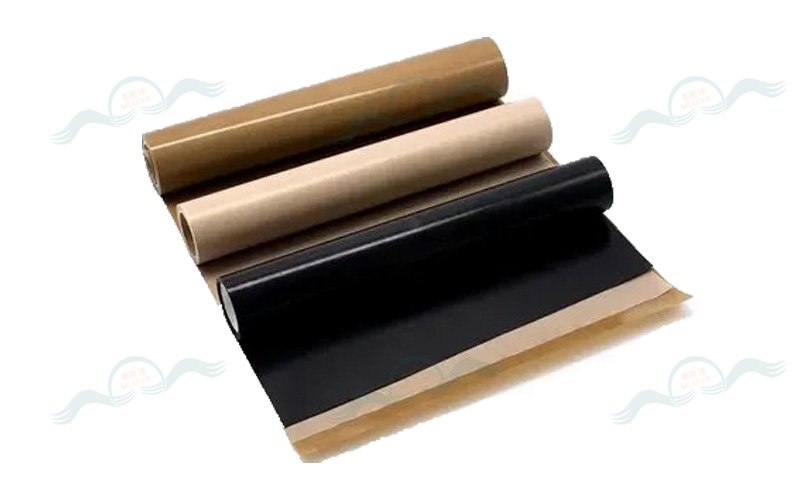
Post-baking phenomena such as adhesive residue and edge bleeding often occur when PTFE high-temperature fabrics or tapes undergo continuous thermal processing. Minute adhesive deposits, identifiable by tactile inspection or close visual evaluation, can severely impair manufacturing yield and downstream product quality.
I. Root Causes of Adhesive Residue and Overflow
- Thermal Threshold Mismatch: Industrial processes generally demand continuous thermal resistance within 210°C to 260°C. If the tape’s actual thermal limit falls below operational requirements, the pressure-sensitive adhesive mass degrades, leading to residue contamination.
- Production Line Thermal Spikes: Over-temperature conditions exceeding specified process limits accelerate adhesive decomposition. Temperature sensors and thermal couplers must be inspected regularly to prevent local hot spots.
- Curing Deficiencies in Coating Production: Substandard cross-linking during factory tape manufacturing—caused by insufficient thermal curing duration, inadequate oven temperatures, or excessively fast line speeds—prevents complete chemical bonding among the adhesive mass, primer layer, and PTFE substrate.
- Premature Rewinding and Slitting: Following adhesive application on coating machines, semi-finished master logs require a 2-to-3-day aging and curing rest period. This allows the pressure-sensitive adhesive to cure fully under ambient conditions. Slitting or rewinding prior to full cure causes adhesive anchorage failure and subsequent residue deposition.
II. Quality Control Protocols and Mitigation Strategies
- Incoming Quality Control (IQC) & Thermal Screening: Implement ozone exposure tests and thermal preliminary screening before full line integration to verify batch compliance with company standards.
- In-Line Anomaly Isolation and Root Cause Analysis: Immediately quarantine affected workpieces showing residue defects and log batch defect percentages. Inspect operational parameters (line speed, oven temperature, sensor accuracy) and tape lot quality to pinpoint failure origins.
- Master Log Aging Enforcement: Ensure strict adherence to post-coating curing timelines (48–72 hours rest) to guarantee complete chemical cross-linking between the primer and the substrate before slitting.