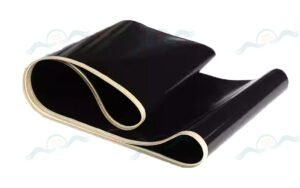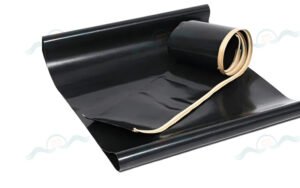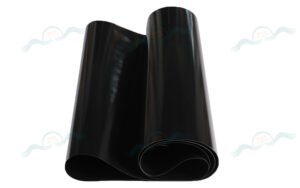
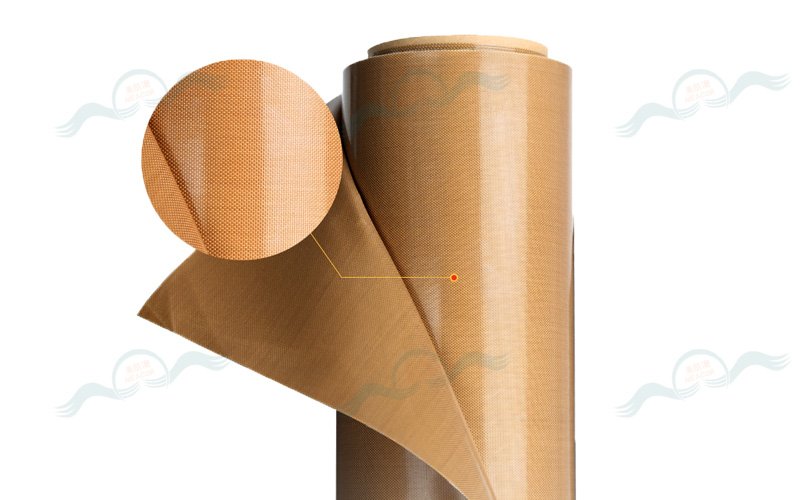
As industrial automation advances, maximizing throughput, minimizing maintenance overhead, and ensuring operational reliability are critical manufacturing goals. PTFE (polytetrafluoroethylene or Teflon) conveyor belts serve as indispensable, high-performance continuous transfer carriers within automated production lines.
I. Key Operational Advantages in Automated Systems
- High-Temperature Thermal Stability: Continuous thermal exposure up to 260°C allows PTFE belts to operate reliably through industrial baking ovens, thermal pressing, and heat-curing tunnels without deformation or physical failure.
- Ultra-Low Surface Energy & Anti-Adhesion: Superior non-stick release properties prevent material buildup and residue adhesion. This drastically reduces downtime for manual cleaning, which is especially critical for food, pharmaceutical, and adhesive coating processes.
- Universal Chemical Resistance: High chemical inertness protects against strong acids, alkalis, and organic solvents in chemical manufacturing and electroplating processes, mitigating corrosion-induced production line failures.
- Precision Mechanical Transport: High tensile strength, wear resistance, and minimal thermal elongation guarantee stable tracking, high load-bearing capacity, and accurate positioning in high-speed automated systems.
II. Industrial Application Profiles
- Automotive Manufacturing: Used as continuous heat-curing oven belts for automobile component coatings to ensure uniform drying quality.
- Electronics & Semiconductors: Deployed in PCB manufacturing and electronic assembly lines for high-precision thermal transport during soldering and curing.
- Food & Pharmaceuticals: Used in automated baking, drying, and packaging lines to satisfy strict sanitary and non-stick release requirements.
PTFE conveyor belts combine thermal resistance, non-stick release, chemical inertness, and precise mechanical handling to enhance total line efficiency across modern automated industries.