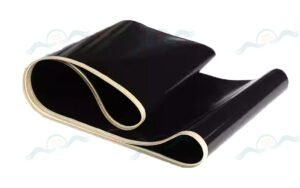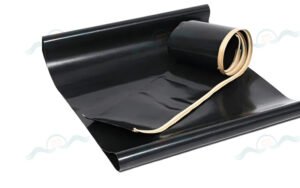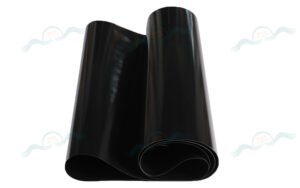
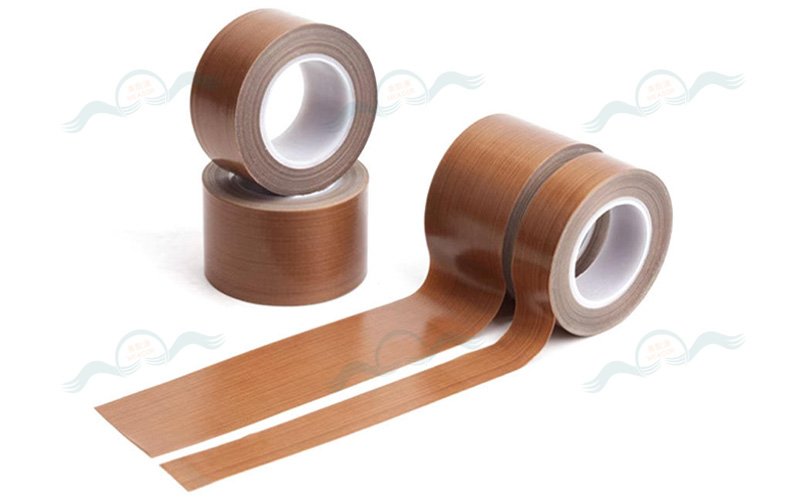
PTFE Adhesive Tape is a high-performance multi-purpose composite material manufactured by coating imported fiberglass fabrics or pure PTFE film with high-temperature pressure-sensitive adhesives. Widely recognized across packaging, electronics, paper manufacturing, and textile processing, it serves as a critical asset for non-stick thermal sealing and electrical insulation.
I. Core Performance Attributes & Advantages
- Excellent Thermal Endurance: Continuous operational threshold exceeds +260°C, enabling safe operation over superheated heating elements.
- Exceptional Anti-Adhesion (Non-Stick): Ultra-low surface friction prevents molten film slag, polymers, or glue residues from adhering to heaters.
- Superior Dielectric Strength: Provides high breakdown voltage and electrical insulation properties for electronics and power equipment.
- Mechanical Stability & Fabric Reinforcement: Fiberglass-reinforced variants offer exceptional tensile strength, smooth tracking, long operational lifespan, and easy replacement.
- Universal Industrial Adaptability: Broadly applied in paper, food, dyeing, apparel, glass, pharmaceuticals, electronics, and grinding wheel production.
II. Common Adhesive & Application Failure Analysis
- Inappropriate Adhesive Selection: Mismatch between permanent vs. removable adhesives or failure to account for specific chemical resistance needs.
- Substandard Adhesive Quality: Insufficient tack or shear strength under thermal exposure.
- Tension Control Issues During Lamination: Excessive lamination tension causes post-peel curling, leading to edge lifting and debonding.
- Substrate Incompatibility: Incompatible elasticity between tape backing and host surfaces (flexible vs. rigid substrates).
- Irregular Object Topography: Application on multi-curved or spherical surfaces inducing surface wrinkling and edge lifting.
- Improper Application Technique: Uneven or slow manual bonding failing to achieve complete surface contact.