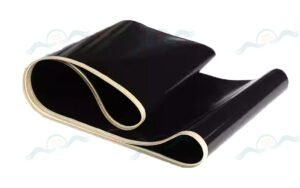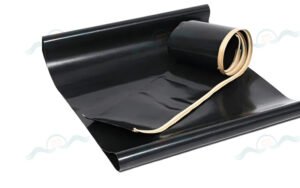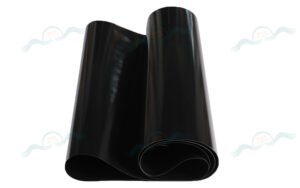
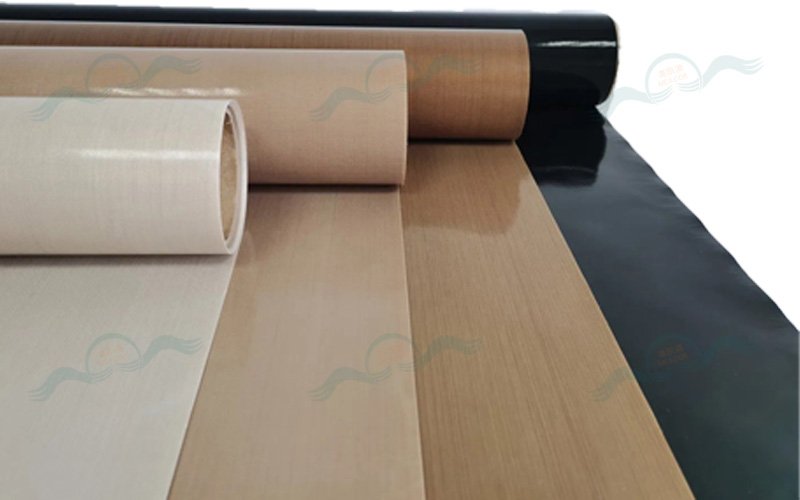
Common Applications of PTFE High-Temperature Fabrics
The core performance traits of PTFE (Teflon) high-temperature fabrics—including extreme temperature tolerance, chemical corrosion resistance, exceptional non-stick release, high dielectric insulation, and robust anti-aging wear resistance—render them indispensable across multiple industrial sectors. Typical application scenarios include:
I. Food Processing Industry
- Baking Operations: Used as reusable baking pan liners and oven conveyor belts. They come into direct contact with bread, biscuits, chocolates, and confectionery, ensuring effortless food-grade release and zero sticking.
- Food Dehydration & Conveying: Deployed as high-end conveyor belts for microwave drying tunnels and deep-fried food processing lines, effortlessly resisting oil absorption and simplifying sanitization.
II. Industrial Thermal Processing & Packaging
- Heat Sealing Equipment: Serves as the primary thermal isolation backing for plastic bag and aluminum foil impulse sealers, preventing molten packaging plastics from bonding to the heating jaws at peak temperatures (200°C–300°C).
- Lamination & Hot-Pressing Procedures: Applied as non-stick release sheets during the lamination of PCBs and advanced composites (like carbon fiber layouts), ensuring raw resins do not stick to the press platens while preserving a flat surface finish.
- Hot Stamping & Heat Transfers: Utilized as a protective thermal liner in hot-stamping and heat-transfer machinery to isolate the heated die from the substrate, preventing film adherence.
III. Textile Dyeing & Printing
- Functions as premium dryer conveyor belts for fabric setting and tensioning machinery. It withstands intense ambient steam and superheated air currents without absorbing residual dyes or synthetic fibers, optimizing machine uptime and service longevity.
IV. Electrical Insulation & Thermal Protection
- Electrical Hardware Insulation: Formed into dielectric insulation gaskets, terminal liners, and shielding sleeves for electric motors, transformers, and switchgear cabinets, defending components against short circuits and thermal degradation.
- Flame-Retardant Encapsulation: Wrapped around high-temperature piping networks and heavy-duty cabling arrays to act as a fireproof, heat-insulating, and anti-corrosive barrier in metallurgy and power generation plants.
V. Chemical Process Industry
- Applied as corrosion-resistant liners or isolation gaskets inside chemical reactors, storage tanks, and pipelines, resisting degradation from aggressive acids, concentrated alkalis, and potent oxidizers under elevated temperatures.
- Configured as durable chemical conveyor belts for transporting corrosive dry powders or chemical fluids.
VI. New Energy & Electronics Sectors
- Lithium-Ion Battery Manufacturing: Deployed as process conveyor belts or separation sheets during electrode sheet drying and hot-pressing stages, surviving intense processing heat without sticking to the active materials.
- Solar PV Module Encapsulation: Deployed as critical lamination release sheets during solar panel vacuum lamination to prevent cross-linked EVA encapsulants from fouling the laminator platens.
VII. Specialized Industrial Applications
- Composite Demolding: Functions as a premier peel-ply release cloth during fiberglass-reinforced plastic (FRP) and structural resin molding, ensuring clean separation between the finished component and the mold.
- High-Heat Gasketing: Fabricated into durable high-temperature sealing gaskets and washers, successfully replacing conventional rubber seals in volatile, corrosive environments.