Does PTFE High-Temperature Fabric Deliver Significant Industrial Energy Savings When Replacing Traditional Insulation Materials?
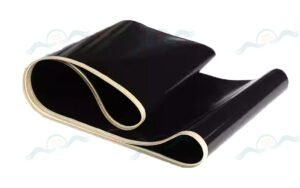
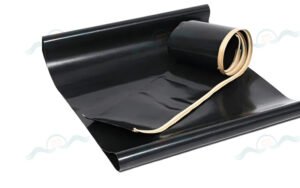
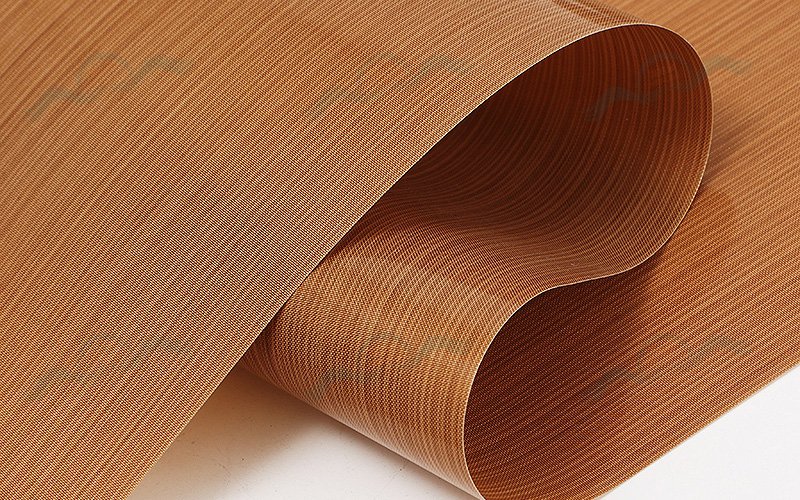
PTFE high-temperature fabric (PTFE-coated fiberglass cloth) delivers significant industrial energy savings when replacing traditional insulation materials — particularly in medium and low-temperature industrial applications (≤ 260°C), where energy savings of 20%–60% can be achieved. Combined with its outstanding all-round performance, it generates long-term stable energy savings and reduced operational and maintenance costs.
Ⅰ. Core Energy Saving Data & Performance
| Application Scenario | Energy Saving Rate | Heat Loss Reduction | Temperature Reduction | Payback Period |
|---|---|---|---|---|
| Injection molding / extruder insulation jackets | 15%–30% | — | More than 50% | Approx. 6 months |
| High-temperature pipeline insulation layers | More than 30% | More than 30% | — | — |
| Valve / vulcanizing machine insulation jackets | 20%–60% | — | More than 50% | — |
| Hot press equipment thermal insulation | 15%–20% | — | — | — |
Key Mechanisms:
- Low Thermal Conductivity: PTFE substrate thermal conductivity is approximately 0.25 W/(m·K) — far lower than metal materials (steel: approx. 50 W/(m·K); aluminum: approx. 237 W/(m·K)) — effectively blocking heat transfer
- Complete Encapsulation: Flexible material conforms closely to irregularly shaped equipment and complex pipeline configurations, eliminating the gap heat leakage common with rigid traditional materials
- Low Surface Energy: Non-stick properties prevent oil and grease adhesion, avoiding thermal resistance changes that would otherwise reduce insulation efficiency over time
Ⅱ. Comparative Analysis vs. Traditional Insulation Materials
| Performance Dimension | PTFE High-Temperature Fabric | Traditional Insulation (Asbestos / Ceramic Fiber / Glass Wool) | Energy Saving Impact |
|---|---|---|---|
| Operating Temperature Range | -70°C to 260°C (customizable to 350°C) | Asbestos < 500°C; Ceramic fiber < 1,200°C | Suitable for medium/low-temp industrial scenarios; prevents heat loss from material failure |
| Thermal Conductivity | 0.25 W/(m·K) | Asbestos ~0.12 W/(m·K); Ceramic fiber ~0.08 W/(m·K) | Slightly lower insulation performance than some traditional materials, but overall advantages are significant |
| Service Life | Long-term stable (no strength degradation after 200 days at 250°C) | Shorter (prone to aging and powder degradation) | Reduces replacement frequency; lowers maintenance energy consumption and costs |
| Installation Convenience | Lightweight and flexible; freely cuttable and wrappable | Rigid/brittle; complex installation | Improves installation efficiency; reduces construction energy use; ensures insulation layer integrity |
| Cleaning & Maintenance | Rinses clean with water; no chemical solvents required | Absorbs oil and grease; requires strong alkali cleaning | Reduces cleaning energy consumption and chemical agent use; minimizes secondary pollution |
| Safety | Asbestos-free, dust-free; compliant with environmental standards | Asbestos is carcinogenic; glass wool/ceramic fiber generates harmful dust | Improves working environment; reduces ventilation energy consumption and health risks |
Ⅲ. Key Application Scenarios with Significant Energy Savings
Injection Molding / Extrusion Equipment
- Used as insulation jackets for mold and die heaters; reduces surface radiation heat loss; energy savings of 15%–20%
- One injection molding machine application (heating power 12.5 kW; total machine power 31 kW) achieved annual electricity cost savings of 20%–30%, with investment recovered within six months
High-Temperature Pipelines & Valve Systems
- Fabricated as removable insulation jackets; reduces heat dissipation by more than 30%; particularly suited for components requiring frequent maintenance access
- Temperature reduction exceeding 50%; lowers workshop ambient temperature; reduces air conditioning and cooling energy consumption
Hot Press / Heat Sealing Equipment
- Replaces silicone pads for lithium battery tab thermocompression bonding; yield rate improved from 92% to 99.6%; reduces energy waste from defective product losses
- Used in composite material autoclave processing; uniform heat transfer; reduces rework energy consumption caused by uneven heating
Food Processing Machinery
- Baking tray liners eliminate the need for release agents; cleaning time reduced by 70%; lowers cleaning energy consumption
- Fried food conveyor belts: oil residue slides off automatically; reduces downtime for cleaning; production capacity improved by more than 30%
Ⅳ. Comprehensive Energy Saving Value Assessment
The energy saving benefits of PTFE high-temperature fabric extend beyond direct heat loss reduction to include:
- Long-Term Stable Energy Savings: Low thermal shrinkage rate (≤ 0.5%); dimensional stability at high temperature improved by 80%; prevents seal failure and heat leakage caused by thermal expansion and contraction
- Reduced Auxiliary Energy Consumption: Lowers energy consumption and costs associated with cleaning, maintenance, and replacement operations
- Improved Energy Utilization Efficiency: Precise temperature control; reduces energy waste caused by temperature fluctuations
- Extended Equipment Service Life: Protects equipment from high-temperature damage; reduces energy consumption and carbon emissions associated with equipment replacement
Ⅴ. Application Boundaries & Optimization Recommendations
Operating Temperature Limit: Optimal working temperature ≤ 260°C; temperatures exceeding 300°C require special custom products; not suitable for ultra-high-temperature (> 1,000°C) industrial kiln applications
- Composite Usage Strategy: Combine with ultra-low thermal conductivity materials such as ceramic fiber to achieve both superior insulation performance and durability, further enhancing energy saving results
- Selection Matching: Select appropriate thickness (0.13–0.65 mm) and coating type (single-sided / double-sided) based on equipment temperature, geometry, and operating conditions to ensure optimal energy saving performance
Conclusion
PTFE high-temperature fabric delivers significant and stable energy savings in medium and low-temperature industrial applications when replacing traditional insulation materials — with energy saving rates of 20%–60%, a short investment payback period (approximately 6 months), and multiple additional benefits including environmental compliance, enhanced safety, and convenient maintenance. Material selection should be matched to specific operating conditions, with composite solutions adopted where necessary, to maximize energy saving benefits.