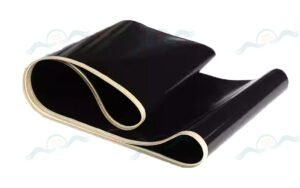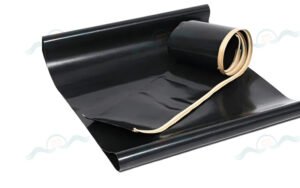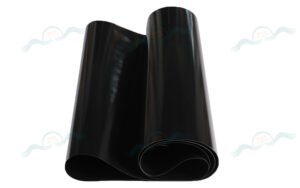
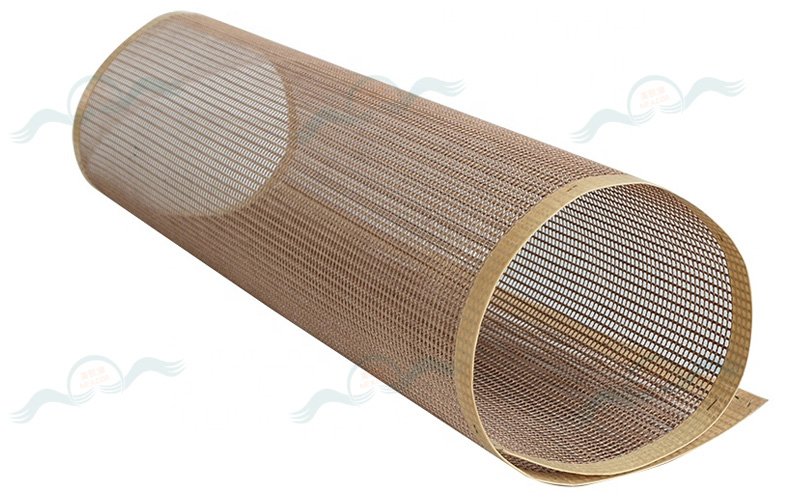
PTFE conveyor belts represent an indispensable, highly reliable material handling solution across demanding industrial B2B sectors, particularly within chemical processing environments where resistance to aggressive corrosive media is critical.
I. Pre-Operational Quality Verification
- Surface Defect Inspection: Conduct rigorous pre-use checks for surface scratches, micro-cracks, or indentations. Minute flaws can propagate under aggressive chemical exposure.
- Joint Integrity Audit: Verify splice and joint bond strength (e.g., scived, clipper, or bullnose joints) to prevent sudden breakage or delamination under operational load.
II. Operational Parameter Control
- Velocity Optimization: Balance line speed to minimize friction against support rollers. Excessive speed accelerates mechanical surface wear, while suboptimal speed degrades line throughput.
- Load Distribution Management: Regulate material feed volume across the belt width to prevent localized over-pressurization and thermal/mechanical deformation.
III. Chemical and Environmental Adaptation
- Media & Concentration Matching: Select specific PTFE grade specifications and resin density based on chemical composition, concentration, and pH values.
- Thermal Fluctuation Controls: Implement thermal protection measures against acute ambient temperature swings to preserve fluoropolymer structural stability.
IV. Preventive Maintenance & Equipment Compatibility
- Post-Operation Cleaning: Clean chemical residues immediately after operational cycles to prevent localized slow-etching degradation.
- Roller Compatibility: Match roller surface materials to PTFE characteristics to prevent chemical galvanic action or high-friction abrasive wear.
- Tensioning & Tracking: Calibrate belt tension to eliminate drive slippage, belt wander, and tracking errors on high-speed chemical lines.