How to Evaluate the Safety Profiles of PTFE High-Temperature Adhesive Tapes
Evaluating the safety profile of PTFE (Teflon) high-temperature tape requires a comprehensive matrix assessment across material compliance, certification tracking, operational compatibility, and manufacturing credentials. This ensures the product eliminates toxic outgassing or mechanical risks during deployment, guided by the following 6 core pillars:
- Safety Verification of Core Materials
While pure polytetrafluoroethylene (PTFE) itself is chemically inert and non-toxic, the total safety profile of the composite tape hinges tightly on its carrier substrate and adhesive mass:
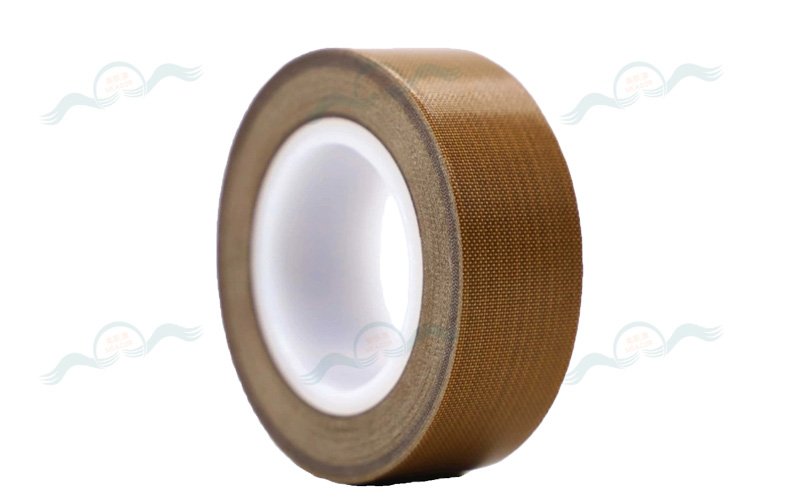
- Carrier Substrate: Mainstream versions utilize a fiberglass cloth matrix. Users must verify it is free of hazardous coatings or structural impurities, as substandard carriers often retain heavy metals or chemical processing aids.
- Adhesive Mass: High-temperature silicone pressure-sensitive adhesive (PSA) is highly preferred due to its thermal stability. Low-grade acrylic adhesives must be bypassed, as they volatilize heavy VOCs and acrid vapors under thermal stress.
- Sensory Inspection: Premium tapes present zero acrid odors. Odors typically indicate un-cured inferior adhesives or residual solvent matrices. The tape must exhibit no noticeable off-gassing under high heat, nor show signs of surface powdering or delamination.
- Regulatory Compliance and Certified Testing Reports
Legitimate tape products must carry third-party certifications matched to their target fields; unverified, unbranded products carry high operational risks:
- Food-Contact Environments (e.g., commercial baking, food processing lines): Products must strictly conform to food-contact regulations, such as China’s GB 4806.10, US FDA 21 CFR 177.1550, and Germany’s LFGB.
- Industrial Environments: Tapes must comply with RoHS (Restriction of Hazardous Substances) and REACH (EU Chemical Compliance) standards. Electrical setups require verified dielectric insulation ratings.
- Critical Testing Assays: Third-party laboratory reports must explicitly confirm the absolute absence of PFOA/PFOS (perfluorinated compounds facing global restrictions), heavy metals (lead, cadmium, etc.), and toxic plasticizer residues.
- Thermal Threshold and Operational Environment Matching
The rated temperature threshold of PTFE tape (typically -70°C to 260°C) must strictly align with the actual operating environment:
- Continuous Service Temperature: Operational heat must never exceed the specified long-term thermal limit (e.g., 260°C). Exceeding this boundary triggers slow thermal degradation of the PTFE, releasing highly toxic fluoropolymer fumes like perisobutylene.
- Intermittent Heat Caps: Even if labeled “short-term resistance up to 300°C,” long-term exposure above 260°C must be avoided to mitigate degradation risks.
- Closed-System Warnings: Closed thermal setups (e.g., commercial oven interiors) require additional verification of the tape’s precise outgassing thresholds, as stagnant ventilation accelerates the accumulation of hazardous vapors.
- Manufacturer Verification and Product Labeling
- Avoid Unverified Goods: Source exclusively from established manufacturers possessing valid business credentials, verifiable material data sheets (MDS), and positive industry case histories.
- Transparent Product Labeling: Packaging must explicitly declare the “Intended Application Field” (Food Grade vs. Industrial Grade), thermal range, production batch dates, and compliance standards. Avoid products lacking clear specifications.
- Targeted Safety Protocols for Specialized Environments
- Food-Contact Processing: Industrial-grade tapes must never substitute for food-grade variations. Food-grade models must be explicitly stamped “Food Contact Safe” and restricted from direct, prolonged contact with high-temperature oils to prevent adhesive leaching.
- Electrical Insulation: Dielectric breakdown voltage ratings must be verified to prevent electrical tracking or leakage on high-voltage machinery.
- Pharmaceutical/Medical Production: Tapes must comply with medical-grade biosecurity protocols (e.g., ISO 10993) to eliminate potential contamination from residual chemical additives.
- Operational Risk Mitigation Strategies
- Limit continuous exposures above 260°C. Although the crystalline melting point of PTFE sits at 327°C, sustained processing above 260°C accelerates mechanical aging and polymer decomposition.
- Execute a pre-operational burn-in by running a thermal cycle for 10–15 minutes in a well-ventilated space before full line integration, checking for smoke or abnormal odors.
- Dispose of spent tape structures as industrial solid waste; open-air incineration is strictly prohibited as it generates hazardous gaseous fluorides.
Summary
The core logic for auditing PTFE tape safety is defined as: Material Compliance + Verified Certification + Environmental Matching + Credentialed Manufacturer. Food-contact tracks demand rigorous food-safety verification, while industrial tracks prioritize heat thresholds and environmental toxicity compliance.