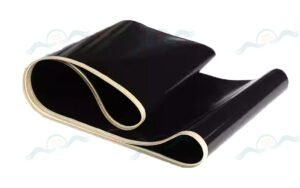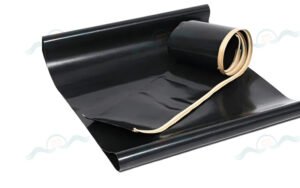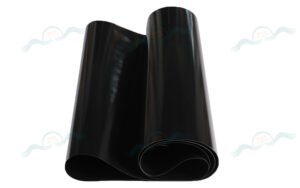
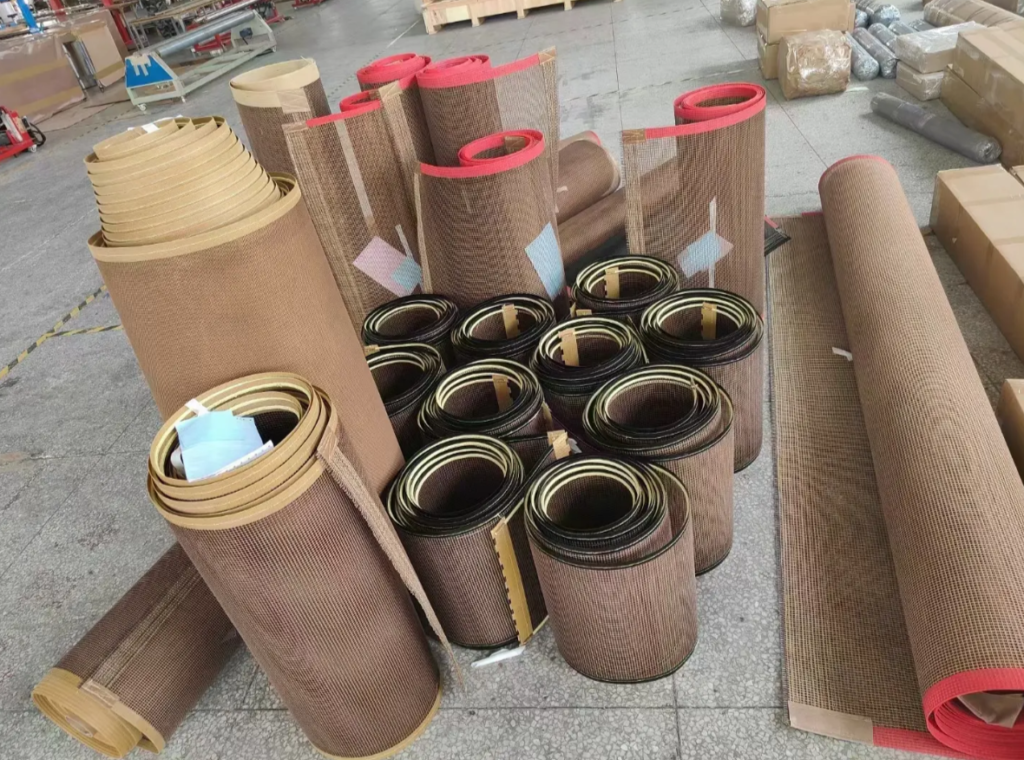
Selecting the right PTFE (Polytetrafluoroethylene) conveyor belt is critical for industrial applications, as it directly impacts production efficiency, product quality, and equipment maintenance. Widely used in food, pharmaceuticals, chemicals, and electronics, these belts are prized for their high-temperature resistance, corrosion resistance, and low friction. To ensure the best fit for your production needs, consider the following factors:
1. Dimensional Specifications
The width and length must be determined based on the actual equipment dimensions and layout of the production line. Additionally, thickness is a key factor; while thicker belts offer better wear resistance and load-bearing capacity, they may increase operational resistance.
2. Operating Environment
Standard PTFE belts operate between -70°C and 260°C. It is essential to verify the specific temperature range of your process to select a heat-resistant or cryogenic grade accordingly. Furthermore, evaluate the types and concentrations of chemicals the belt will encounter to ensure chemical stability.
3. Physical Performance
While all PTFE belts offer low friction, products vary in tensile strength, abrasion resistance, and surface smoothness. Assess your specific requirements—such as high-speed transmission or heavy-load bearing—to evaluate these physical properties accurately.
4. Installation and Maintenance
Proper installation ensures the belt is neither too tight nor too loose, preventing premature wear. Regular inspections are necessary to identify abrasion early. Preventive measures, such as routine cleaning and re-coating, can significantly extend the belt’s service life.
5. Cost-Benefit Analysis
Prices vary by brand, specification, and quality. While premium belts have a higher upfront cost, their superior performance and longer lifespan often yield better long-term ROI (Return on Investment). Weigh the initial budget against long-term operational benefits.