How to Select the Right PTFE Teflon Tape for Specific Industry Applications
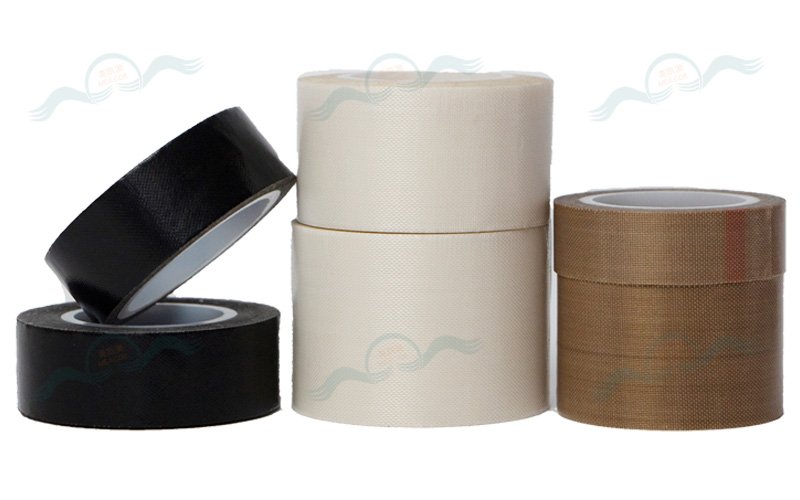
Selecting the right PTFE Teflon tape for a specific industry application requires precise matching across four key dimensions: substrate type, adhesive system, core performance indicators, and industry-specific requirements. The following provides a practical selection guide and industry-specific adaptation solutions.
Ⅰ. Two Core Types of PTFE Tape & Their Application Scenarios
| Type | Substrate | Thickness Range | Core Advantages | Application Scenarios |
|---|---|---|---|---|
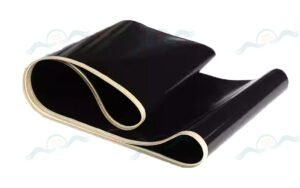
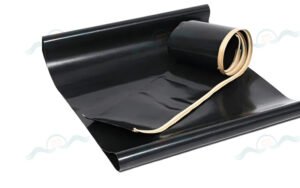
| Fiberglass-Based PTFE Tape | Fiberglass cloth + PTFE coating | 0.13–0.3 mm | High strength, wear resistance, high-temperature resistance (continuous 260°C) | Chemical pipelines, high-temperature baking equipment, heavy-duty conveyor belts |
| Pure PTFE Film Tape | 100% PTFE film | 0.05–0.25 mm | Ultimate non-stick, high flexibility, transparent | Food packaging, electronic soldering protection, precision instrument insulation |
Quick Selection Tip:
- High strength / high temperature / corrosion resistance → Fiberglass-based grade
- Precision conformability / dynamic sliding / low friction → Pure film grade
Ⅱ. Four Core Performance Indicators — Precise Matching to Operating Conditions
1. Temperature Resistance Matching (Most Critical Indicator)
- Continuous Operating Temperature: Confirm the long-term operating temperature of industry equipment; standard grades withstand -70°C to 260°C; short-term tolerance up to 300°C
- Peak Temperature: Account for instantaneous high temperatures during equipment startup, shutdown, and abnormal conditions — select a grade with a 20–30°C safety margin above the maximum anticipated temperature
Industry Temperature Reference:
- Food Processing: 120–200°C (ovens / heat sealing machines)
- Electronics Manufacturing: 150–260°C (reflow soldering / wave soldering)
- Chemical Industry: 180–260°C (reactors / pipelines)
- New Energy Batteries: 200–300°C (tab welding / hot press)
2. Adhesive System Selection (Directly Affects Operating Temperature & Tack)
| Adhesive System | Temperature Range | Tack Characteristics | Price | Applicable Industries |
|---|---|---|---|---|
| Silicone Adhesive | Long-term 260°C; short-term 300°C | Superior high-temperature resistance; no residue after removal | Higher | Extreme high-temperature applications (chemical / electronics) |
| Acrylic Adhesive | 150–180°C | Long-lasting tack; excellent cost-performance ratio | Medium | Ambient to medium-temperature applications (packaging / printing) |
| Adhesive-Free (PTFE thread seal tape) | 260°C | No adhesion; seals by stretch-wrapping | Low | Pipeline thread sealing (plumbing) |
3. Thickness & Strength Matching
Thickness Selection:
- Thin (0.05–0.1 mm): Precision wrapping, electronic masking, complex curved surface conformability
- Medium (0.13–0.2 mm): General industrial applications, heat sealing machines, conveyor belts
- Thick (0.25–0.3 mm): High wear resistance requirements, heavy-duty equipment, high-temperature pipelines
Tensile Strength:
- Light duty: 300 N/cm (electronic masking / temporary protection)
- Medium duty: 600 N/cm (general industrial)
- Heavy duty: 900 N/cm (chemical conveying / high-temperature rollers)
4. Special Functional Requirements
- Anti-Static: Electronics / semiconductor industries (surface resistance 10⁶–10⁹ Ω)
- Thermally Conductive: New energy battery / LED heat dissipation applications
- Food-Grade: FDA/LFGB certified; for food-contact surfaces
- Medical-Grade: USP Class VI compliant; for medical device packaging
- Enhanced Corrosion Resistance: Chemical / electroplating industries; requires thicker coating or special formulation
Ⅲ. Industry-Specific Selection Solutions
1. Food Processing Industry
- Core Requirements: Food-contact safety, non-stick performance, high-temperature resistance, easy cleaning
- Recommended: Pure PTFE film tape (FDA certified) + silicone adhesive; thickness 0.08–0.15 mm
- Applications: Oven conveyor belts, bread baking tray liners, food packaging heat sealing machines
- Prohibited: Industrial-grade products with additives; food-contact certification is mandatory
2. Electronics & Electrical Industry
- Core Requirements: High electrical insulation, anti-static, high-temperature resistance, no adhesive residue
- Recommended: Pure PTFE film tape (anti-static grade) + silicone adhesive; thickness 0.05–0.1 mm
- Applications: PCB board thermocompression isolation, wire harness wrapping, soldering protection, transformer insulation
- Special Note: Semiconductor chip manufacturing requires high-purity PTFE to prevent contamination
3. Chemical Processing & Electroplating Industry
- Core Requirements: Extreme chemical corrosion resistance, high-temperature resistance, high mechanical strength
- Recommended: Fiberglass-based PTFE tape (heavy-duty coating) + silicone adhesive; thickness 0.2–0.3 mm
- Applications: Reactor sealing, pipeline anti-corrosion wrapping, electroplating tank protection, acid/alkali liquid conveying
- Notes: Test compatibility with specific chemical media (strong acids / strong alkalis / organic solvents); certain strong oxidizing agents may affect PTFE performance
4. Packaging & Printing Industry
- Core Requirements: Non-stick, wear resistance, moderate tack, cost-effectiveness
- Recommended: Fiberglass-based or pure film PTFE tape + acrylic adhesive; thickness 0.1–0.15 mm
- Applications: Heat sealing machine guide belts, sealing belts, printing roller anti-stick, laminating machine heat rollers
- Advantage: Acrylic adhesive provides long-lasting tack suitable for frequently starting and stopping packaging equipment
5. New Energy Battery Industry
- Core Requirements: High-temperature resistance (200–300°C), no adhesive residue, good insulation, dimensional stability
- Recommended: Kevlar-reinforced PTFE tape (tensile strength 900 N/cm) + silicone adhesive; thickness 0.2–0.25 mm
- Applications: Battery tab welding protection, battery hot press forming, cell insulation wrapping
- Key Indicator: No volatiles at high temperature to prevent contamination of battery materials
6. Medical Industry
- Core Requirements: Biocompatibility, sterility, corrosion resistance, non-toxicity
- Recommended: Pure PTFE film tape + medical-grade silicone adhesive; thickness 0.05–0.1 mm
- Applications: Sterile packaging sealing, medical device protection, surgical instrument anti-stick
- Verification: Complete biocompatibility testing reports must be provided
Ⅳ. Five-Step Selection Process — Avoiding Common Pitfalls
- Define Operating Condition Parameters: Record operating temperature (continuous / peak), pressure, contact media, substrate material, and usage cycle
- Identify Core Requirements: Rank by priority (e.g., food industry: safety > non-stick > heat resistance)
- Match Product Type: Select fiberglass-based or pure film grade based on strength / flexibility requirements
- Select Adhesive System & Thickness: Choose adhesive based on temperature and tack requirements; choose thickness based on load and conformability needs
- Verify Certifications & Testing: Industry-specific certifications (FDA / medical / anti-static) + real-world condition testing
Ⅴ. Pitfall Avoidance Guide — Common Selection Errors & Solutions
| Incorrect Selection | Consequence | Correct Approach |
|---|---|---|
| Using acrylic adhesive in environments above 200°C | Adhesive failure; residual adhesive contamination | Switch to silicone adhesive PTFE tape |
| Using thin pure film tape on heavy-duty equipment | Tearing; short service life | Select fiberglass-based or Kevlar-reinforced grade |
| Using industrial-grade products in food-contact applications | Safety risk; regulatory violation | Select FDA-certified food-grade PTFE tape |
The core logic of PTFE tape selection is operating condition matching + industry compliance. First establish the temperature, pressure, media, and load of the application environment, then screen by substrate type → adhesive system → thickness → special functions, and finally verify industry certifications. For complex operating conditions, it is recommended to request samples for small-batch testing to validate real-world performance before placing bulk orders.