High-Temperature Belt Lifespan Decoded: 6 Months to 3 Years
In the industrial conveyor belt sector, the selection of high-temperature resistant materials directly determines product service life and performance. Today, we provide an in-depth analysis of the material properties and lifespan expectations of three mainstream high-temperature resistant conveyor belts, helping you more precisely match the right belt to your specific operating conditions.
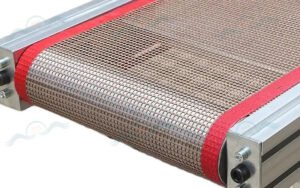
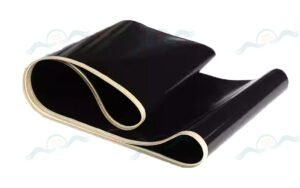
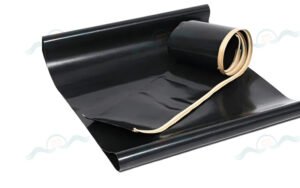
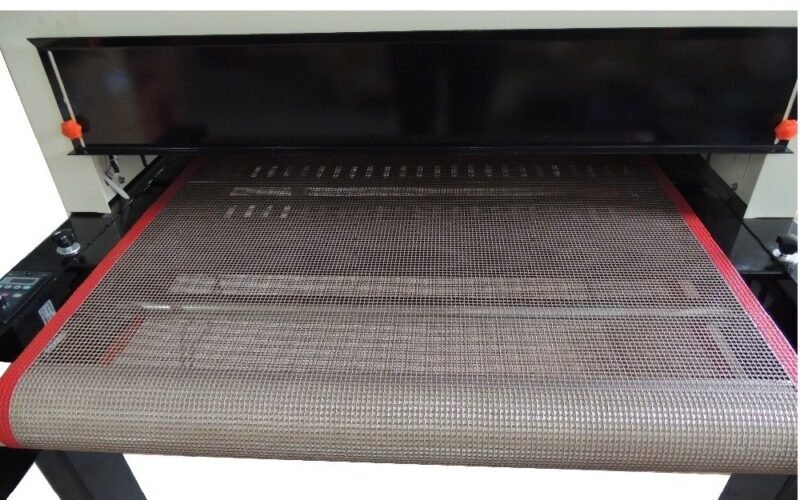
- PTFE (Teflon) High-Temperature Resistant Conveyor Belt (Operating Temperature Range: 150–260°C)
Service Life Expectation: Under normal maintenance conditions, PTFE conveyor belts have an expected service life of approximately 1–2 years. When operated continuously near the upper temperature limit (e.g., 250°C and above), service life will be reduced accordingly to 6–10 months.
Material Characteristics: PTFE is renowned for its outstanding chemical corrosion resistance and low coefficient of friction, making it well-suited for applications requiring frequent cleaning cycles and low-load operating conditions. - Fiberglass-Coated High-Temperature Resistant Conveyor Belt (High-Temp Conveyor Belt Operating Temperature Range: 260–500°C)
Service Life Expectation: In ultra-high-temperature applications (e.g., up to 300°C), fiberglass-coated conveyor belts deliver a service life of 8–16 months. Under relatively stable operating conditions (e.g., 260–300°C), service life can be further extended to approximately 1.5 years.
Material Characteristics: Fiberglass-coated belts are distinguished by their high tensile strength and superior high-temperature resistance, making them particularly suitable for high-temperature material handling in metallurgy, ceramics, and related industries. - Stainless Steel High-Temperature Resistant Conveyor Belt — Grade 316 (Operating Temperature Range: 260–500°C)
Service Life Expectation: Grade 316 stainless steel conveyor belts, owing to their exceptional wear resistance and anti-corrosion performance, achieve a service life of 2–3 years, establishing them as the preferred choice for heavy-duty, high-temperature operating environments.
Material Characteristics: Stainless steel belts offer not only extreme thermal resistance but also outstanding abrasion resistance and chemical corrosion resistance, making them well-suited for the harsh operating conditions found in steel manufacturing, power generation, and other demanding industries.
Analysis of Key Influencing Factors
Heat-Resistant Materials: The service life differences among the three belt types stem primarily from the fundamental distinctions in their heat-resistant materials. PTFE is lightweight and corrosion-resistant but has a comparatively lower upper temperature threshold; fiberglass-coated belts excel in high tensile strength and high-temperature endurance; stainless steel belts, with their all-round performance advantages, are the optimal solution for extreme operating conditions.
Actual Operating Conditions: Beyond the material itself, real-world operating conditions — including temperature levels, mechanical wear, and maintenance practices — significantly impact conveyor belt service life. For example, prolonged operation near the upper temperature limit can lead to a marked reduction in service life, while regular inspection and preventive maintenance can effectively extend operational longevity.
Purchasing Recommendations
When procuring high-temperature resistant conveyor belts, always conduct a comprehensive assessment based on your actual operating conditions — including temperature range, load capacity, and exposure to corrosive media — to select the most appropriate material type.
Avoid selecting a belt based solely on its rated temperature range. Instead, take a holistic approach by evaluating the compatibility between material performance and operating conditions, in order to achieve optimal operational results and the best total lifecycle cost.
Through this analysis, we hope you now have a clearer understanding of the material properties and service life expectations of high-temperature resistant conveyor belts. For your future procurement decisions, use this as a reference to select the belt best suited to your operating environment, thereby improving production efficiency and reducing maintenance costs.