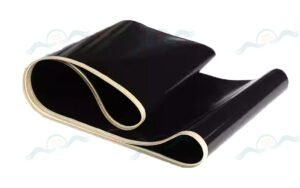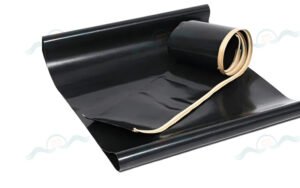
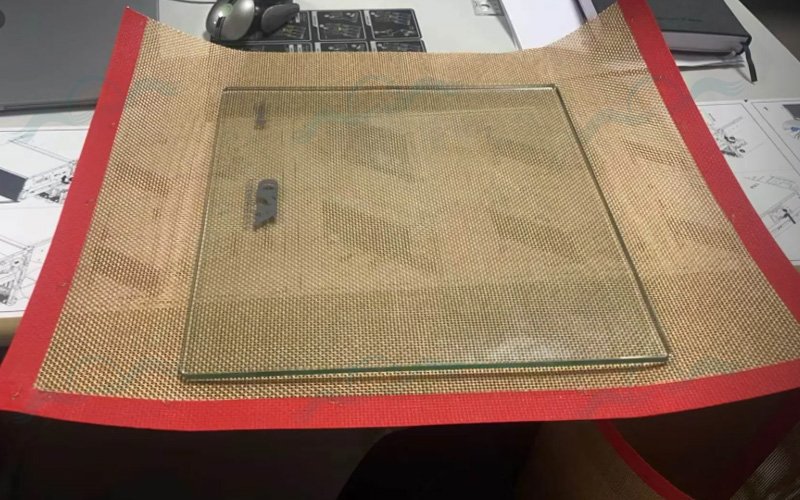
PTFE (Teflon) Mesh Sheets and Release Pads serve as essential non-stick separation media in laminated glass production, specifically during pre-heating, pre-pressing, vacuum pouch degassing, and high-pressure autoclave curing cycles (using EVA, PVB, or SGP interlayers).
I. Primary Glass Processing and Handling Categories
- High-Temperature Lamination Release Pads & Sheets:
- Application Points: Pre-pressing lines, vacuum rubber bags/rings, and autoclave heating chambers.
- Substrate & Construction: Woven fiberglass substrates impregnated with high-grade polytetrafluoroethylene (PTFE).
- Core Functionality: Prevents molten EVA, PVB, or SGP resins (overflowing at 130°C–180°C under heat and pressure) from bonding to silicone bags, rubber rings, or autoclave trays. The open-mesh porous design optimizes vacuum air evacuation, eliminating trapped air bubbles inside glass laminates.
- Transport & Storage Separation Pads:
- PTFE Mesh Sheets Application Points: Finished laminated glass stacking, packaging, transit, and warehousing.
- Materials & Function: Soft EVA foam, cork pads, or plastic corner guards designed to absorb transit vibrations, prevent glass-to-glass abrasion/chipping, and peel off cleanly without leaving adhesive residues.
II. Technical Performance Advantages of PTFE Release Sheets
- Superior Anti-Adhesion & Easy Cleaning: Overflowed EVA/PVB resins cannot adhere to the PTFE surface; cured residue strips off instantly, enabling thousands of reusable cycles.
- High Thermal Resistance & Tensile Load: Continuous thermal endurance reaching +260°C under severe autoclave pressure without deformation or embrittlement.
- Glass Surface Protection: Ultra-smooth, low-friction texture prevents surface scratching or impression marks on high-end architectural laminated glass and PV double-glass modules.