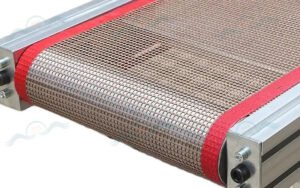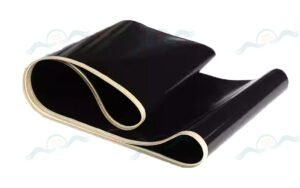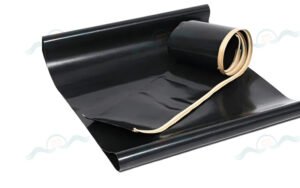
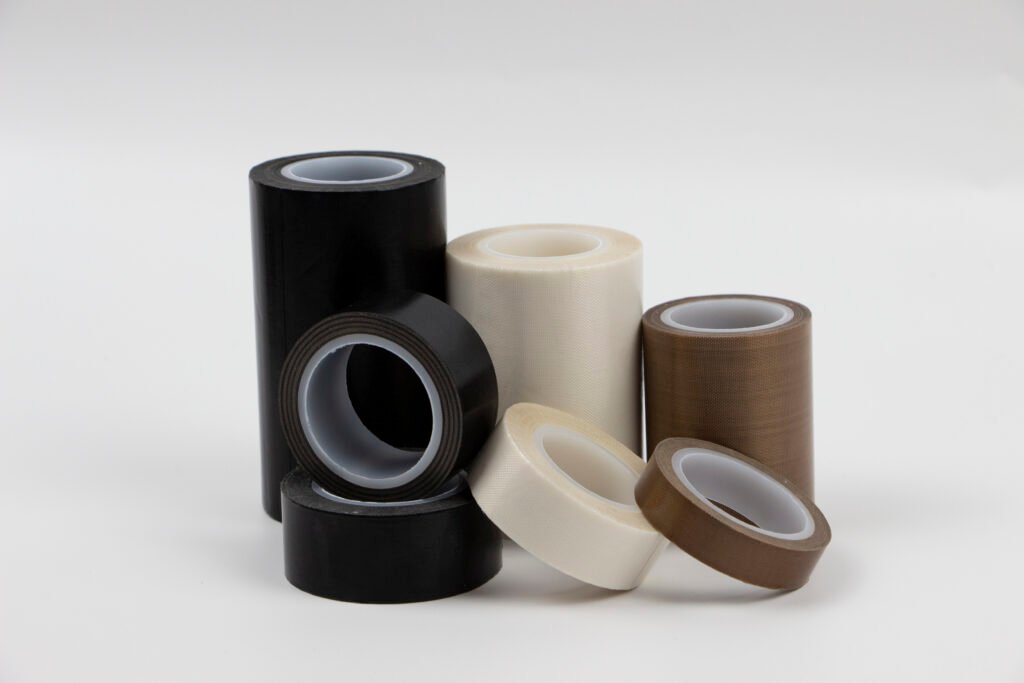
Teflon tape (PTFE tape) has become a core auxiliary material in industrial manufacturing, electronics, and food processing due to its exceptional high-temperature resistance, corrosion resistance, and anti-stick properties. As downstream demand upgrades, the industry scale is expanding steadily. However, with varying product quality in the market, mastering scientific procurement methods and understanding the current industry landscape is crucial for matching specific needs and mitigating procurement risks.
Three Key Dimensions for Procurement
When selecting Teflon tape, buyers should focus on three critical dimensions:
Substrate and Adhesive System: High-quality products utilize high-purity Polytetrafluoroethylene (PTFE) as the base material paired with high-performance pressure-sensitive adhesives (PSA). These can withstand temperatures from -70°C to 260°C and resist most acid and alkali solvents. Conversely, inferior products often use low-purity substrates, leading to issues like adhesive failure or corrosion under high heat.
Specification Matching: For precision electronics, ultra-thin models (0.05–0.13mm) are recommended to ensure a seamless fit. For mold protection and pipe sealing, thicker variants (0.13–0.5mm) are preferred for enhanced wear and tear resistance. Pay close attention to thickness tolerance; qualified products should maintain a margin of error within ±0.01mm.
Quality and Reputation: Prioritize brands with verified test reports and years of industry presence. Avoid low-priced, substandard products to balance cost-performance with reliable after-sales support.
Current Industry Status
The Teflon tape industry is showing robust development with continuous market expansion. Data indicates that the domestic market for high-temperature Teflon tape reached 4.58 billion RMB in 2025 and is projected to rise to 4.96 billion RMB in 2026, maintaining a stable Compound Annual Growth Rate (CAGR). The market structure is highly concentrated, with the top five enterprises holding 78% of the market share. East and South China remain the core industrial clusters due to their dense manufacturing hubs.
Industry Highlights
Domestic Substitution: Significant progress has been made in replacing imports. The dependency on imported high-purity PTFE dropped from 18.4% in 2021 to 9.2%, with the market share of domestic high-end products steadily increasing.
High-Value Upgrades: There is a surge in demand for functional categories such as anti-static and ultra-thin tapes. Customized orders in New Energy and Semiconductor sectors are growing at a rate far exceeding the industry average.
Strong Export Performance: In 2025, export value reached $527 million, primarily targeting Southeast Asia, Europe, and North America.
Challenges and Future Outlook
Despite growth, the industry faces hurdles: high-end PTFE grades and electronic-grade ultra-thin base fabrics still partially rely on imports. Small and medium-sized enterprises (SMEs) struggle with fragmented capacity and inconsistent quality control. Furthermore, the recycling system for waste tape is not yet mature. Moving forward, driven by Green Manufacturing policies and technological iterations, the industry will evolve toward eco-friendliness, high-end positioning, and localized supply chain control.
Conclusion
Procuring Teflon tape requires a focus on application-specific quality. As the industry undergoes structural optimization, staying informed on market trends and selecting the right products will ensure optimal performance and safeguard production operations.