What Are the Applications of PTFE Teflon Tape in the Electrical Insulation Field?
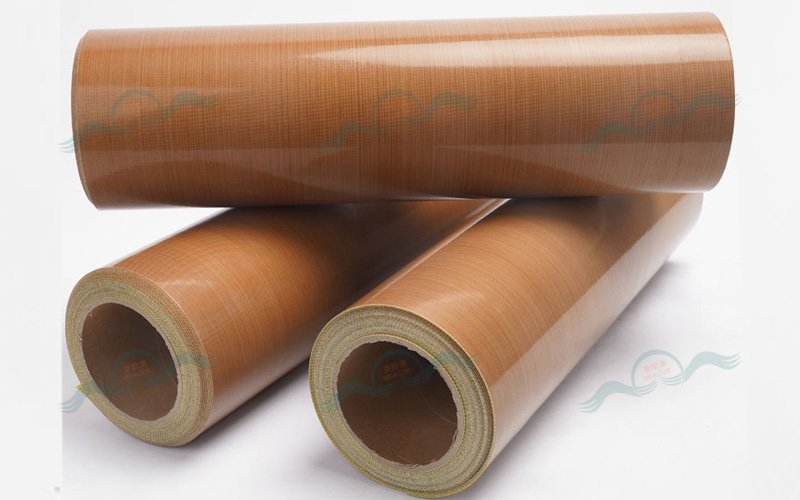
PTFE (Teflon) tape, with its outstanding electrical insulation performance combined with high-temperature resistance, chemical corrosion resistance, and long-term stability, has become a core material in the electrical insulation sector — particularly well-suited for demanding conditions involving high frequency, elevated temperatures, and aggressive chemical environments.
Ⅰ. Core Electrical Insulation Performance Advantages
| Performance Indicator | Specific Parameters | Application Value |
|---|---|---|
| High Dielectric Strength | Up to 30–40 kV | Withstands voltages above 500 V; effectively prevents leakage and short-circuit risks |
| Low Dielectric Constant | Approximately 2.6; dissipation factor < 0.0025 | Stable insulation in high-frequency/ultra-high-frequency environments; low signal transmission loss |
| Volume Resistivity | Up to 10¹⁶–10¹⁸ Ω·cm | Provides reliable electrical isolation; ensures safe equipment operation |
| Operating Temperature Range | -70°C to 260°C (continuous) | Suitable for alternating high/low-temperature electrical environments; no softening or carbonization |
| EMI Resistance | Strong chemical stability; unaffected by electromagnetic interference | Maintains insulation stability in complex electrical environments |
Ⅱ. Primary Application Scenarios in the Insulation Field
Motor & Transformer Insulation
- Used for winding wrap and coil insulation, replacing traditional insulating materials
- Protects core components including stators and rotors; withstands high temperatures and electromagnetic stress
- Improves equipment operating efficiency and service life; suitable for high-voltage motors and dry-type transformers
Wire & Cable Insulation Protection
- Cable joint sealing and insulation; prevents moisture and oil ingress
- High-frequency cable outer jacket and shielding layer isolation; reduces signal transmission loss
- Wire harness organization and insulation; suitable for automotive and aerospace wiring systems
Electronic Component Insulation
- High-temperature zone isolation on circuit boards; protects sensitive components including chips and capacitors
- Insulation encapsulation for capacitors, relays, switches, and similar components
- Insulation and thermal isolation for SMT carriers and thermocompression modules; compatible with precision electronics manufacturing
High-Voltage Electrical Equipment Insulation
- Phase-to-phase and phase-to-ground insulation in high-voltage switchgear and circuit breakers
- Power cable terminal head insulation treatment; improves weatherability and operational safety
- Insulation for power devices in new energy electronic control systems, inverters, and frequency converters
Specialized Environment Insulation Applications
- Chemical & Pharmaceutical Industries: Corrosion-resistant insulation; withstands acids, alkalis, and solvent attack
- Food Packaging Machinery: High-temperature sealing insulation; combines hygiene compliance with operational safety
- Semiconductor Equipment: Cleanroom-compatible insulation; zero particle shedding; ultra-low outgassing
Ⅲ. Comparison with Traditional Insulation Materials
| Material Type | Heat Resistance | Insulation Stability | Corrosion Resistance | Applicable Scenarios |
|---|---|---|---|---|
| PTFE Teflon Tape | 260°C (continuous) | Stable in high-frequency/high-temperature environments | Excellent (resists strong acids & alkalis) | Demanding conditions; high-frequency electrical |
| PVC Tape | Below 80°C | Ages at high temperatures; releases halogen gases | General | General low-voltage electrical work |
| PET Tape | Below 120°C | Performance degrades in high-frequency environments | Good | General electronics insulation |
Ⅳ. Selection & Usage Guidelines
- Specification Selection: Select thickness (0.05–0.20 mm) based on voltage rating; select substrate type (fiberglass cloth or pure PTFE film) based on temperature resistance requirements
- Environment Matching: Select pure PTFE film for highly corrosive environments; select fiberglass-reinforced grade for applications involving significant mechanical stress
- Installation Standards: Ensure surfaces are clean and dry; wrap tightly with no air entrapment; avoid excessive stretching that could compromise insulation performance
PTFE Teflon tape, by virtue of its unique material properties, has established itself as the preferred solution for high-end electrical insulation — playing an irreplaceable role particularly in industrial and electronics applications where reliability and weatherability requirements are exceptionally stringent.