What Is the Upper Temperature Resistance Limit of PTFE Teflon Tape?
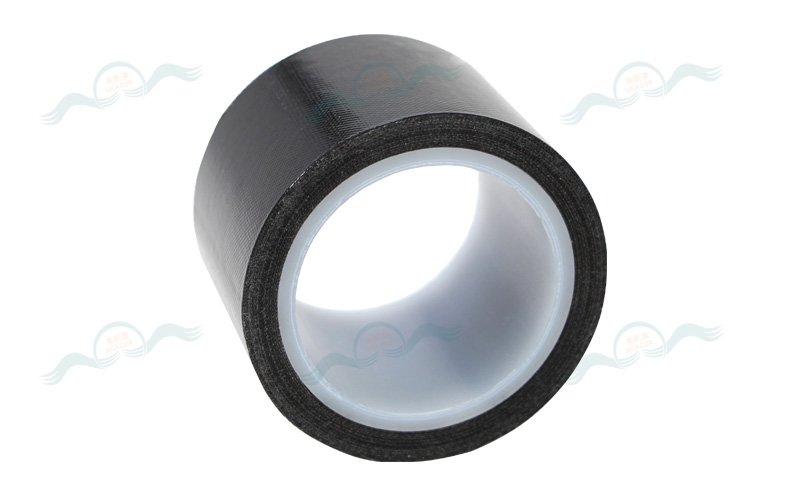
Standard adhesive-backed PTFE tape typically has a long-term continuous temperature resistance upper limit of 260°C, while the PTFE layer in certain specialized constructions or adhesive-free products can withstand short-term temperatures of 300°C–350°C.
To provide a clearer understanding of the differences between product types, the core information is summarized in the table below:
| Product Type / Characteristic | Long-Term Continuous Operating Temperature | Short-Term Tolerance (PTFE Layer) | Key Limiting Factor / Notes |
|---|---|---|---|
| Mainstream Adhesive-Backed PTFE Tape | -70°C to 260°C | Up to 300°C | Temperature bottleneck is the adhesive backing — the thermal limit of the silicone pressure-sensitive adhesive determines overall performance |
| Nitto 903UL and Similar Film-Type | -60°C to 200°C | Data unavailable | Based on PTFE film substrate; manufacturer-recommended continuous operating temperature is more conservative |
| PTFE Fiberglass Cloth-Based Tape | -196°C to 300°C | 350°C (120 hours) | Test data indicates the PTFE coating maintains short-term stability at 350°C |
Key to Understanding Temperature Resistance Differences
The significant variation in temperature resistance values primarily stems from product construction:
The Bottleneck Is the Adhesive, Not the Film:
PTFE material itself has excellent heat resistance, but tape products require a layer of silicone pressure-sensitive adhesive applied to the PTFE surface to provide bonding capability. The thermal upper limit of this adhesive backing — typically 180°C–260°C — is the weakest link in the tape’s overall temperature resistance capability.
What “Short-Term Tolerance” Means:
Temperature ratings of 300°C or 350°C cited in product literature typically refer to the thermal stability of the PTFE base material itself under short-term static conditions — without applied pressure or continuous mechanical loading. This does not mean that adhesive-backed tape can sustain adhesive bonding performance at these temperatures over extended periods.
How to Select the Right Product for Your Application
To help identify the most appropriate tape, consider the following selection criteria:
1. Clarify Your “Upper Limit” Scenario:
Do you need the tape to continuously bond under load at the target temperature, or do you only need it to function as a high-temperature gasket or liner (where adhesive tack is not relied upon)? The former requires primary focus on the adhesive layer’s temperature rating; the latter can consider the material’s short-term heat resistance.
2. Consult Specific Product Technical Datasheets:
Performance varies between manufacturers and product grades. Always review the detailed technical datasheet for the specific product model before purchasing — confirm the stated “long-term continuous operating temperature.”
3. Consider Mechanical & Chemical Environment:
Beyond temperature, assess whether the tape will contact chemical solvents during use, and how much mechanical friction or tensile force it must withstand — these factors significantly influence the final product selection.