Does the Color of PTFE (Teflon) Tape Affect Its Temperature Resistance?
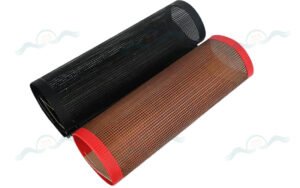
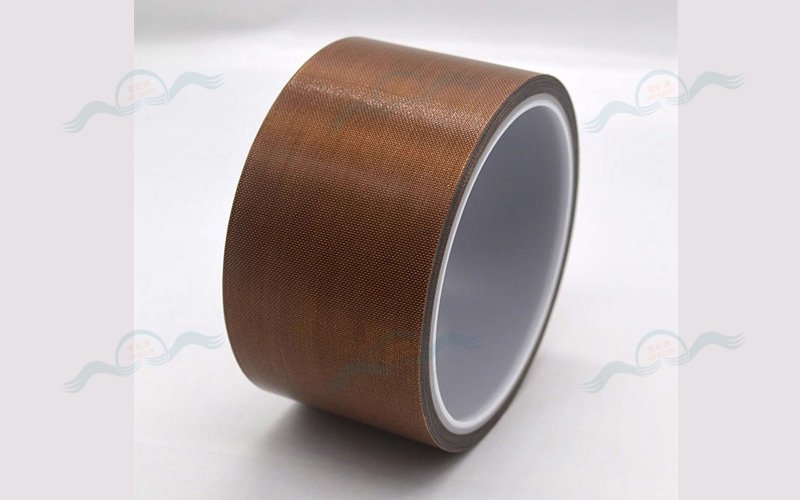
The temperature resistance of PTFE tape is primarily determined by the performance of its adhesive and is not affected by color. Whether it is PTFE fiberglass tape or pure PTFE film tape, both utilize the same silicone adhesive system. Consequently, the long-term working temperature can reach 260°C, with short-term temperature resistance up to 280°C.
- PTFE Fiberglass Tape Colors: Mainly brown (amber/coffee) and black.
- PTFE Film Tape Colors: Mainly gray (dark gray for thinner gauges and light gray for thicker gauges).
- If clients have specific color-matching preferences, they can select from these options without worrying about color affecting thermal performance.
Main Causes of Edge Curling (Lifting) in PTFE Tape
Many companies report that the edges of their purchased PTFE tape frequently curl up after application. Based on technical analysis, we offer the following insights:
- Inferior Adhesive Quality: Market quality varies widely. To meet low-price demands, some manufacturers cut costs by using cheap, low-grade adhesives.
- Inadequate Tack / Viscosity Control: Weak tack causes the tape to lift after long-term application. Many factories lack testing equipment and rely on intuition. Fearing adhesive residue (ghosting) at high temperatures, manufacturers conservatively lower the tack level, leading to general under-performance in adhesion.
- Improper Rewinding Tension: Excessive tension during rewinding creates internal stress, causing edge de-bonding and curling when peeled from the release liner.
- Incompatible Surface Geometry: Applying tape onto spherical or highly curved surfaces creates uneven stress distribution, resulting in wrinkles and edge curling.
- Substrate Thickness: Under the same adhesive strength, thicker tapes exhibit higher bending stiffness and are more prone to edge curling. Customers should select the appropriate thickness through sample testing.
Material Selection, Application & Storage Guidelines
- Storage of Remaining Tape: PTFE tape consists of a smooth PTFE fabric or film with a silicone pressure-sensitive adhesive. Solvents are added during production. Unused rolls must be sealed in plastic wrap to prevent solvent evaporation, extending the shelf life to over 1 year.
- Temperature-Based Selection:
- Below 100°C (no pressure): Economy grade can be selected to reduce costs.
- 100°C – 150°C: Medium grade is recommended.
- Above 150°C: Premium high-temperature grade must be used. (Note: Choosing the wrong grade often leads customers to misjudge overall tape quality.)
- Pre-Application Surface Preparation: Before applying, equipment, mold, or container surfaces must be thoroughly cleaned of dust and oil using alcohol or toluene. Ensure smooth application during installation (preferably applied by 2–3 people for large surfaces).