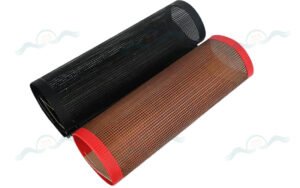

Storage, Transportation, and Maintenance Guidelines for PTFE Teflon Tape
Ⅰ. Storage & Transportation Requirements
Tape must be stored in a warehouse — protected from direct sunlight and rain exposure. Keep away from acids, alkalis, oils, and organic solvents at all times. Maintain a clean, dry storage environment. Keep at least 1 meter away from heat-generating equipment. Storage temperature: -15°C to 40°C.
Tape must be stored in roll form — never folded. For tape stored for extended periods, rotate rolls once per quarter to prevent permanent deformation.
When loading and unloading conveyor belts, use a crane with a spreader bar for smooth, even lifting — prevents belt edge damage. Never use rough or forceful handling methods that could cause loose winding or roll deformation.
Select tape type and specifications rationally based on actual application requirements and specific operating conditions.
Never connect or combine tapes of different types, specifications, grades, tensile strengths, or fabric layer counts in the same conveying system.
Conveyor belt splicing joints should preferably use heat vulcanization bonding to maximize joint reliability and maintain the highest possible effective tensile strength.
The conveyor roller diameter and the minimum pulley diameter of the conveyor belt must comply with applicable technical specifications and standards.
Prevent belt snaking or creeping during operation. Ensure all carrier rollers and guide rollers rotate freely. Maintain appropriate belt tension — neither too tight nor too slack.
Where conveyors are equipped with scrapers or cleaning devices, ensure these components do not cause abrasion or damage to the belt surface.
Cleanliness is a fundamental condition for good belt performance. Foreign substances can cause eccentric loading, tension imbalance, and even belt fracture.
If early belt damage is detected during service, immediately investigate the root cause and carry out repairs — preventing minor issues from escalating into major failures.
Ⅱ. PTFE Tape in Rubber Industry Mold Release Applications
Key Advantages of the New PTFE Tape Mold Release Technology:
Ensures complete and clean mold release — substantially reduces reject and defect rates
Easy demolding — reduces operator labor intensity and physical effort
Eliminates release agents — reduces material costs and environmental pollution; prevents interference with rubber vulcanization and bonding performance
No rubber compound adhesion to molds — eliminates production shutdown for mold cleaning; significantly improves production efficiency while reducing mold wear and energy consumption
Uniform surface gloss on finished products — substantially elevates product quality grade and appearance consistency
Excellent PTFE coating adhesion — highly resistant to peeling and detachment; outstanding long-term durability
Specific Advantages for Shoe Mold Applications:
Easy mold release — prevents molds from sticking to rubber compound pellets
No release agent required — eliminates adhesion interference and environmental contamination
Matte rubber outsoles with uniform, consistent color throughout
Reduces color bleeding and mixing in multi-color rubber outsole production
Phylon (secondary vulcanization) molds require no pre-application of soap water — accelerates production speed and reduces contamination
Substantially reduces reject and scrap rates
Coating service life exceeds 4,500 production cycles