Engineering Selection Guide for High-Temperature Conveyor Belts: Silicone vs. PTFE (Teflon) Applications
Selecting the appropriate high-temperature conveyor belt is critical for ensuring continuous operational stability across industrial thermal processing lines, including high-temperature drying, UV curing, food baking, and chemical spraying. Incorrect material selection leads to premature thermal aging, material adhesion, and surface delamination.
I. Thermal Regime and Material Matching
- Silicone Conveyor Belts: Optimal for mid-temperature regimes and short-duration thermal spikes. Silicone provides excellent elastic flexibility for light-duty food processing and automated conveyor assemblies.
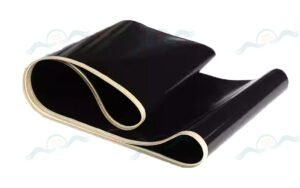
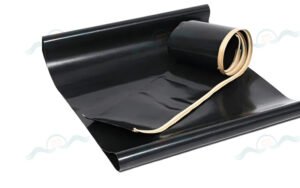
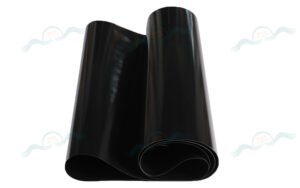
- PTFE (Teflon) Conveyor Belts: Engineered for sustained, high-temperature continuous operations. PTFE maintains structural integrity under constant thermal stress, drastically mitigating heat-induced material degradation.
II. Material Properties and Surface Coatings
- Viscous and Sticky Compounds: For conveying sticky media such as syrups, hot-melt adhesives, and un-cured resins, PTFE belts feature superior anti-adhesion surfaces that simplify online cleaning.
- Food & Chemical Exposure: Food-grade silicone belts are tailored for greasy or mildly acidic food contact lines. For environments involving aggressive acids, alkalis, or organic chemical solvents, corrosion-resistant PTFE belts offer superior chemical immunity.
III. Regulatory Compliance and Quality Verification
- Food Contact Standards: Food-grade silicone belts require certified food-contact testing documentation (e.g., FDA compliance) to ensure hygiene compliance.
- Batch Inspection Metrics: PTFE belts must be verified against batch test certificates for heat resistance and chemical inertness to reduce line downtime.
IV. Custom Fabrication and Machine Architecture Integration
- Perforated Silicone Belts: Suitable for drying lines requiring vacuum hold-down or air ventilation. Silicone tolerates precise punching without cracking or structural deformation around hole edges.
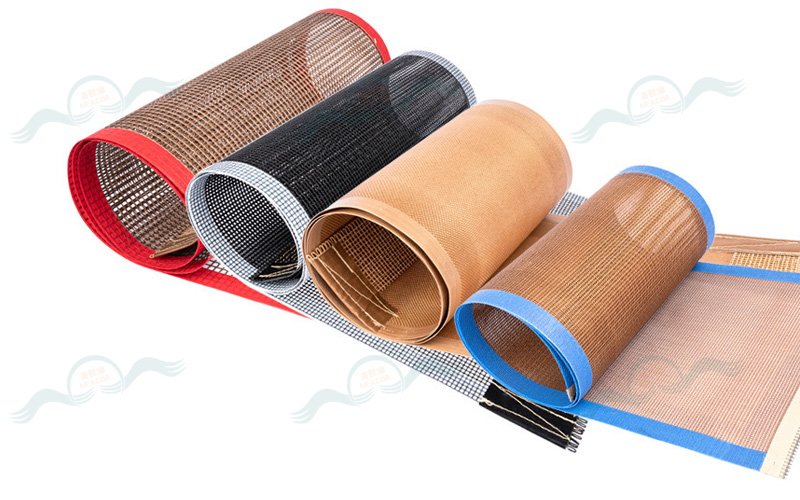
- PTFE Belts with Tracking Guides: For long-span lines prone to misalignment, PTFE belts custom-fitted with tracking guides ensure straight running stability on high-speed, high-temperature equipment.
V. Industrial Procurement Strategy
Procurement decisions must balance initial cost against total operational life. Standard sizes fit basic conveyors, whereas custom widths, thicknesses, and edge reinforcements match unique equipment parameters, reducing edge wear, mistracking, and premature aging.