How to Select PTFE Mesh Conveyor Belts: Mesh Size, Air Permeability & Specification Reference Guide
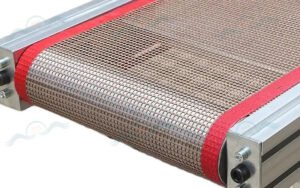
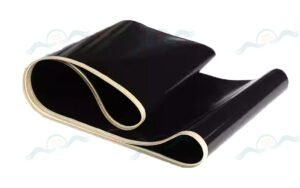
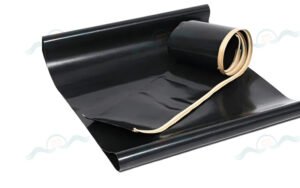
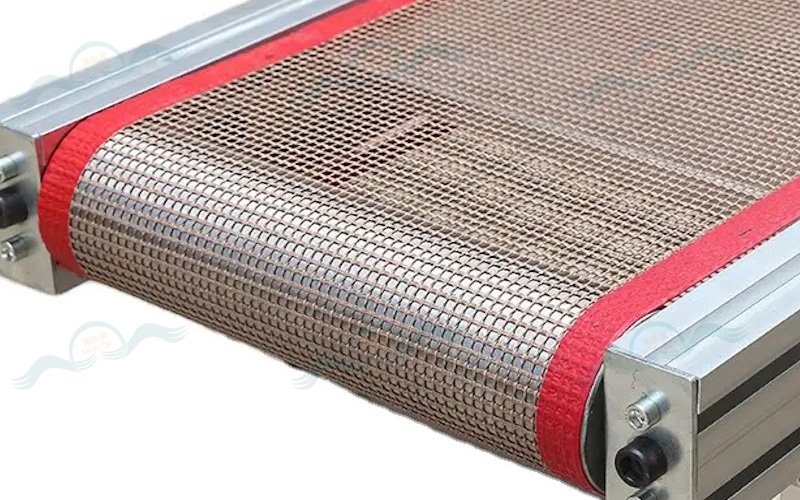
PTFE mesh conveyor belts — also known as Teflon mesh belts or PTFE open-mesh conveyor belts — are manufactured using fiberglass mesh fabric as the substrate, impregnated with a PTFE coating to form an open-cell conveying belt. The key difference from solid flat belts is the open mesh structure, which allows air, water, and heat to pass through freely — making it particularly suited for drying, heat-setting, cooling, and other processes requiring medium penetration.
Selection Factor 1: Mesh Size
Mesh size determines aperture dimensions and air permeability. Common specifications — 1×1, 2×2, 4×4, 10×10 — represent the number of mesh openings per inch in the warp and weft directions. Higher mesh count = smaller apertures, suitable for small or fine materials. Lower mesh count = larger openings, suitable for large items or applications requiring strong airflow and ventilation.
Selection Factor 2: Width & Length
Belt width should be determined based on the equipment’s effective working width — generally slightly narrower than the roller face width. Belt length is calculated based on the equipment centerline distance, with allowance added for tensioning travel and splice joint length.
Selection Factor 3: Splice Joint Type
Common splice options include steel clip fastener joints, spiral loop joints, and seamless (endless) joints. Steel clip joints are easy to install and cost-effective — suitable for general drying lines. Spiral loop joints provide smooth, low-noise operation. Seamless belts offer the highest strength and best tracking stability — ideal for high-precision and high-tension applications.
Selection Factor 4: Edge Treatment
Belt edges can be finished with edge binding, fitted with side guards, or reinforced through weaving — preventing edge fraying and belt tracking deviation. For high-speed equipment, edge treatment quality directly determines service life.
Selection Factor 5: PTFE Coating Weight
For the same mesh specification, higher coating weight delivers greater rigidity and better wear resistance — but air permeability decreases slightly. Food baking applications typically use light coating weight (soft hand feel and good breathability); industrial high-temperature conveying applications use heavy coating weight (longer service life and superior durability).
Common Applications:
Textile stenter heat-setting machines, food baking tunnel ovens, printing UV curing lines, electronic component drying lines, nonwoven fabric hot-air heat-setting, plastic product cooling lines, and similar processes. Different operating conditions have different mesh size and material requirements — when purchasing, it is best to provide material dimensions, process temperature, operating speed, and belt tension parameters.
Operating & Maintenance Notes:
- Maintain symmetrical tension and parallel roller alignment; avoid off-center loading
- Release belt tension after equipment shutdown to prevent long-term stress deformation
- Regularly inspect splice joints and belt edges; prompt repair of any damage significantly extends service life