Storage, Transportation, Maintenance and Splicing Guide for PTFE Conveyor Belts & Silicone Coated Fabrics
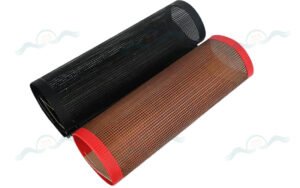
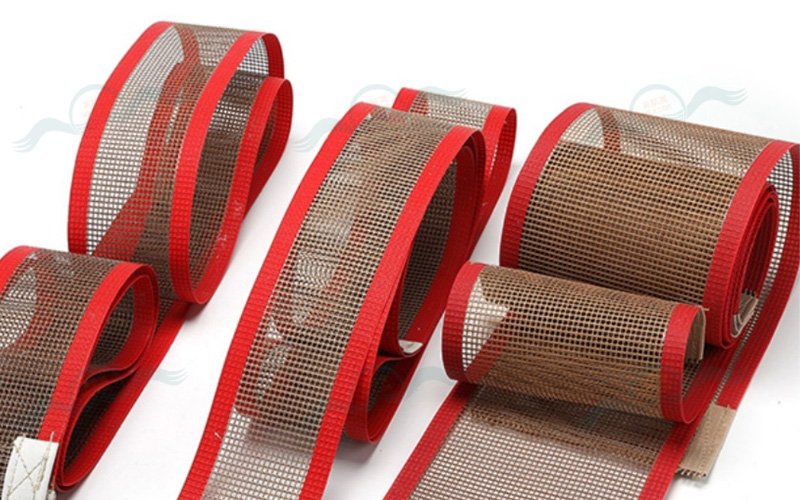
PTFE conveyor belts are high-performance, multi-purpose composite material products manufactured by coating fiberglass cloth with PTFE (Teflon) through a specialized production process. To maximize service life and minimize wear, please observe the following eleven key details during storage, transportation, and daily maintenance:
- Proper Storage Environment: Store PTFE conveyor belts in a suitable warehouse, protecting them from harsh weather such as direct sunlight and rain. Avoid direct contact with acids, alkalis, oils, and organic solvents. Keep the storage area clean and dry, maintaining a distance of at least 1 meter from any heat source. Warehouse room temperature should be kept between -15°C and 40°C.
- Storage Position & Rotation: Conveyor belts must be stored in rolls without folding. If stored for an extended period, the rolls should be turned over/rotated once every quarter.
- Safe Handling & Loading: Use a crane for loading and unloading, employing rigging equipment with a spreader bar to lift the rolls securely and prevent edge damage. Avoid rough handling at all costs.
- Correct Selection: Rationally select the type and specification of the PTFE conveyor belt based on operational requirements and specific working conditions.
- Prohibition of Mixed Usage: Do not connect or pair conveyor belts of different types, specifications, strengths, or ply counts together in the same system.
- Splice Reliability: Hot vulcanization is the preferred splicing method for conveyor belts to maximize operational reliability and maintain high effective tensile strength.
- Pulley Diameter Requirements: The diameter of conveyor drive rollers must comply with the minimum pulley diameter regulations specified for the belt.
- Preventing Tracking Issues: Prevent the belt from snaking or creeping. Keep idler rollers and vertical rollers flexible, and maintain proper belt tension.
- Wear Prevention: When the conveyor is equipped with baffles or cleaning devices, ensure they do not cause abrasive wear on the belt surface.
- Cleanliness: Cleanliness is fundamental to optimal belt operation. Foreign debris affects running performance, leading to tracking deviation (misalignment), uneven tension, or even belt breakage.
- Early Repair of Damaged Areas: If early signs of damage appear during operation, promptly investigate the cause and repair the damaged area immediately to prevent severe failure.
By adhering to these 11 points, damage during storage, transport, and maintenance will be significantly reduced, effectively extending the service life of your PTFE conveyor belt.
Silicone Fabric Adhesive (Splicing Glue) Guide
Specialized adhesive is frequently used for joining silicone-coated fabrics. It features rapid curing, no requirement for fixed clamping pressure or heating, high initial tack, strong bonding strength, excellent oil resistance, and high-temperature performance. However, improper usage can result in poor bonding. Please note the following guidelines when applying silicone fabric adhesive:
- Adhesive Components: Liquid component acts as the curing agent; white viscous component acts as the curing glue.
- Mixing Ratio (by weight): Curing Agent / Curing Glue = 7 : 100.
- Application Method: Mix the room-temperature curing adhesive according to the correct ratio, apply it evenly to the joint section of the silicone fabric, and immediately bond the ends together. Allow it to rest for 1 to 2 hours before use.
- Precautions: Prepared adhesive must be used within 30 minutes. To shorten the curing time, the mixing ratio of the curing agent can be moderately increased.
Our company manufactures various types of silicone-coated fabrics available in vermilion, blue-gray, black, white, and custom colors upon request. Inquiries are warmly welcomed.