
Widespread Industrial Applications of PTFE Adhesive Tapes
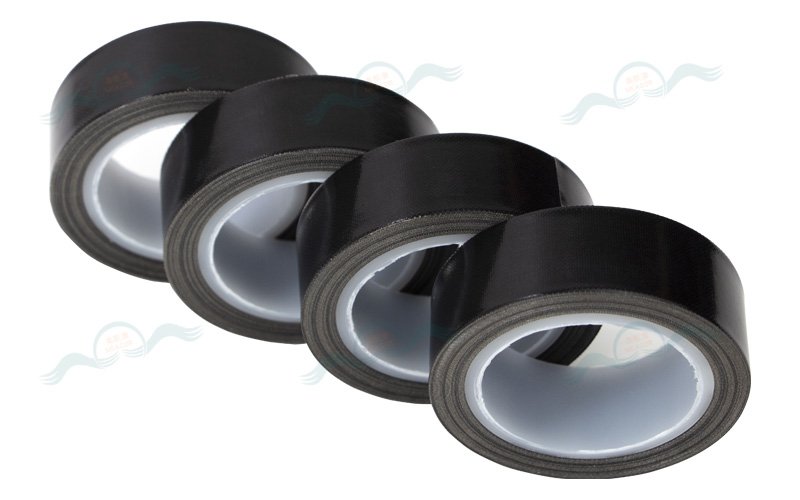
PTFE tape maintenance requires dry storage at 10-30°C, clean substrate pre-wiping, avoiding over-temperature, and gentle sanitation with neutral agents.
How to Select the Right PTFE High-Temperature Fabric for Specific Needs
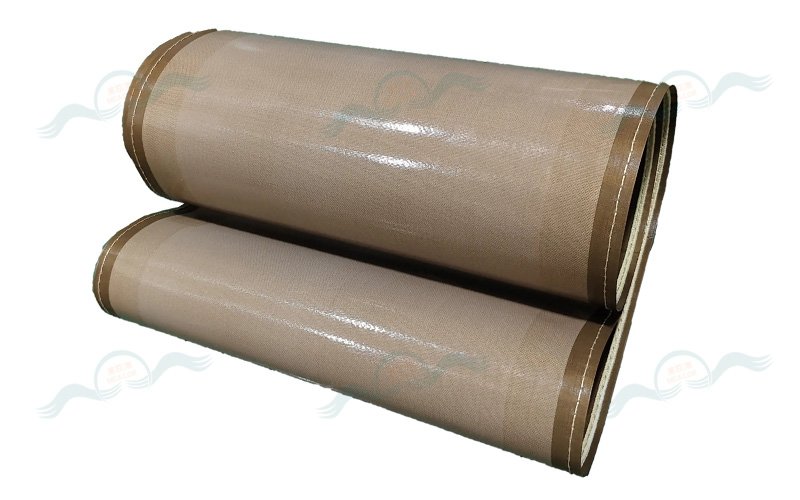
Selecting PTFE fabric requires matching the substrate to mechanical stress, coating to release needs, and checking 260°C limits alongside FDA or ESD specs.
Concrete Application Scenarios of PTFE Anti-Stick Fabric Tapes in the Food Processing Industry
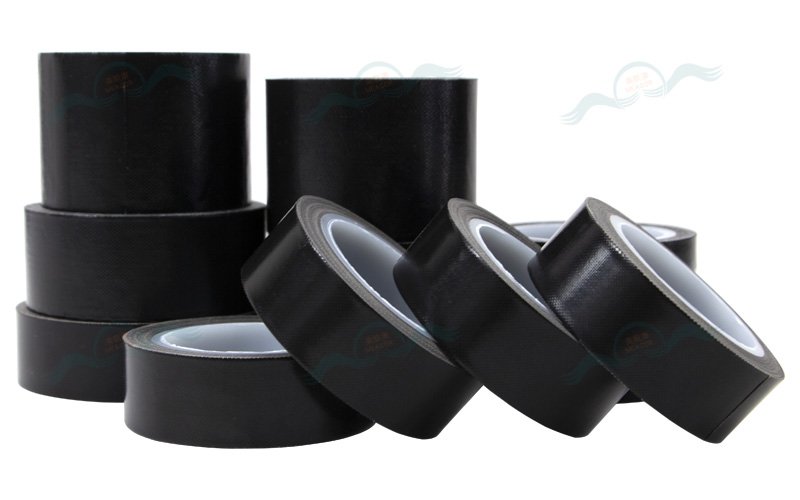
PTFE tape maintenance requires dry storage at 10-30°C, clean substrate pre-wiping, avoiding over-temperature, and gentle sanitation with neutral agents.
How to Ensure the Accuracy of High-Temperature Resistance Test Results for PTFE High-Temperature Tape?
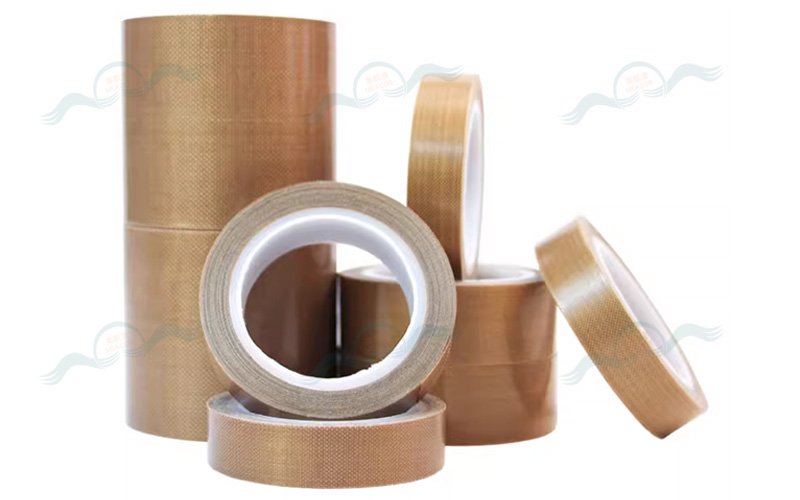
Accurate PTFE tape heat resistance testing requires standardized sampling, calibrated equipment, controlled environment, regulated procedures & quantitative data — minimum 5 specimens with control groups.
Operational Guidelines and Precautions for PTFE Conveyor Belts
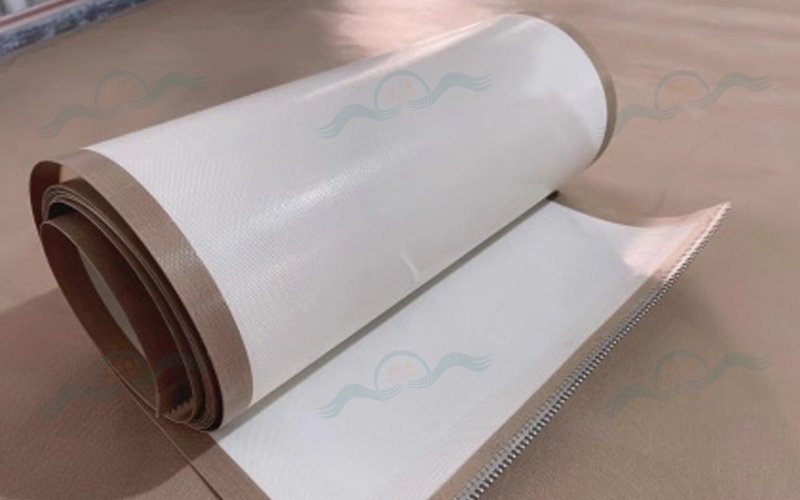
Replace PTFE conveyor belts if they show coating peeling, fabric delamination, splice cracks, elongation over ±2%, or chronic tracking bias.
How to Determine When to Replace a PTFE Conveyor Belt
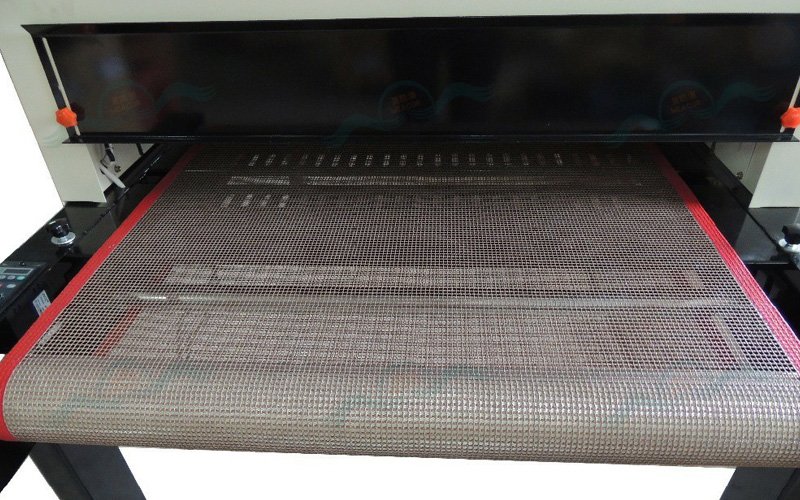
Replace PTFE conveyor belts if they show coating peeling, fabric delamination, splice cracks, elongation over ±2%, or chronic tracking bias.
Environmental Factors Affecting the Performance of PTFE Adhesive Tapes During Storage
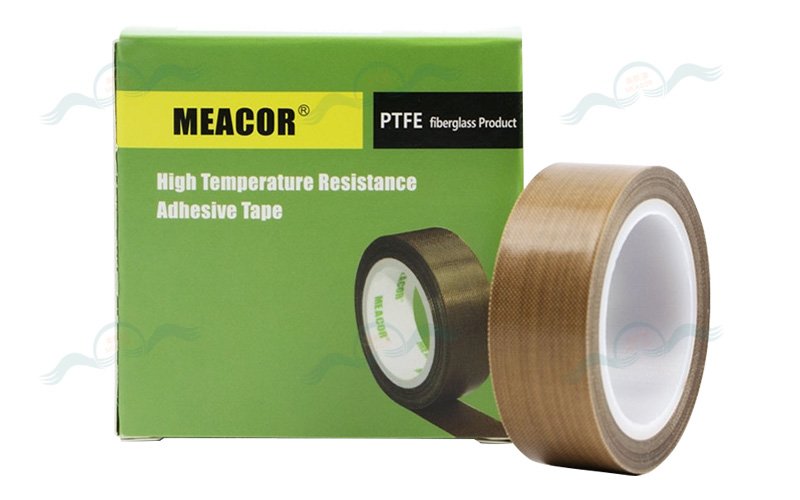
Storage temperature, humidity, UV exposure, and compression can degrade PTFE tape performance by destroying adhesive tack and backing flexibility.
What Are the Advantages of PTFE Anti-Stick Fabric Tape in Food Processing Industry Applications?
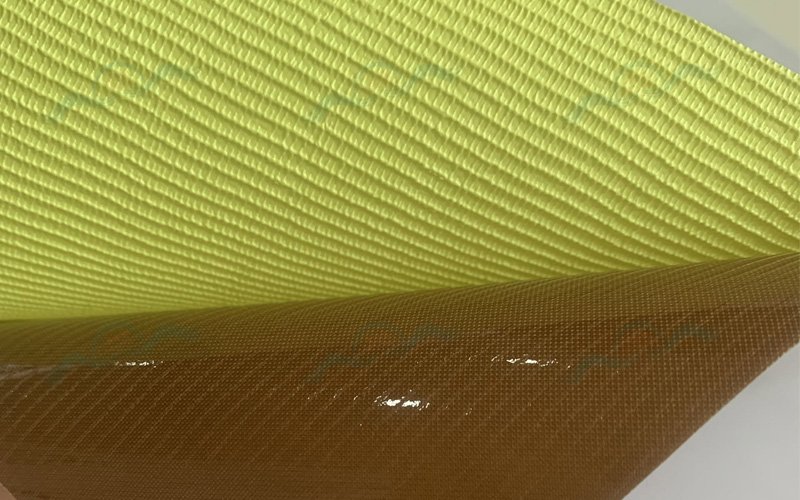
PTFE anti-stick tape — rated 260°C to -200°C, food-grade certified & non-stick — serves baking, conveying, heat sealing & demolding across food processing, cutting waste & boosting efficiency.
Chemical Corrosion Resistance of PTFE Adhesive Tapes
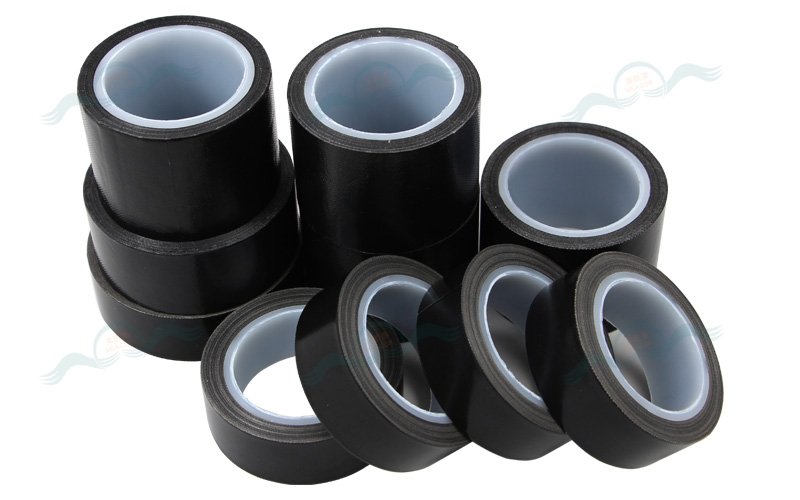
PTFE adhesive tapes provide elite resistance to strong acids, alkalis, and organic solvents, backed by silicone formulations for chemically harsh environments.
Common Applications of PTFE High-Temperature Fabrics
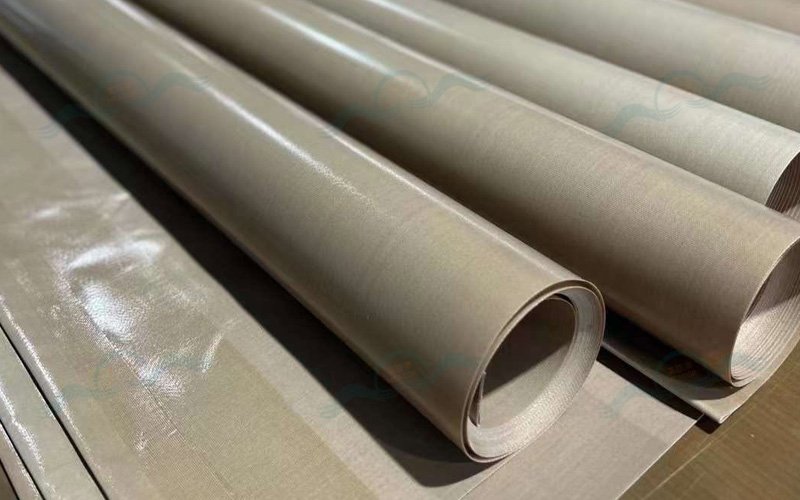
PTFE fabrics provide premium 260°C heat resistance and non-stick release for food baking, packaging sealing, PCB lamination, and solar PV encapsulation.
How to Test the Temperature Resistance Performance of PTFE High-Temperature Fabric?
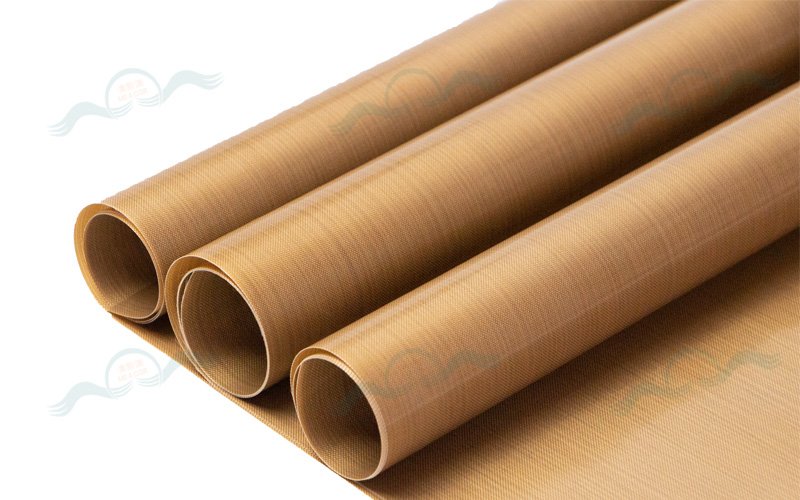
PTFE belt tracking deviation: static check first, then observe centerline offset & edge contact under no-load, compare loaded to distinguish true vs. false deviation — >5mm is minor, >20mm severe.
Determining Whether a PTFE Conveyor Belt Is Tracking Off-Center: Stopped Static Inspection Combined with Dynamic Running Observation
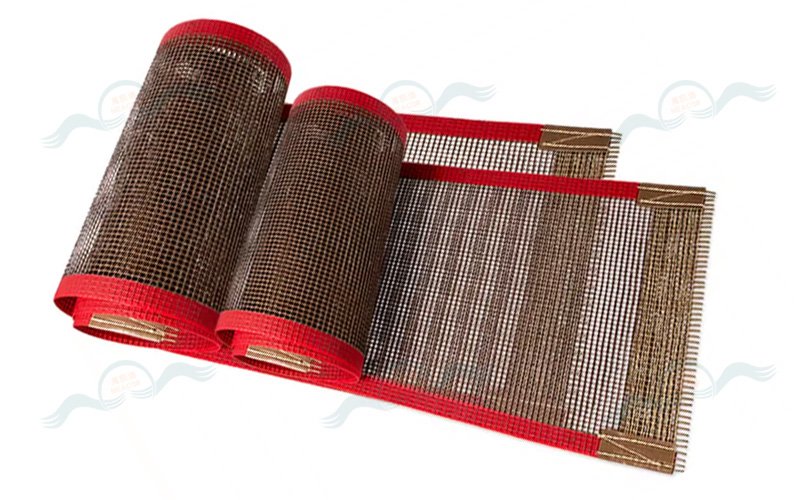
PTFE belt tracking deviation: static check first, then observe centerline offset & edge contact under no-load, compare loaded to distinguish true vs. false deviation — >5mm is minor, >20mm severe.