
How Is the Corrosion Resistance of PTFE High-Temperature Fabric?
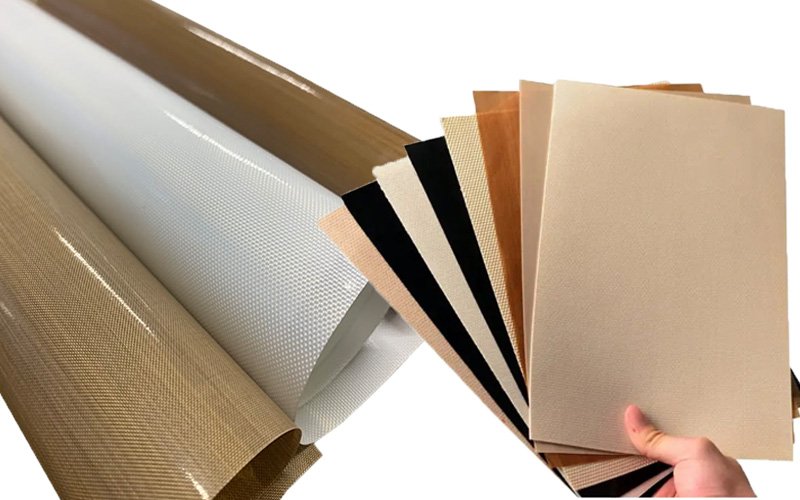
PTFE fabric resists strong acids, alkalis, solvents & oxidizers — only molten alkali metals, fluorinating agents & temps above 400°C are exceptions, ideal for chemical protection.
What Are the Consequences of PTFE Conveyor Belt Tracking Deviation?
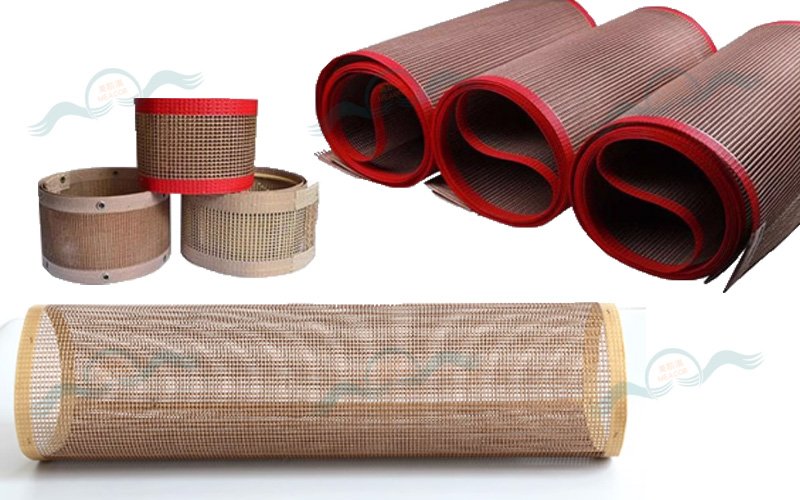
PTFE belt tracking deviation causes edge wear, material spillage, bearing damage, product defects & safety risks — requiring immediate correction to prevent costly downtime.
What Are the Storage Conditions for PTFE Teflon Tape?
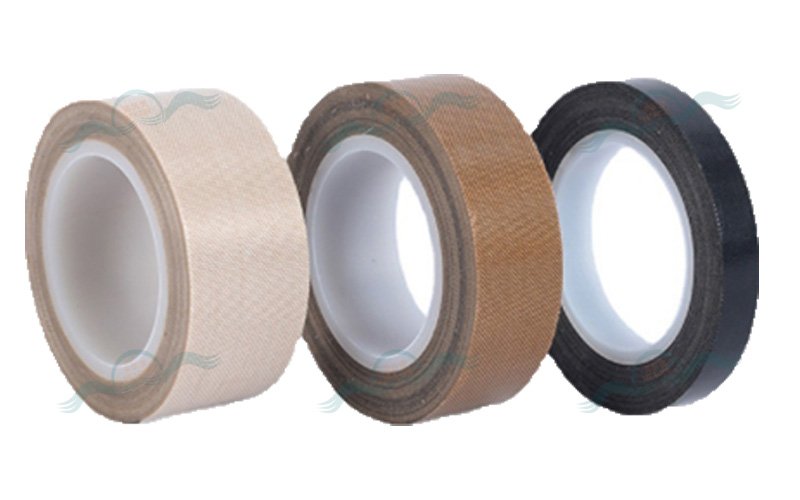
PTFE tape storage requires cool, dry, light-protected conditions at 16–27°C, 40–60% RH, roll form, chemical-free zones & FIFO — shelf life 12–18 months for most products.
What Are the Advantages of PTFE High-Temperature Fabric in Photovoltaic Production?
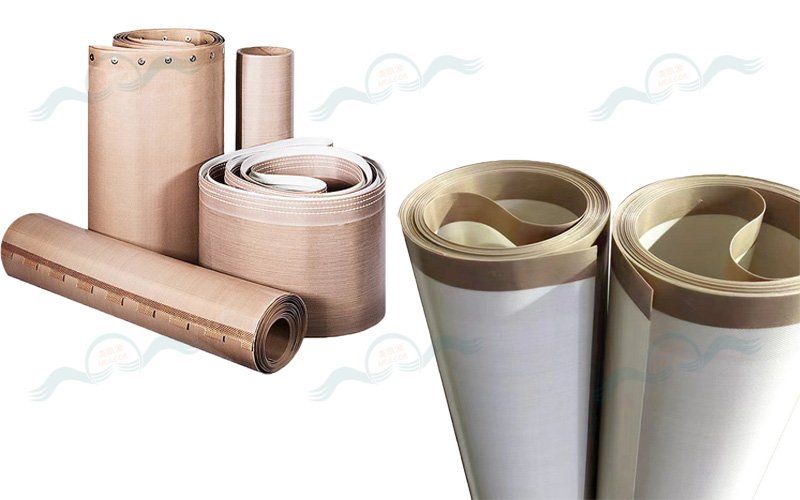
PTFE fabric’s 8 core advantages — extreme heat resistance, non-stick, chemical stability & precision — make it essential for PV lamination, cutting costs 30% with 99.5% yield.
What Is the Condition of PTFE Teflon Tape When Used in Low-Temperature Environments?
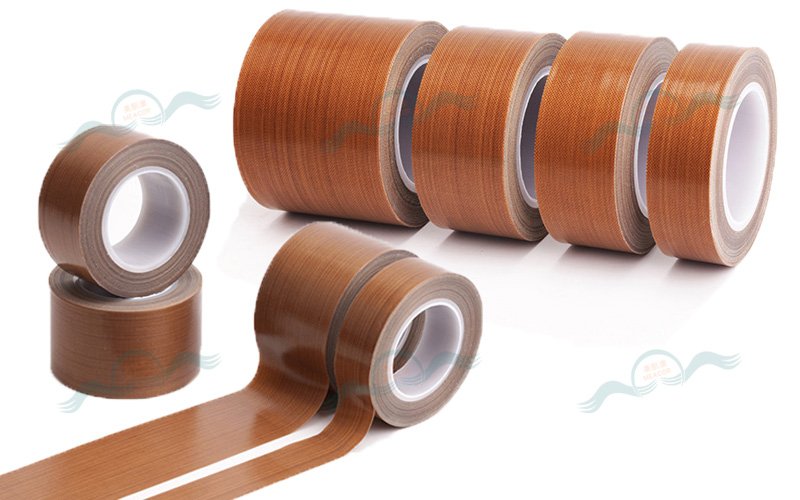
PTFE tape substrate stays flexible to -196°C, but adhesive tack drops below -70°C — cryogenic use requires specialist grades or adhesive-free mechanical fixation solutions.
What Are the Application Scenarios for PTFE Teflon Tape in Low-Temperature Environments?
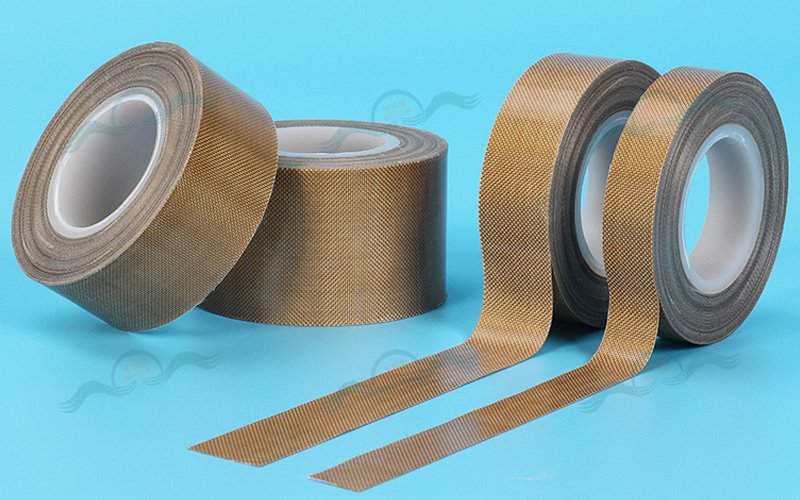
PTFE tape operates stably from -73°C to -196°C — serving aerospace, LNG, food, pharma & cold chain with flexible, non-brittle, reliable cryogenic sealing performance.
How Does the Dielectric Voltage Withstand Performance of PTFE High-Temperature Fabric Change at Different Temperatures?
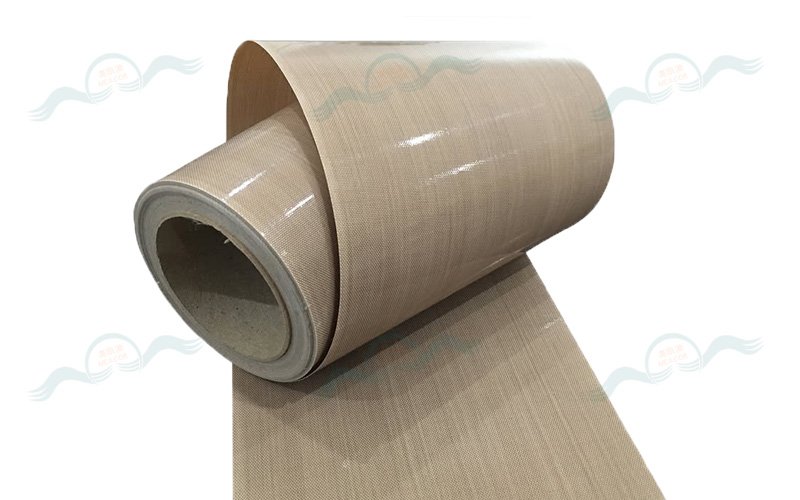
PTFE fabric dielectric strength stays stable from -70°C to 260°C with <10% loss — only declining significantly near the 327°C melting point, ideal for high-temp insulation.
How to Correctly Use PTFE Teflon Tape to Ensure Its Temperature Resistance Performance?
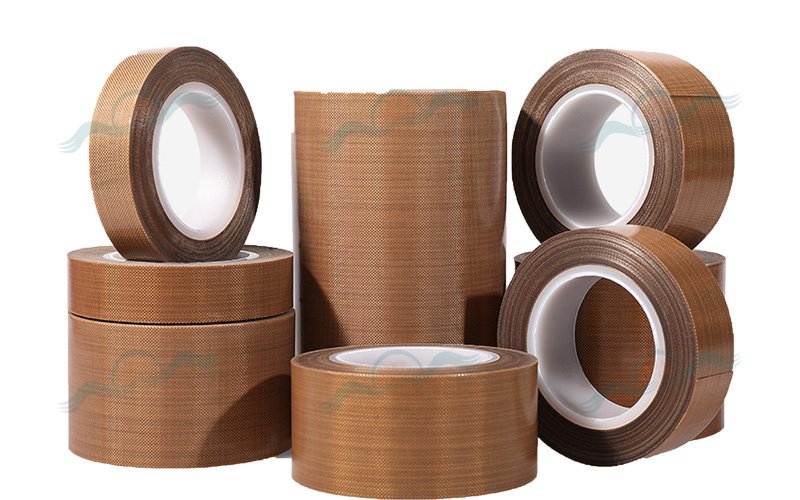
Correct PTFE tape use requires right product selection, clean surface, bubble-free installation, temperature control ≤260°C & regular inspection to maximize heat performance.
What Specific Methods Can Improve the Intrinsic Thermal Stability of PTFE?
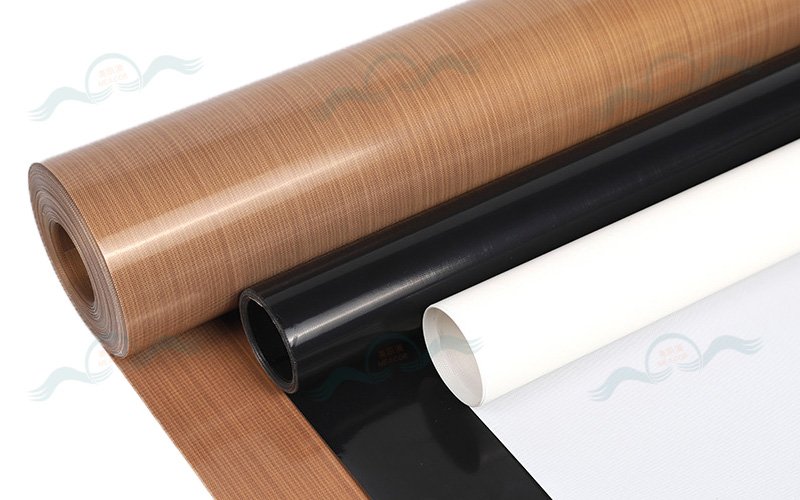
Cross-linking, high-purity raw materials, precision sintering & nano-fillers raise PTFE thermal stability by 20–50°C operating limit and 30–80°C decomposition temperature.
How to Improve the Temperature Resistance Performance of PTFE Teflon Tape?
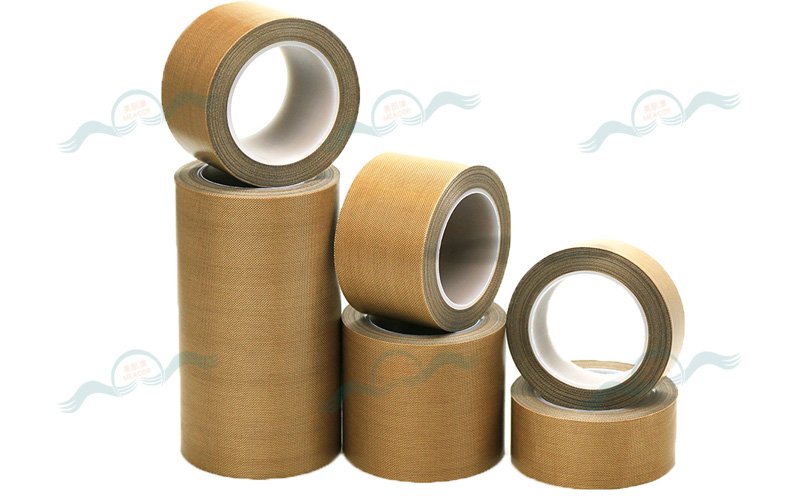
Substrate cross-linking, silicone adhesive upgrade & high-temp sintering raise PTFE tape continuous rating from 260°C to 300°C+ with 350°C short-term peak tolerance.
What Are the Applications of PTFE Teflon Tape in the Electrical Insulation Field?
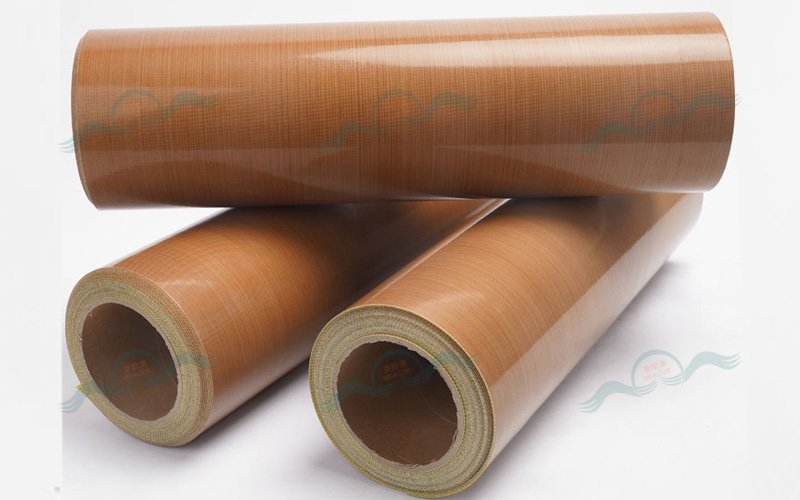
PTFE tape with 30–40kV dielectric strength & low loss insulates motors, cables, components & HV equipment — the top insulation choice for high-freq & high-temp conditions
What Factors Are Related to the Temperature Resistance Performance of PTFE Teflon Tape?
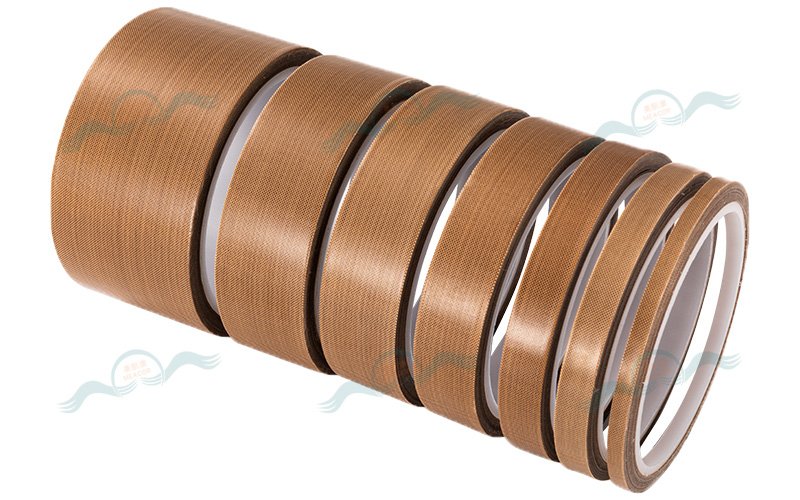
PTFE tape heat resistance is shaped by substrate purity, adhesive type, thickness, fillers, composite structure & operating conditions — substrate & adhesive are key limits