PTFE baking mats from Anhui Meacor offer SGS-certified non-stick, -70°C to 400°C heat resistance, dishwasher-safe & food-contact-safe performance — reusable & cuttable to any oven size.

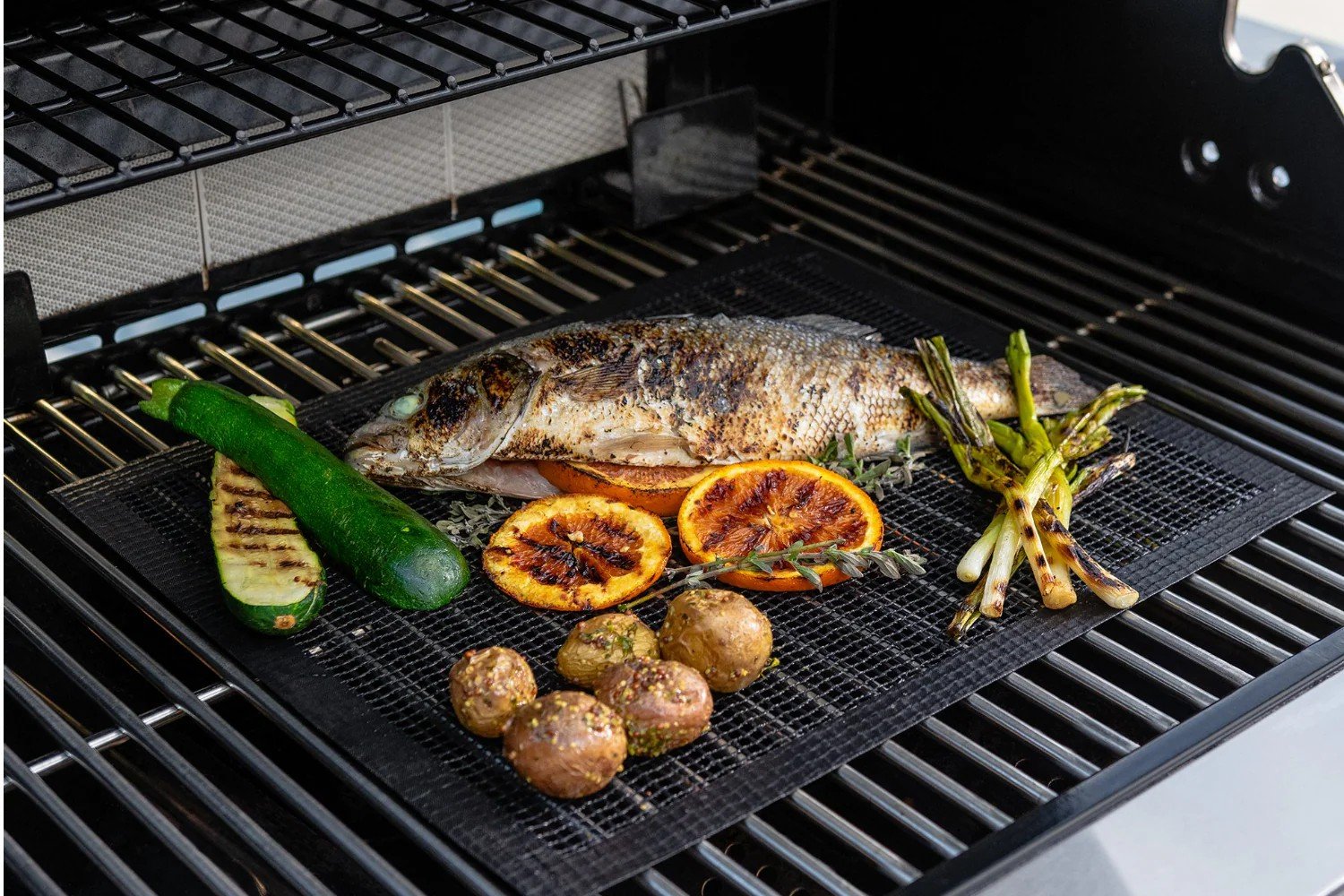
PTFE baking mats from Anhui Meacor offer SGS-certified non-stick, -70°C to 400°C heat resistance, dishwasher-safe & food-contact-safe performance — reusable & cuttable to any oven size.
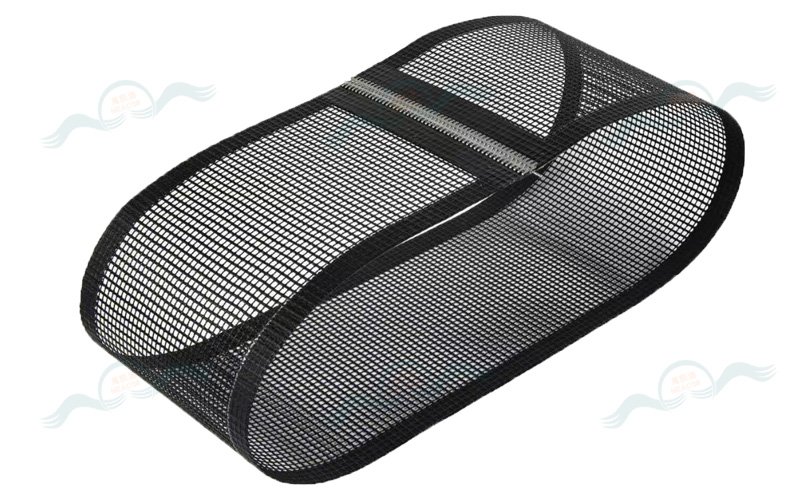
PTFE conveyor belts serve extreme temperatures (-196°C to 300°C), sticky product conveying, chemical & pharma transport, and electronics — leveraging non-stick, corrosion-resistant & insulating properties.
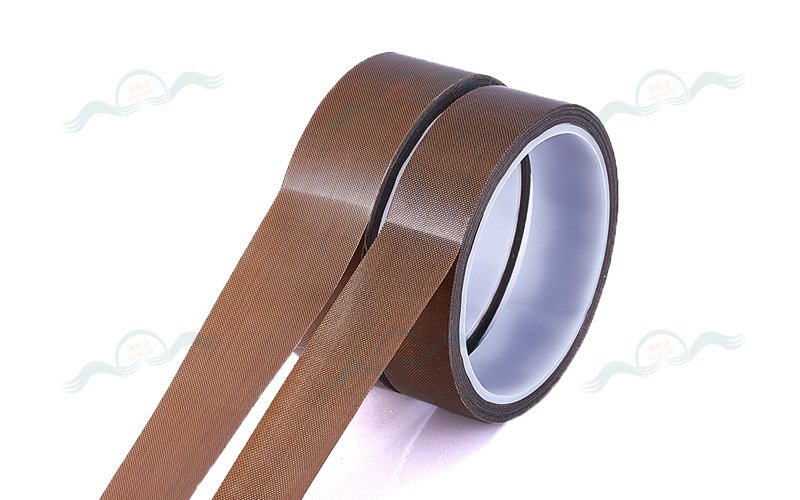
PTFE-coated PI tape for PCB production balances 100°C heat resistance, zero adhesive residue & 80N/cm adhesion — enabling stable high-temp fixation with clean, residue-free removal.
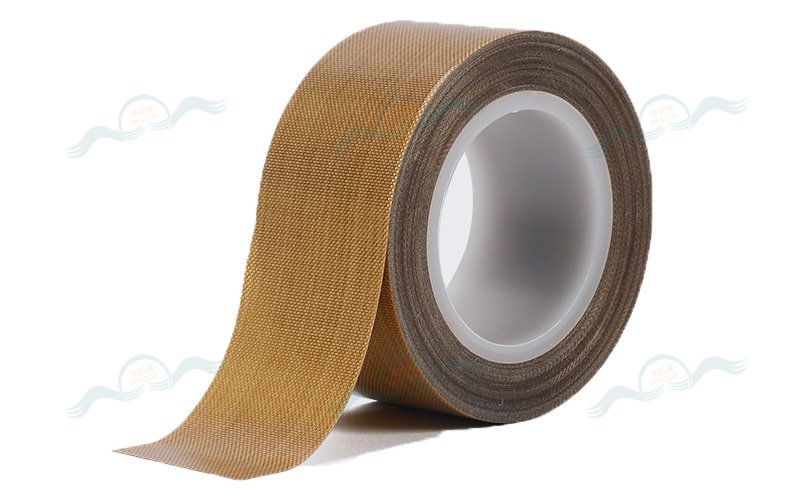
PTFE tape smooths handle surfaces, increases grip friction & reduces sweat-induced slippage — a simple, effective solution to prevent controller drift and handle displacement.
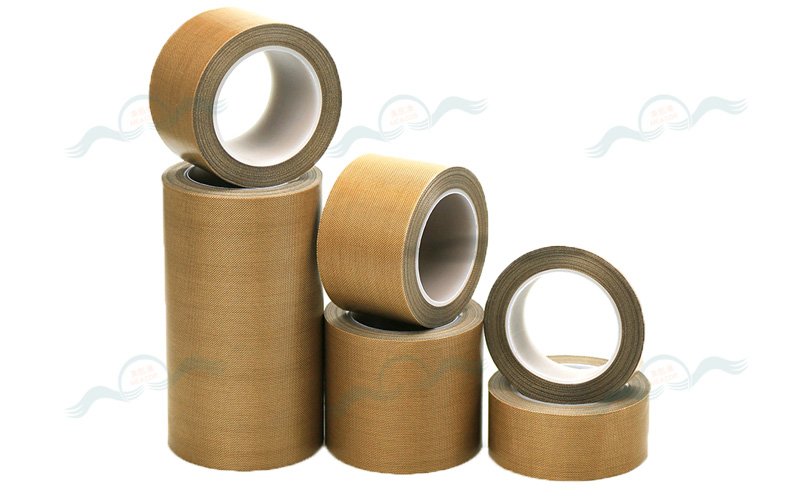
PTFE fabric-reinforced tape with silicone PSA delivers 300–350°C stability, 60% lower CTE vs PET & zero tear risk — evaluate by friction coefficient, dielectric strength & crystallinity.
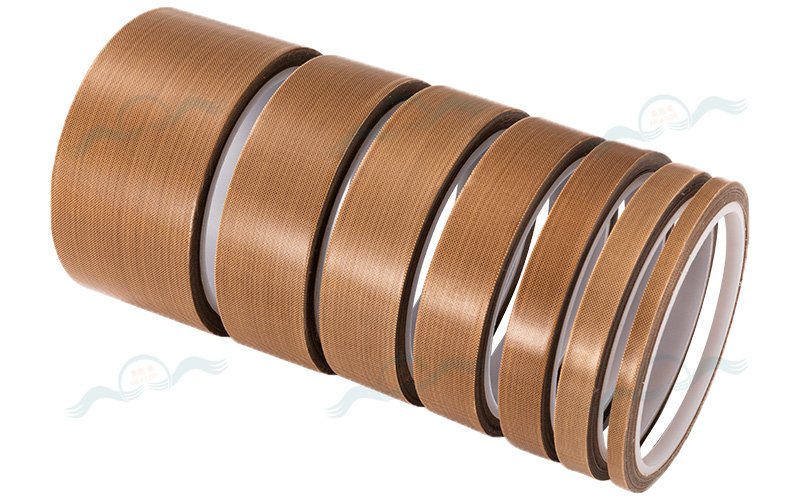
PTFE tape with silicone coating combines PTFE's chemical inertness & non-stick back face with a pressure-sensitive silicone front face — delivering asymmetric adhesion for complex industrial applications.
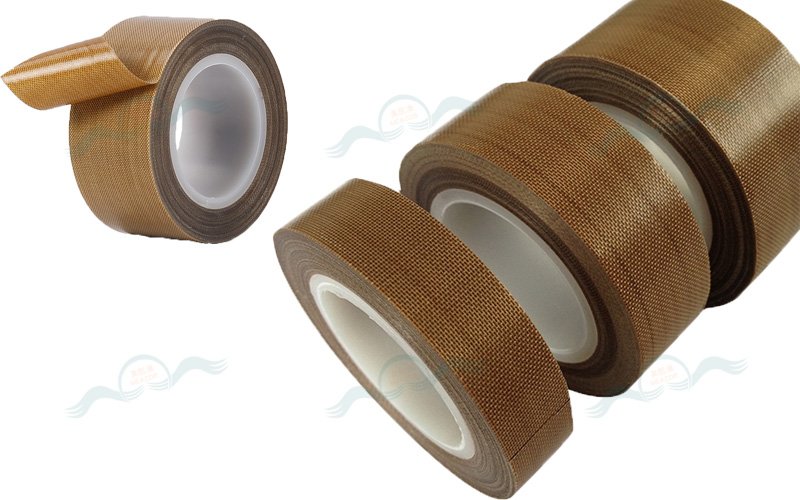
PTFE tape's 260°C heat resistance stems from stable C-F molecular helical structure — enhanced by biaxial orientation, silicone PSA & surface treatment; performance varies by thickness & process control.
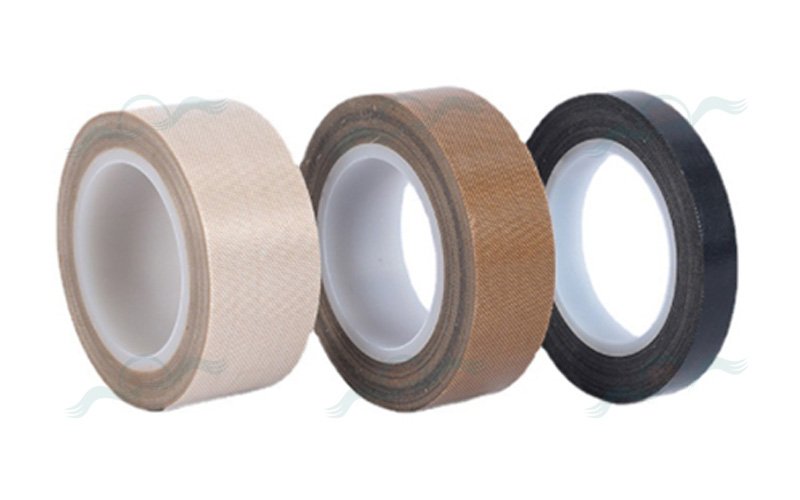
Silicone-coated PTFE tape combines fiberglass strength, non-stick release, and wide-temp silicone adhesive for residue-free heat sealing and cable drying.
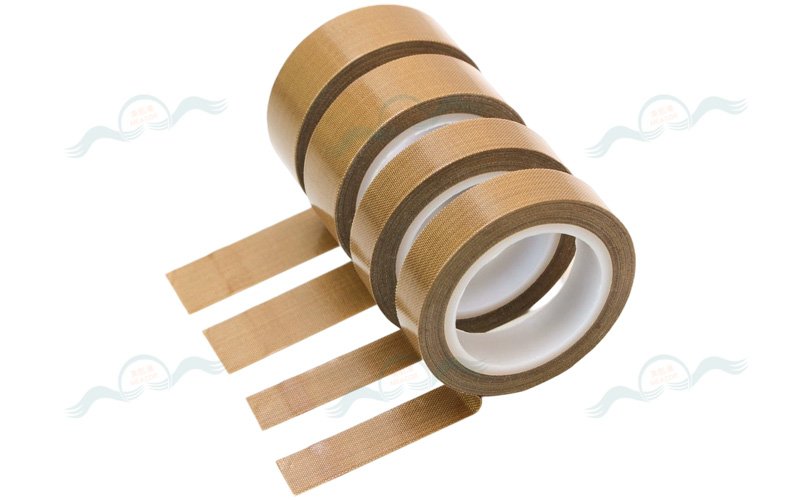
Anti-scalding PTFE tape combines low thermal conductivity with silicone adhesive to prevent contact burns and sticking on hot rollers, pipes, and ovens.
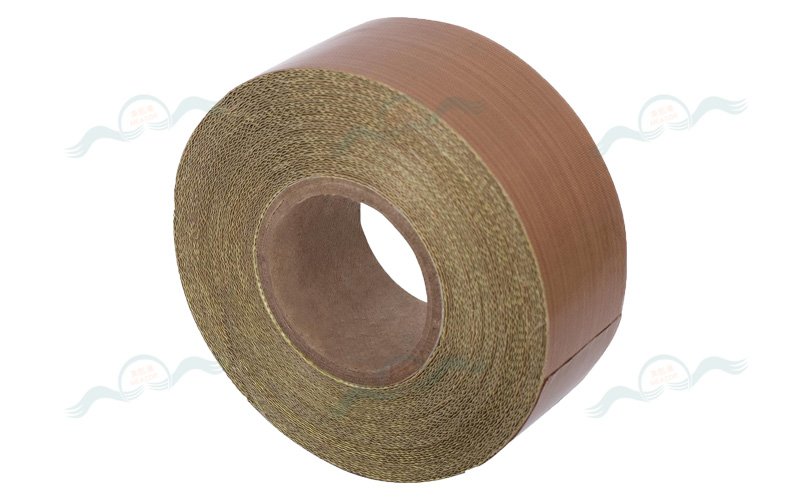
PTFE fabric tape achieves 300°C+ heat resistance through three-layer synergy — PTFE coating, fiberglass substrate & silicone adhesive — balancing thermal stability, flexibility & sustained adhesion.
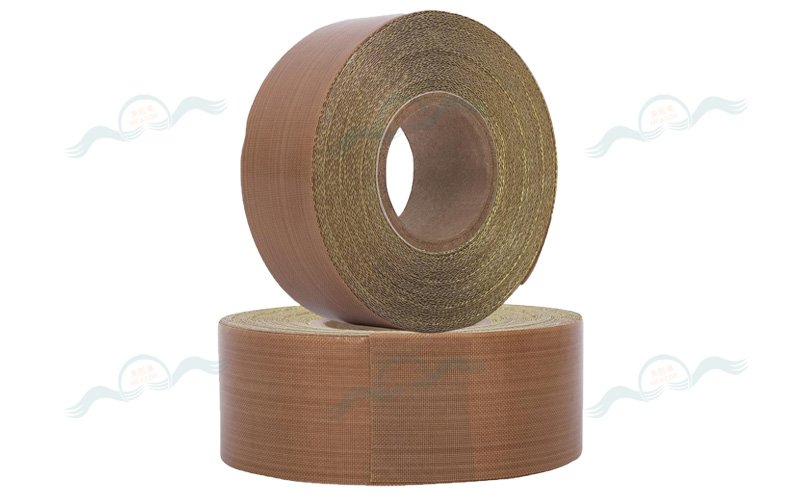
PTFE tape for laminating machine rollers delivers chemical inertness, non-stick low surface energy & wide heat resistance — reducing adhesion, corrosion & friction to optimize production.
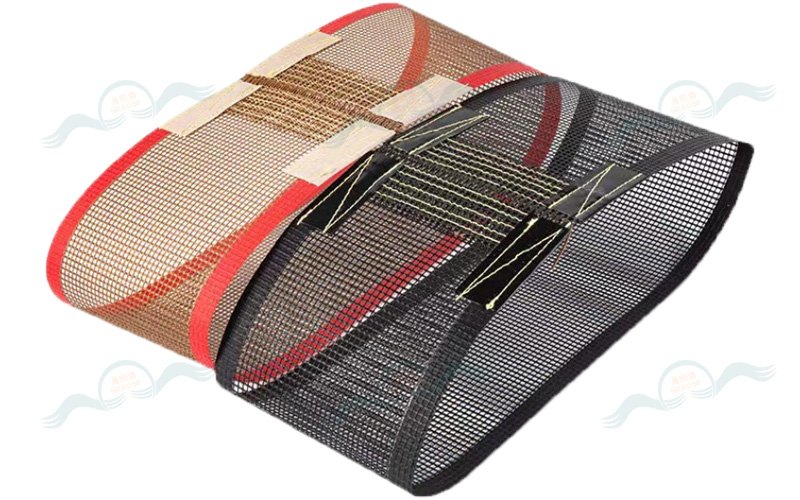
PTFE fabric weaving density nonlinearly affects tensile strength, stability, coating adhesion, air permeability & smoothness — optimal 7–12 threads/cm; select by application priority.