PV lamination demands PTFE fabric with ≥200°C heat resistance, ≤8% compression at 150kPa, Ra≤1.5μm non-stick surface, uniform air permeability & stability for 8,000+ lamination cycles.

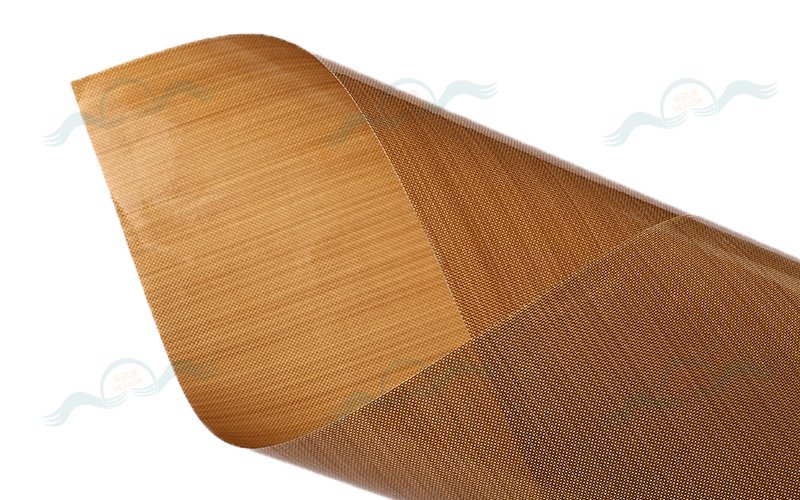
PV lamination demands PTFE fabric with ≥200°C heat resistance, ≤8% compression at 150kPa, Ra≤1.5μm non-stick surface, uniform air permeability & stability for 8,000+ lamination cycles.
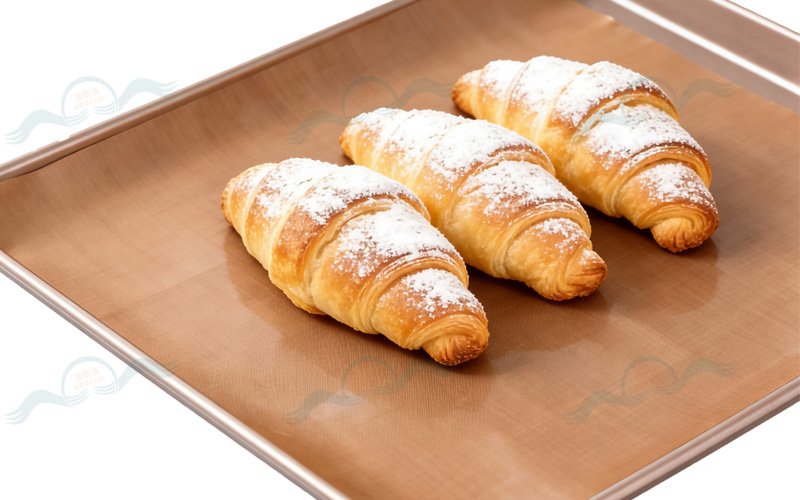
PTFE fabric excels at -196°C to 260°C for conveyor belts, FDA food baking, composite mold release, chemical filtration, and electrical insulation.
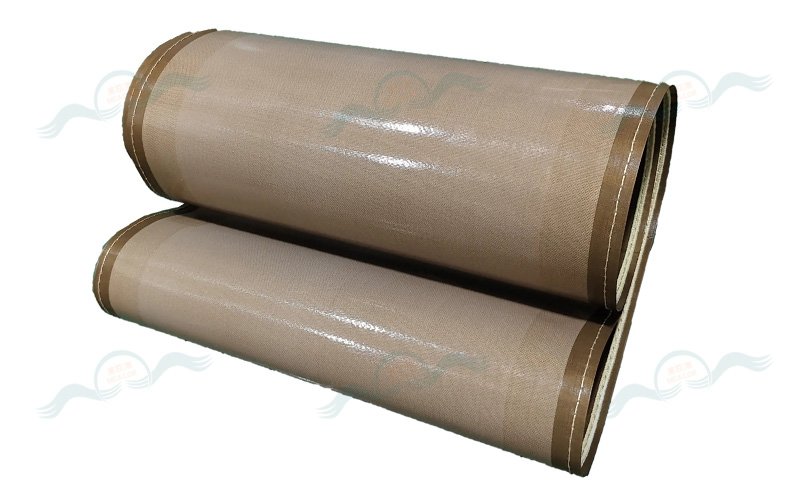
PTFE fabric fiberglass content determines performance trade-offs: high content boosts strength & heat stability; low content improves flexibility & chemical resistance — select by application.
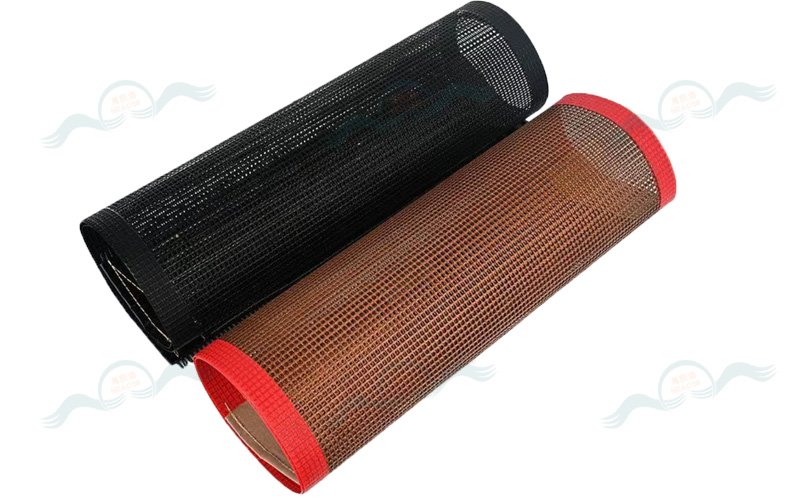
English: PTFE belt deviation repair follows diagnose→correct→treat: center loading, align rollers, adjust idlers, balance tension & repair splices — max 1mm per adjustment, trial-run to verify.
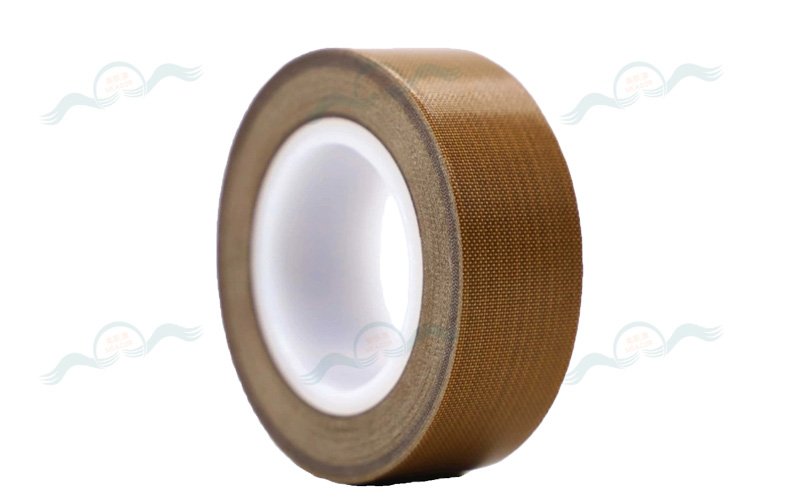
Evaluate PTFE tape safety via FDA/RoHS certifications, silicone adhesive purity, strict 260°C thermal limits, and verified non-toxic outgassing reports.
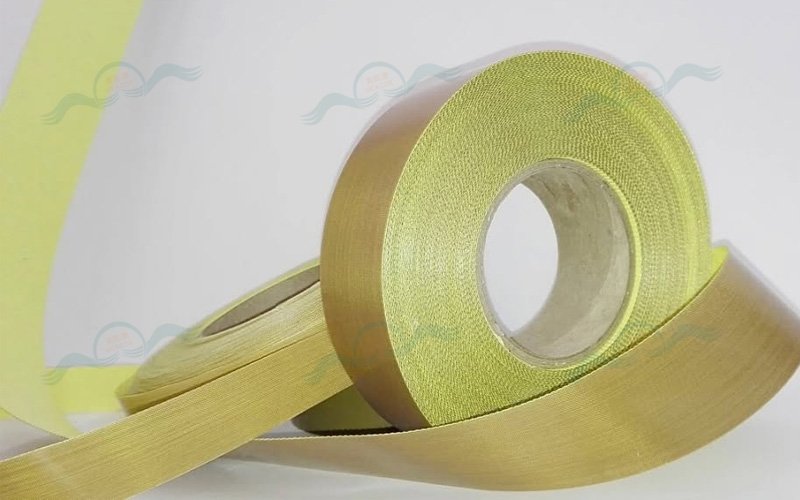
PTFE tape prices are driven by substrate type, silicone vs. acrylic adhesive, gauge thickness, FDA/ESD specs, brand premiums, and purchase volume scale.
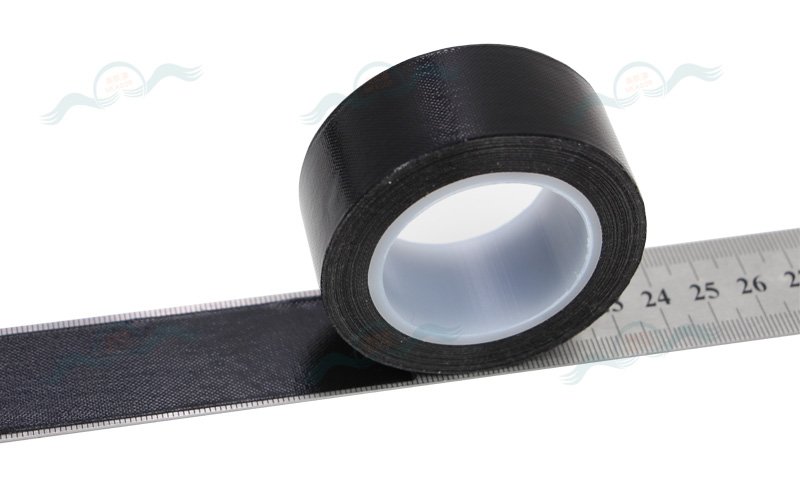
PTFE tapes provide chemical-free mold release, eliminate residues, and deliver uniform matte finishes for rubber curing and shoe outsole molding up to 4500 cycles.
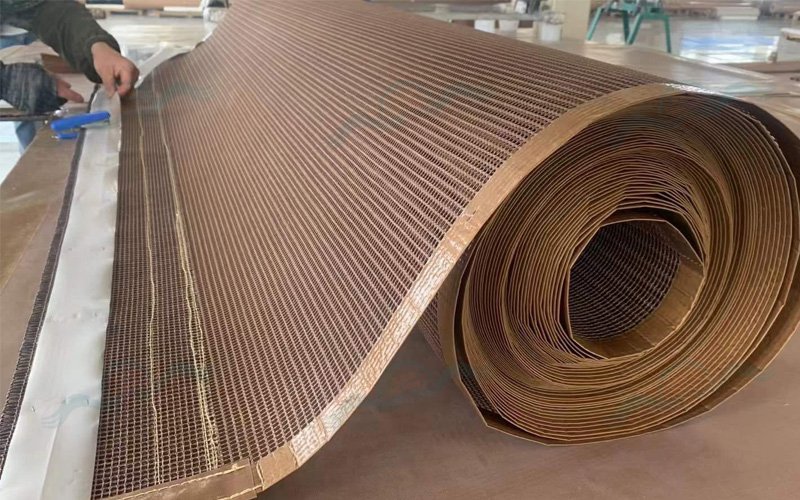
PTFE belts offer 260°C heat resistance, non-stick release, and chemical inertness; choose mesh for wet drying or solid for dry curing across 11 major sectors.
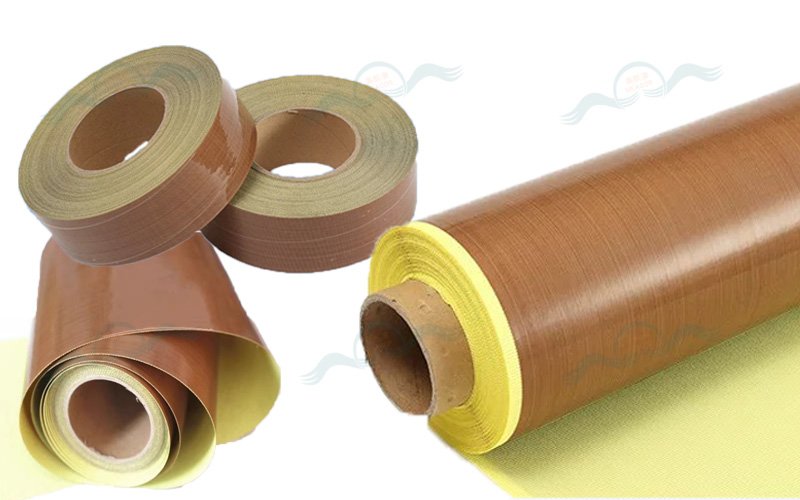
Apply PTFE tape progressively to clean sizing rollers, overlap and flush-cut seams, and eliminate air bubbles for 260°C non-stick textile drying.
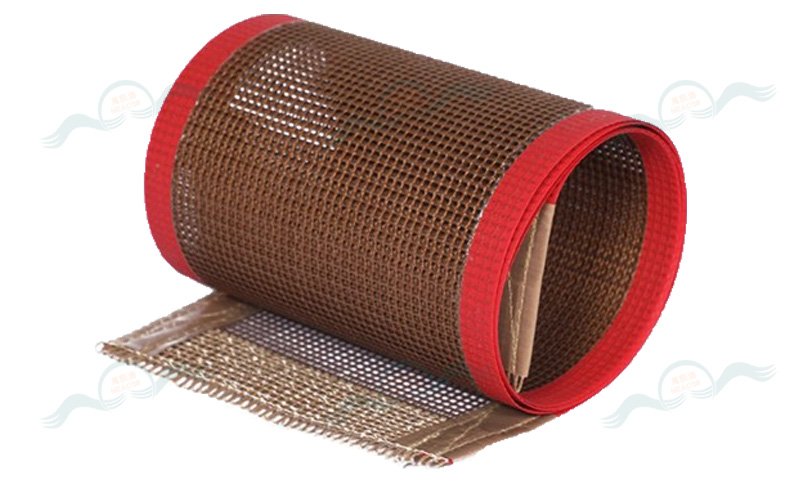
Adjust PTFE belt tracking via idler and pulley alignment, choose mesh for wet drying or solid for dry processing, and leverage 260°C limits across 11 sectors.
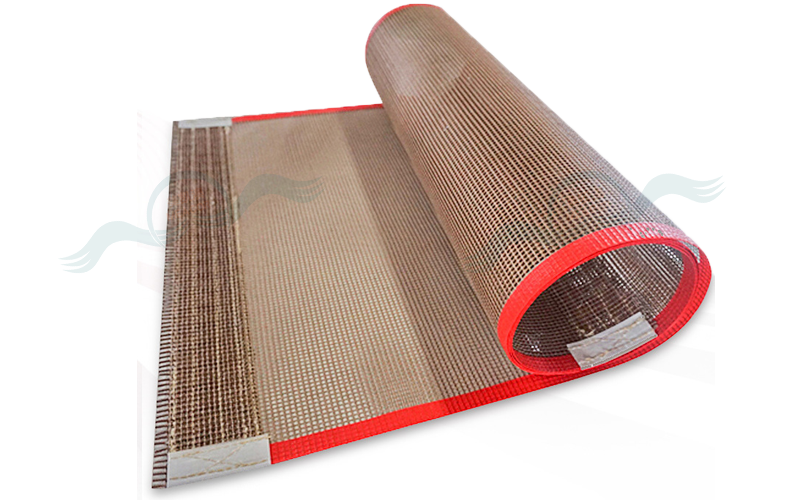
PTFE open-mesh belts feature 300°C heat resistance, non-stick release, and high permeability for textile printing, UV curing, and food baking tunnels.
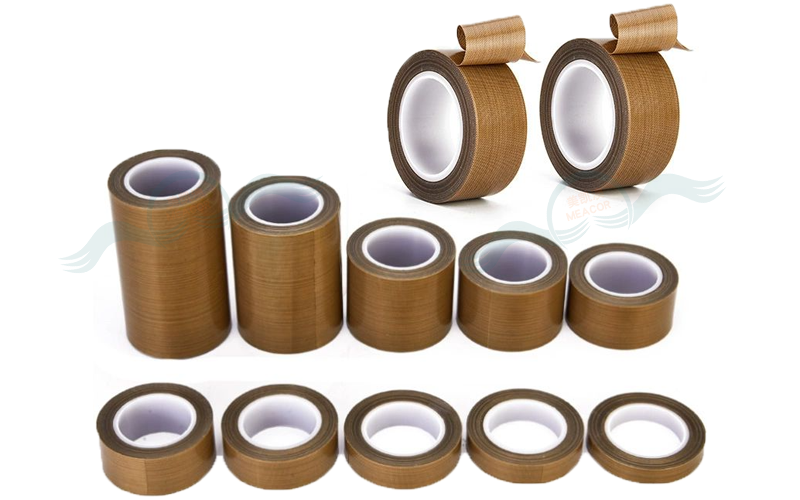
PTFE tape manufacturing features dip-coating fiberglass, 360-380°C sintering, and silicone adhesive cross-linking for 260°C heat-sealing applications.