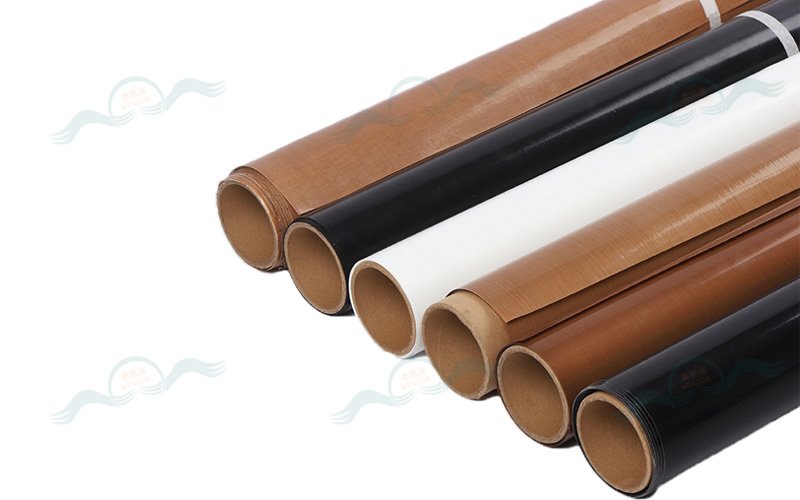
Store PTFE fabric at 10–30°C, 40–65%RH, UV-free & in roll form — never fold; keep sealed in original packaging; FIFO within 18–24 months with monthly inspection for optimal performance.

Store PTFE fabric at 10–30°C, 40–65%RH, UV-free & in roll form — never fold; keep sealed in original packaging; FIFO within 18–24 months with monthly inspection for optimal performance.
PTFE fabric in chemical use: avoid molten alkali metals & fluorinating agents; select ECR or Kevlar substrate for strong alkali; inspect coating regularly & seal edges to prevent chemical ingress.
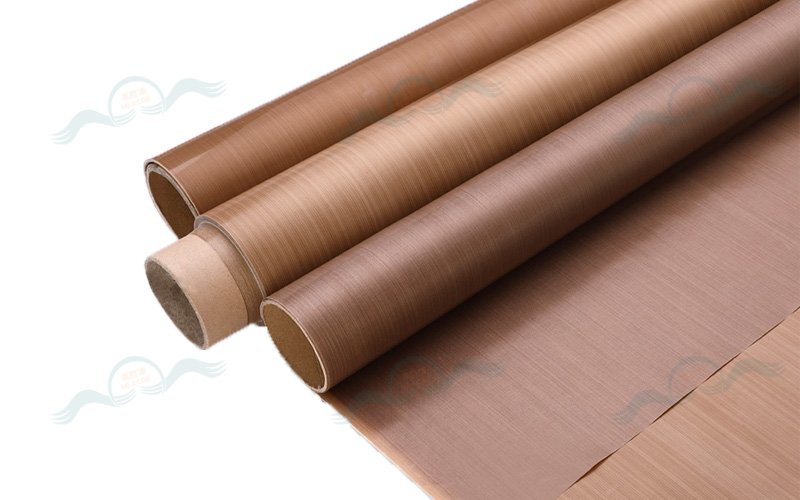
PTFE fabric with fiberglass substrate offers >10¹⁸Ω·cm resistivity, >20kV breakdown voltage & stable insulation from -70°C to 260°C — a top high-temp insulating material choice.
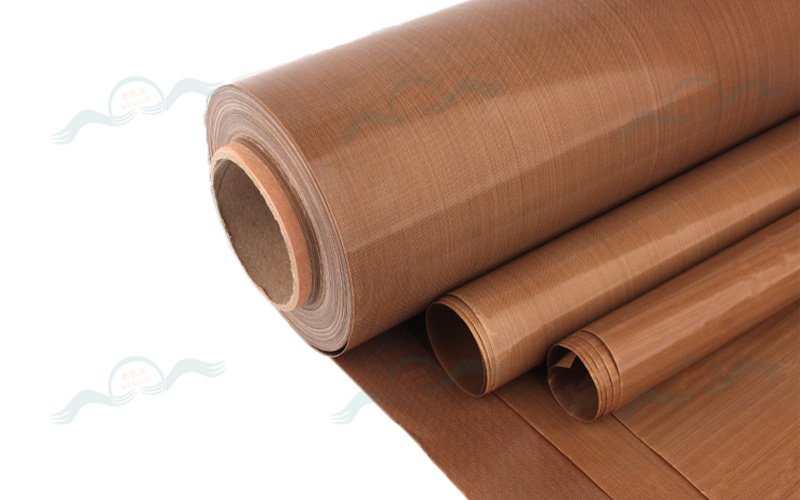
PTFE fabric thickness selection balances temperature, load, function & equipment clearance: 0.13–0.18mm for baking, 0.25–0.35mm for PV lamination, 0.40–0.65mm for heavy conveying.
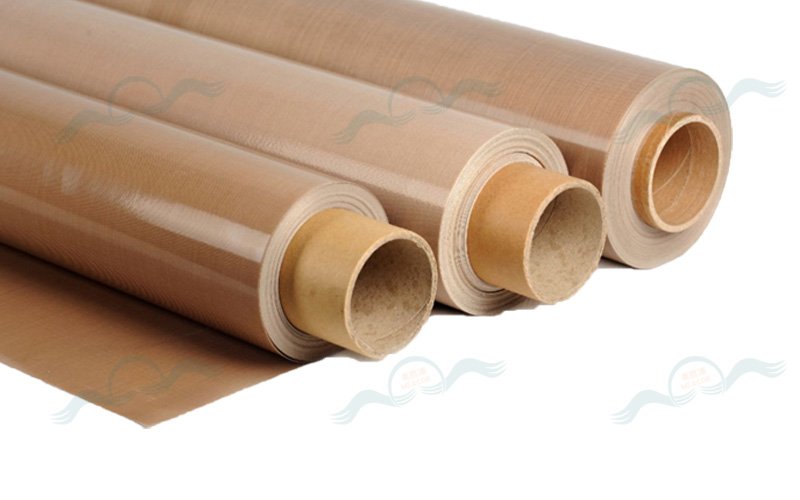
PTFE fabric repair matches damage type — spray coating, film patching, heat-weld splicing or edge banding; replace fully if damage exceeds 50cm² or 20% of total area; verify adhesion post-repair.
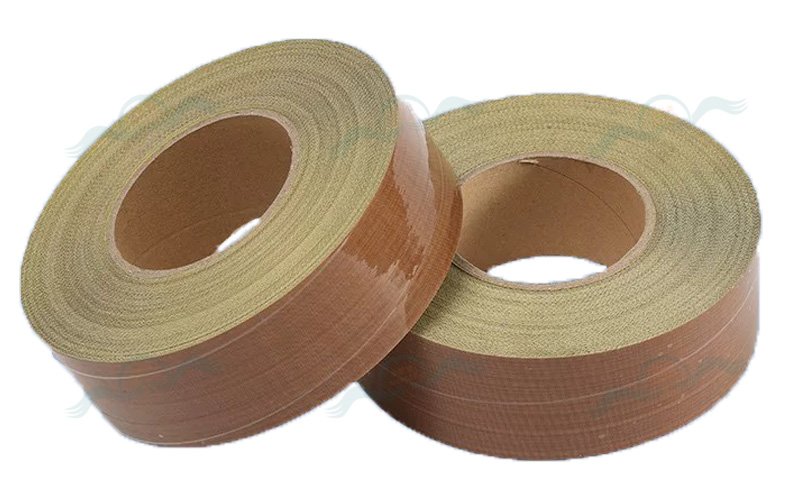
PTFE tape heat tests follow ASTM D3575 and HG/T 4304 to verify 260°C long-term stability, 350°C flash resistance, and 80% peel retention.
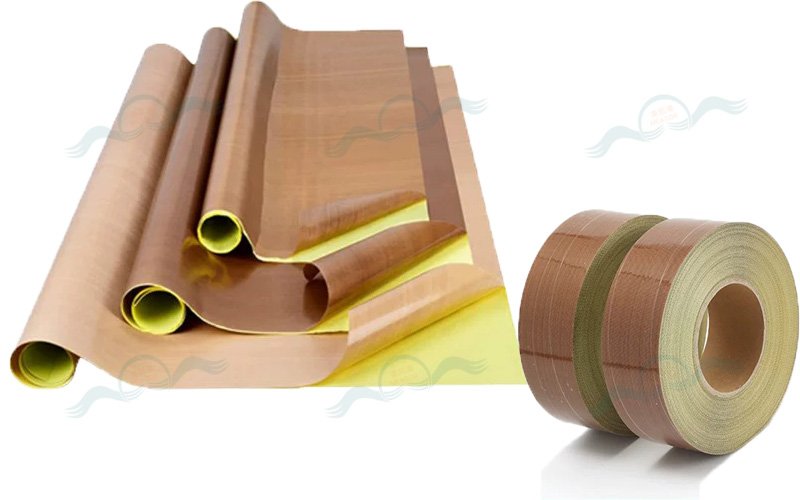
PTFE fabric excels in -196°C to 260°C heat resistance, non-stick & chemical resistance; silicone rubber leads in elasticity, compression sealing & cost — complementary materials by application.
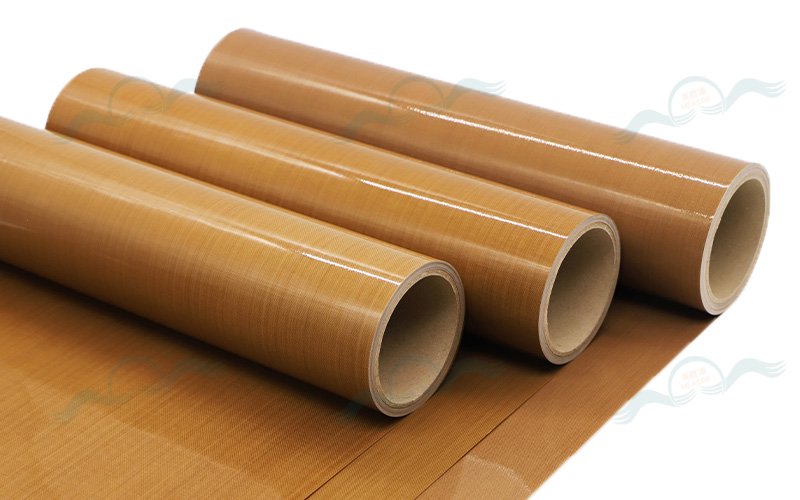
PTFE fabric total tensile force equals unit-width strength × width — unit-width strength is a material constant; engineering selection must factor in temperature derating & splice joint loss.
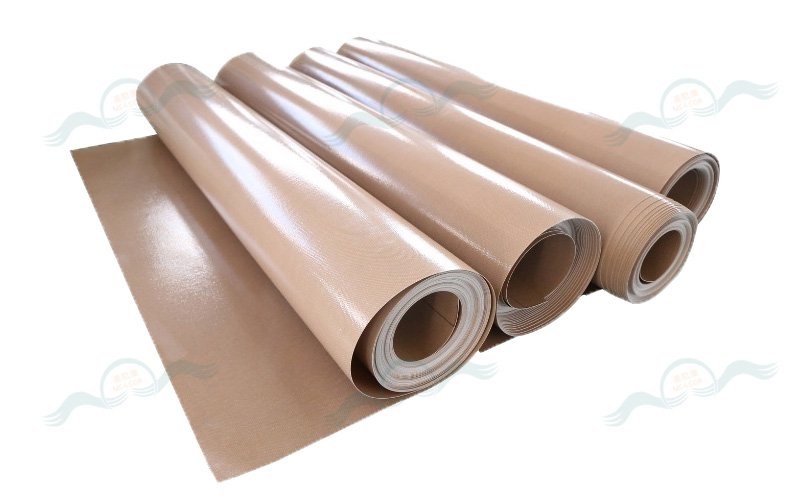
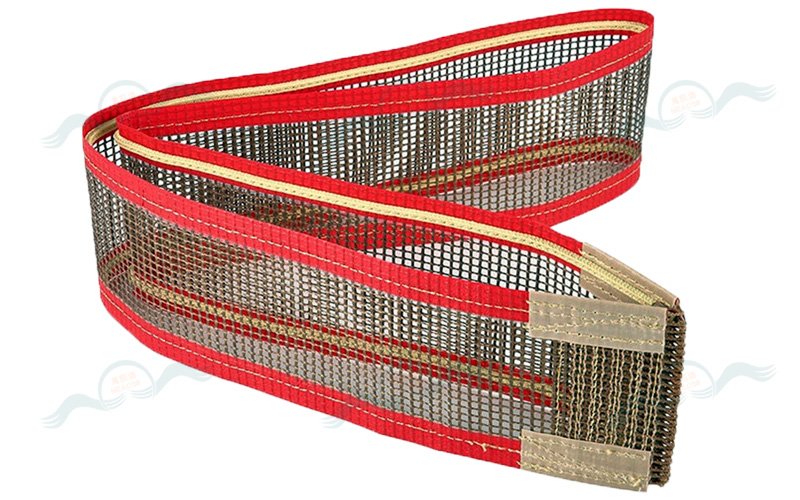
Operate PTFE belts with 0.3-0.5 MPa tension, keep heat 20-30°C below max limits, clean with neutral detergent, and inspect 260°C thermal seams regularly.
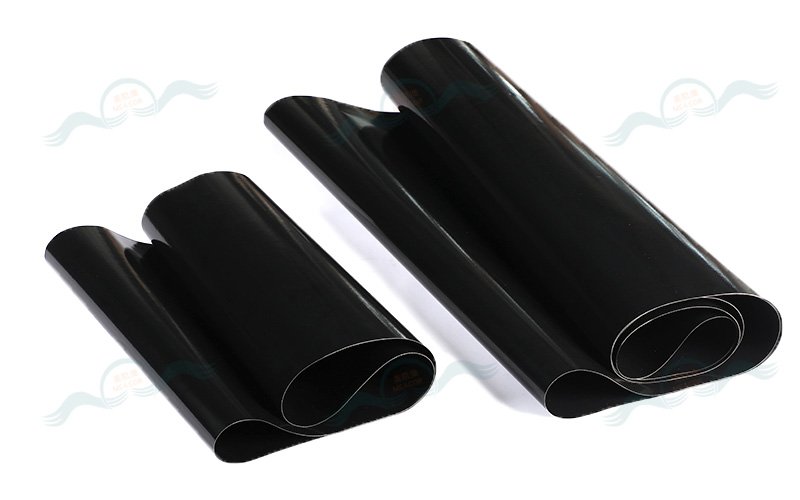
PTFE fabric with fiberglass substrate offers >10¹⁸Ω·cm resistivity, >20kV breakdown voltage & stable insulation from -70°C to 260°C — a top high-temp insulating material choice.
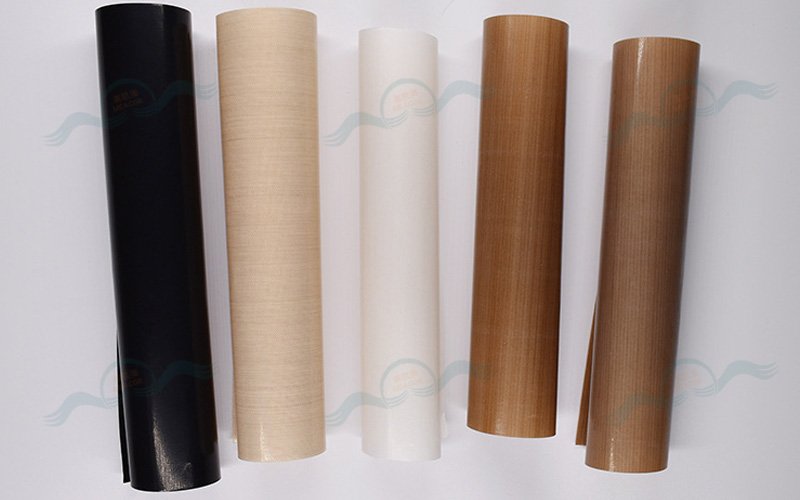
Over 99% of commercial PTFE high-temp fabric uses fiberglass reinforcement for strength & stability — only specialty pure PTFE film contains no fiberglass but has very limited durability.
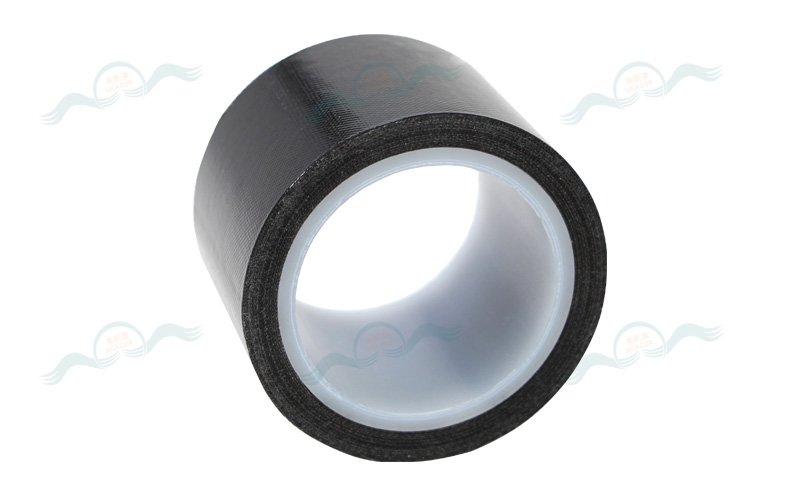
PTFE tape heat limit depends on adhesive, not the film — standard PSA grade: 260°C continuous; fiberglass grade: 300°C; short-term peak: 350°C. Always check adhesive vs. substrate ratings.