PTFE conveyor belts offer 260°C heat tolerance, acid resistance, non-stick release, and food-grade hygiene for low-maintenance industrial transport.



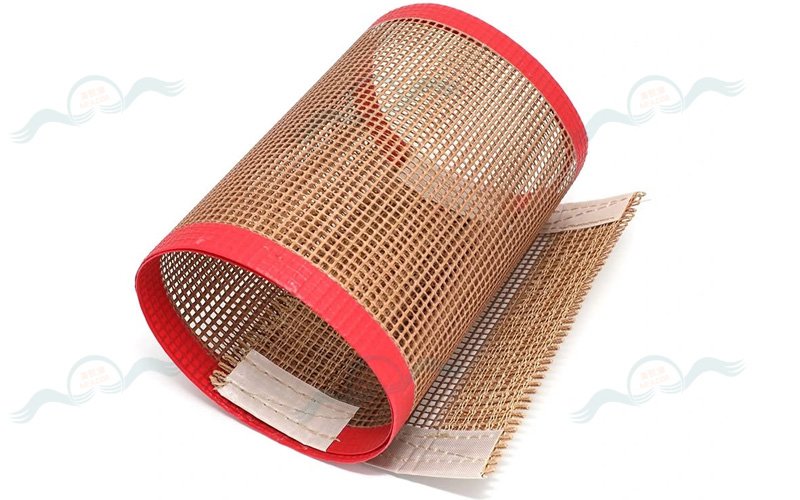
PTFE conveyor belts offer 260°C heat tolerance, acid resistance, non-stick release, and food-grade hygiene for low-maintenance industrial transport.
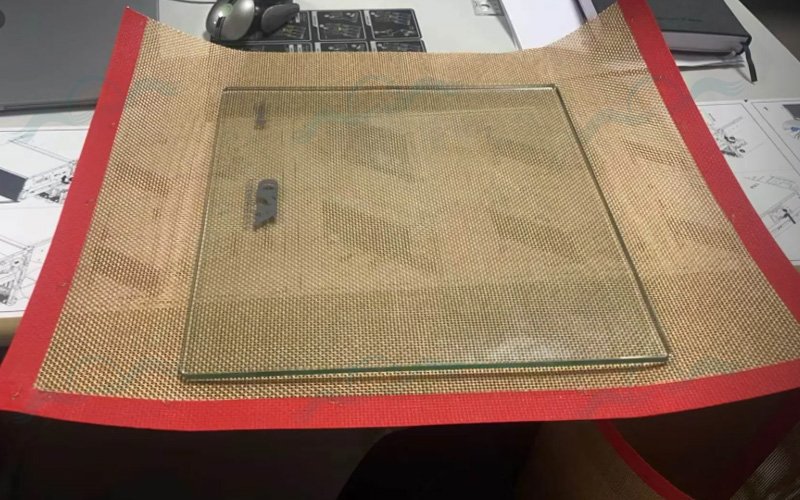
PTFE mesh sheets provide 260°C heat resistance and anti-adhesion to prevent EVA/PVB resin overflow and bubble formation during autoclave glass lamination.
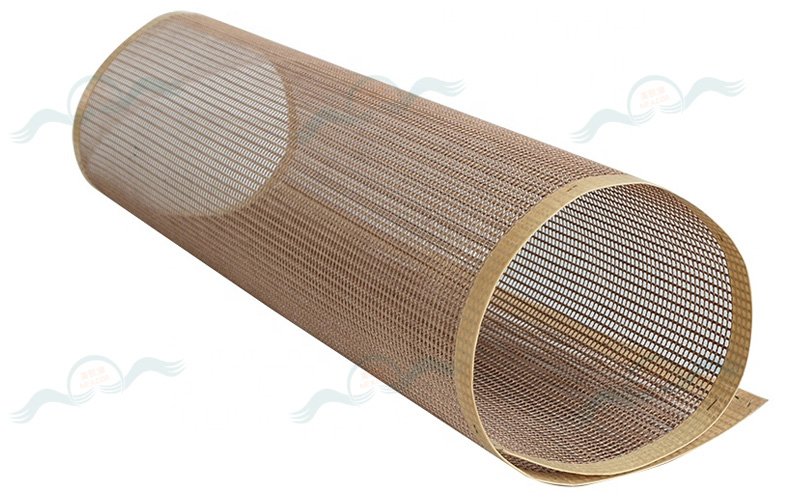
PTFE belts deliver superior chemical corrosion resistance, requiring speed control, load balancing, media matching, and residue cleaning for long-term reliability.
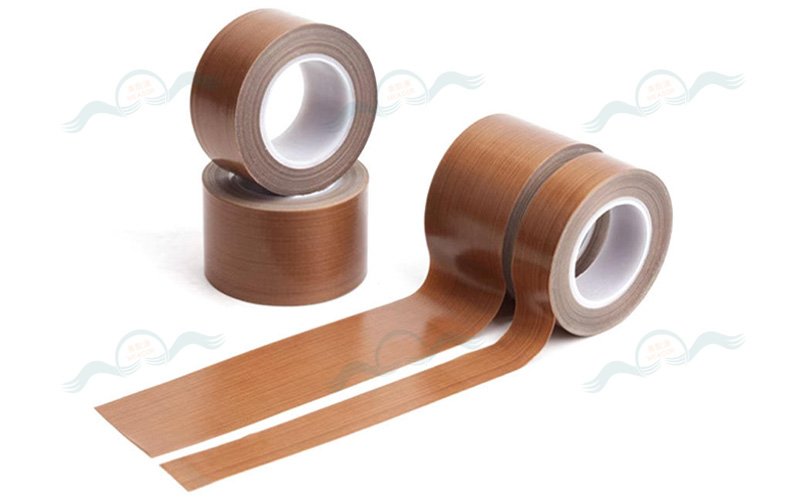
PTFE tape provides 260°C heat resistance, anti-adhesion, and insulation for thermal sealing, with fabric reinforcement and precise glue matching.
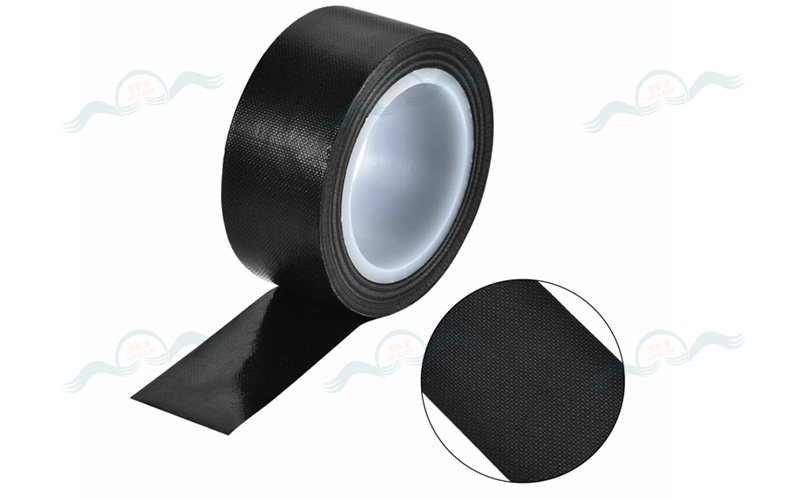
Store PTFE tape sealed, roll form at -15°C to 40°C — away from UV, moisture, acids & heat sources; shelf life is 3–4 months for domestic grade, up to 8 months for imported grade.
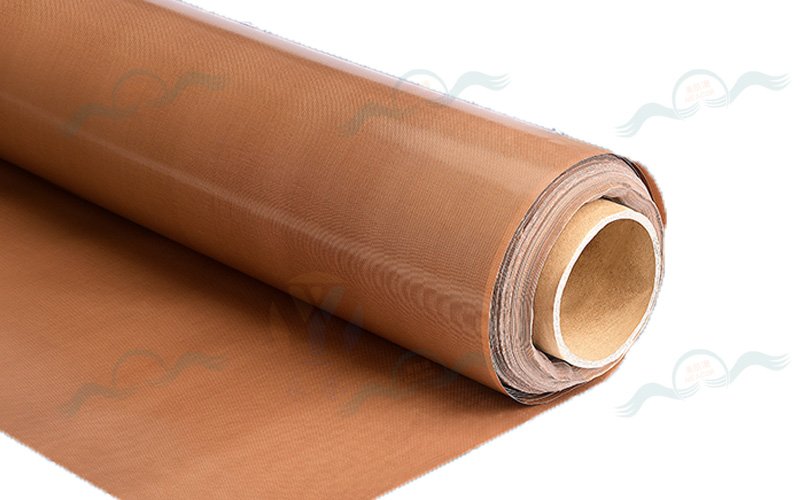
PTFE fabric provides 260°C heat resistance and chemical-proof non-stick release for packaging heat-sealing, roller wrapping, and cable insulation.
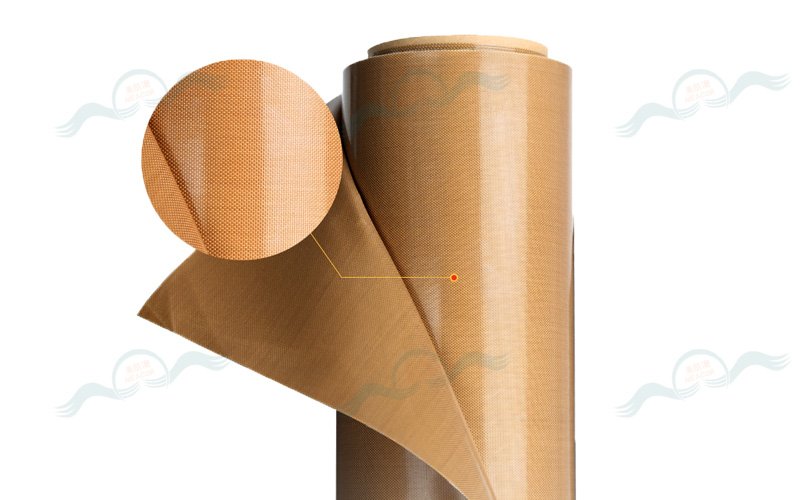
PTFE conveyor belts provide 260°C heat endurance, non-stick release, and acid resistance for automated PCB, automotive, and food lines.
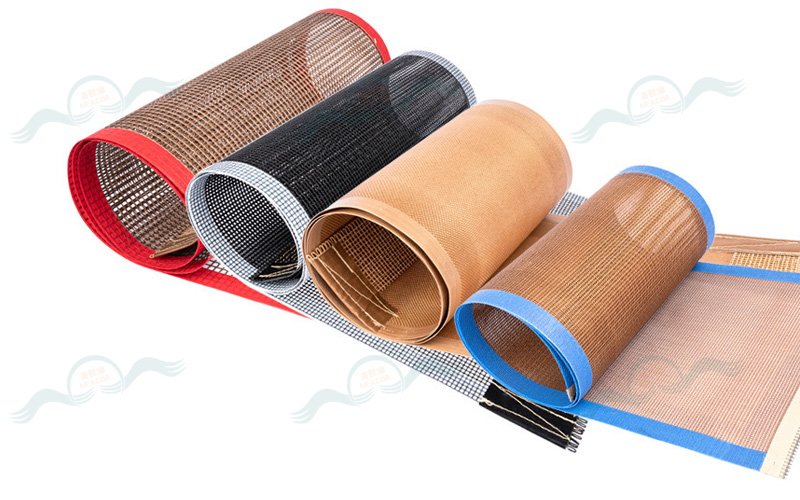
Silicone belts fit mid-temp food lines with perforations, while PTFE belts excel in continuous high-temp, viscous, or chemical environments with tracking guides.
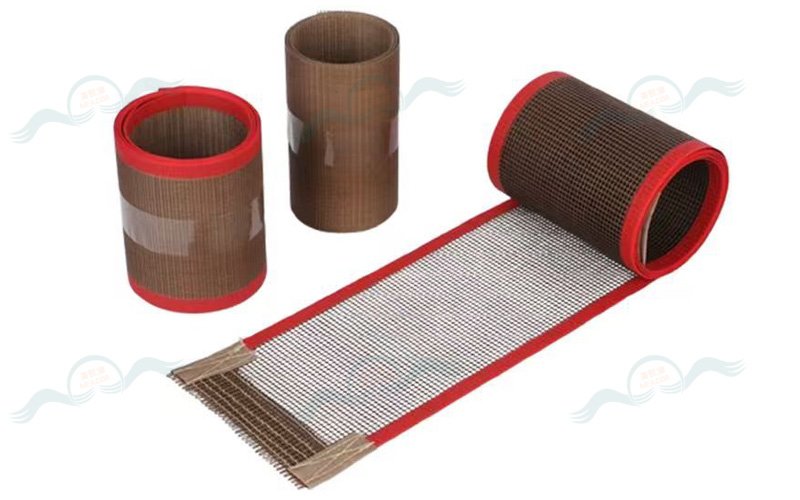
PTFE belts offer -70°C to 260°C heat resistance, non-stick release, and chemical inertness for textile drying, food baking, and lithium battery production.
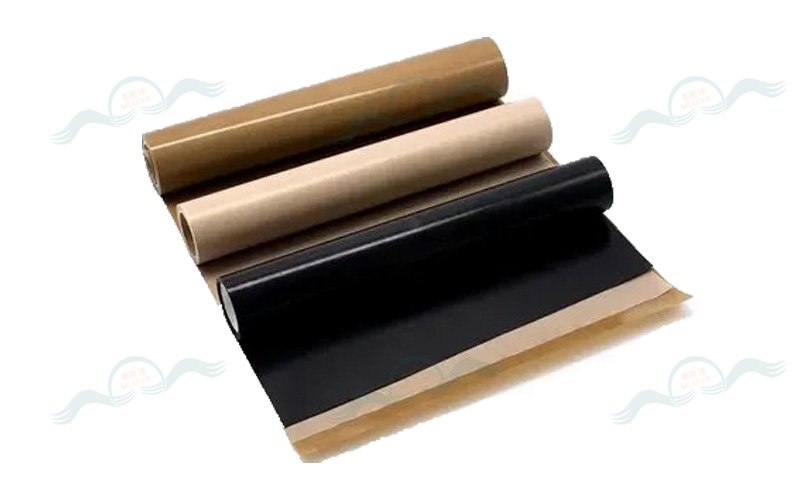
PTFE tape residue after baking stems from thermal limit mismatches, incomplete adhesive curing, or skipped log aging; cure testing prevents defects.
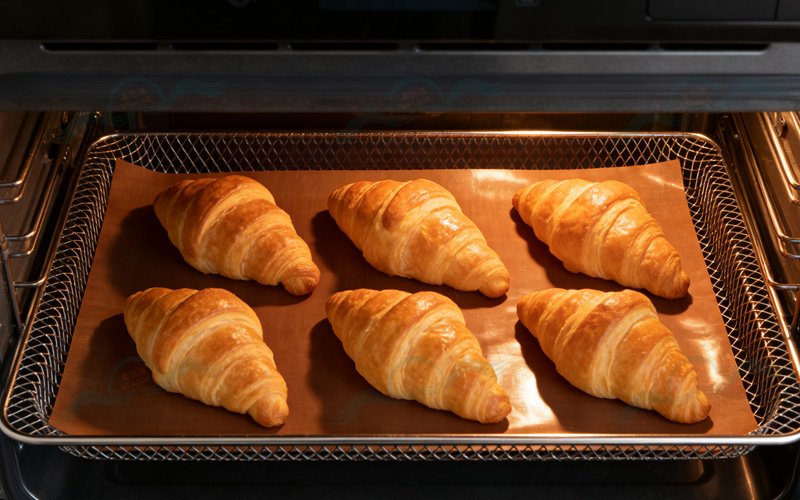
Anhui Meacor PTFE baking mats offer non-stick, -70°C to 400°C heat resistance, dishwasher-safe & food-contact-safe performance — reusable, cuttable & ideal for baking & oven liner use.
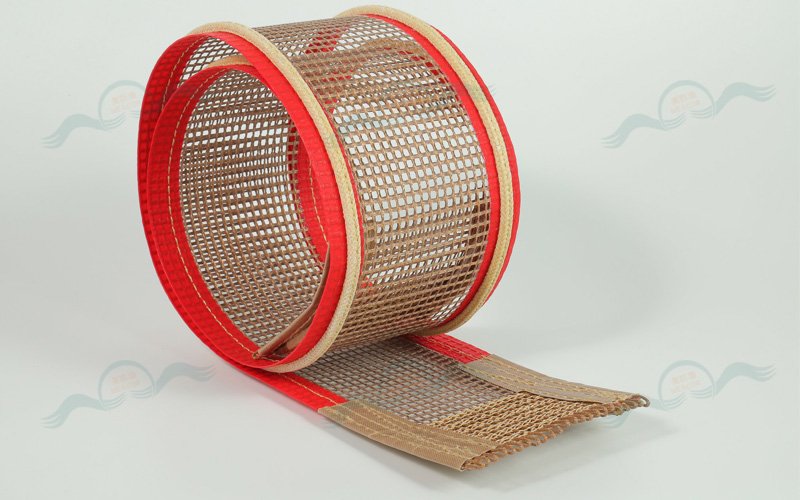
Correct PTFE belt drift by adjusting idlers, aligning head/tail pulleys within 1 mm, and using guide baffles to center material loading.