Low-temp PTFE tape selection centers on adhesive type — silicone for below -50°C, acrylic for -40°C range — matched with fiberglass or pure film substrate & thickness.

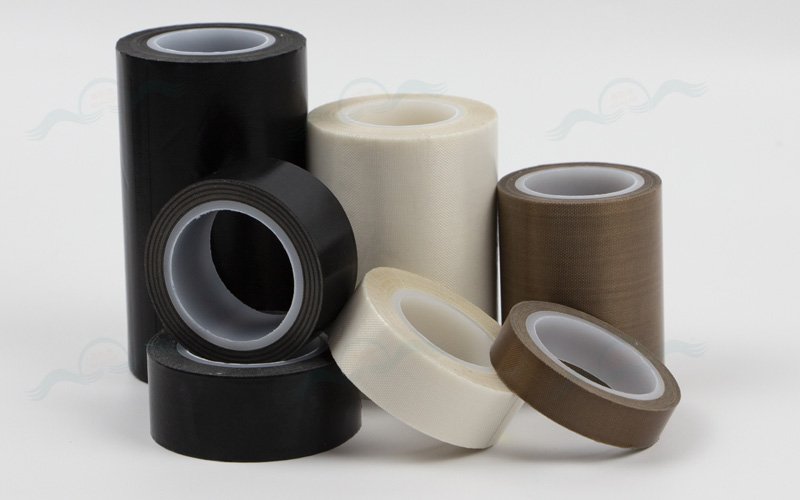
Low-temp PTFE tape selection centers on adhesive type — silicone for below -50°C, acrylic for -40°C range — matched with fiberglass or pure film substrate & thickness.
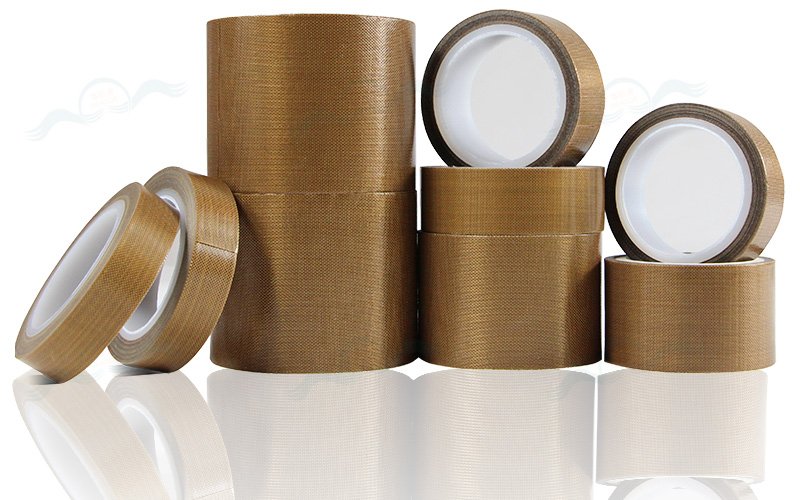
PTFE tape low-temp performance varies by thickness — ultra-thin excels in flexibility, standard is best for deep cryogenic use, thick grade leads in sealing & impact strength.
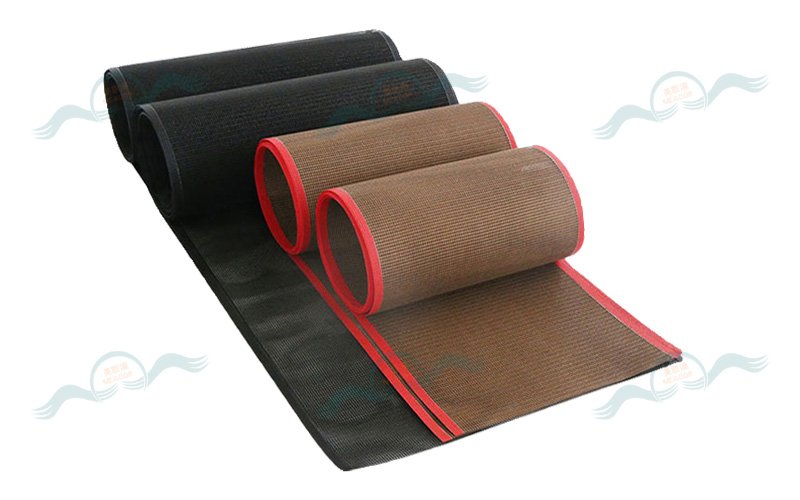
To enhance PTFE belt load capacity at high temperatures, upgrade to an aramid/S-glass core, apply filler-modified coatings, and use dynamic tensioning systems.
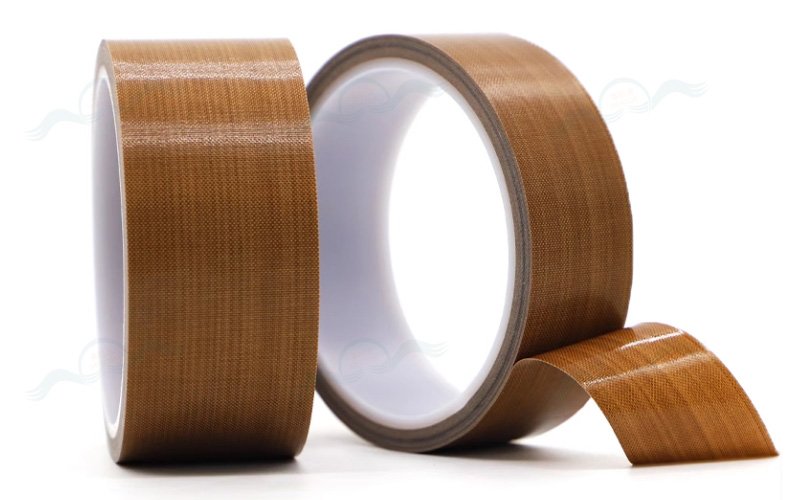
PTFE tapes require replacement when they exhibit peeling, curling, adhesive bleeding, or loss of non-stick release and electrical insulation capabilities.
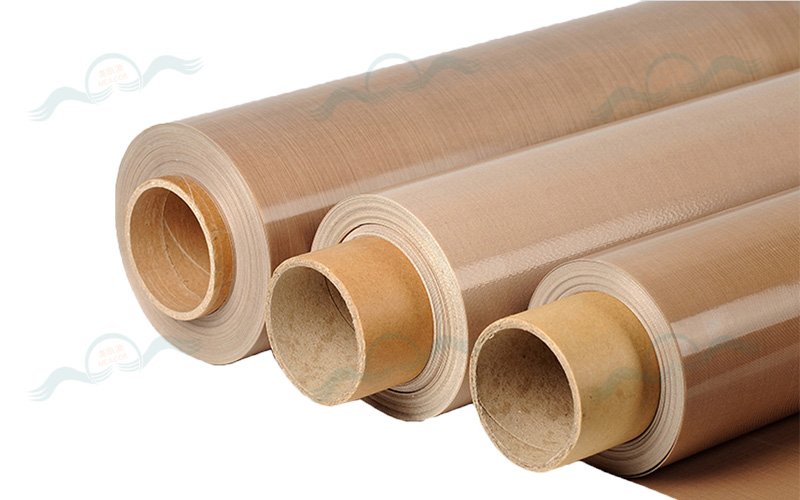
Annealing reduces skived PTFE film roughness from 0.5–2.0μm to 0.1–0.5μm via stress relief & crystallization — but excessive temperature or time causes the opposite effect.
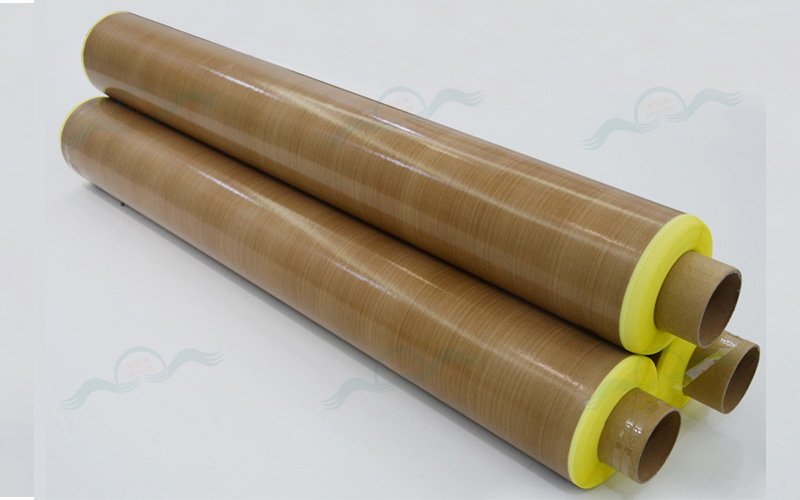
PTFE tape heat resistance decline is driven by adhesive aging, not substrate degradation — proper storage & rated-temp use yield 1–3 years; over-temp use shortens it sharply.
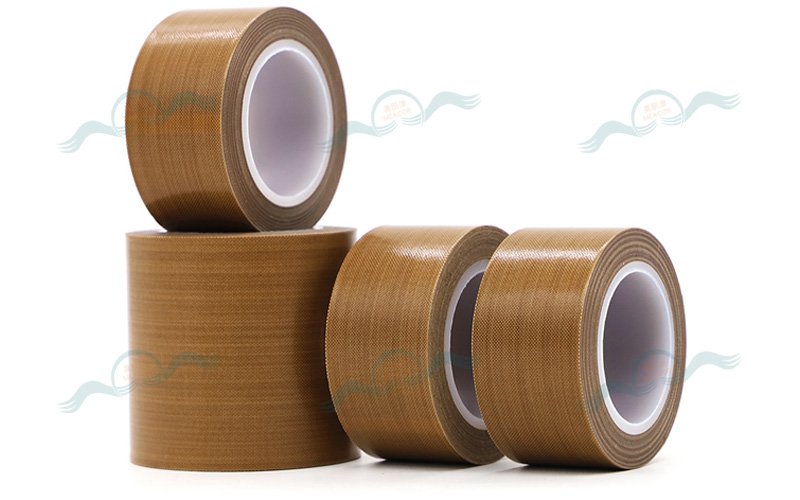
PTFE tape resists nearly all acids, alkalis, solvents, oxidizers & salts — only molten alkali metals & high-conc. fluorides are exceptions, covering 95%+ industrial scenarios.
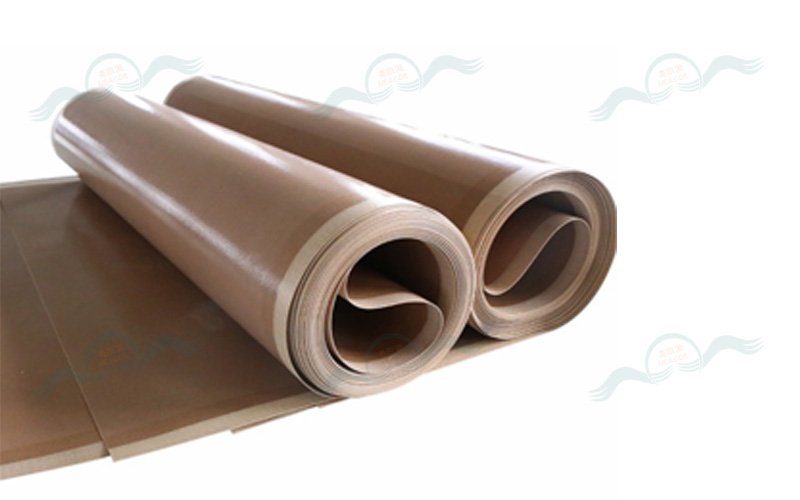
PTFE belt tension adjustment requires gradual, synchronized steps & load verification — keep within 15–25N/cm width with ≤5% side differential for safe, lasting operation.
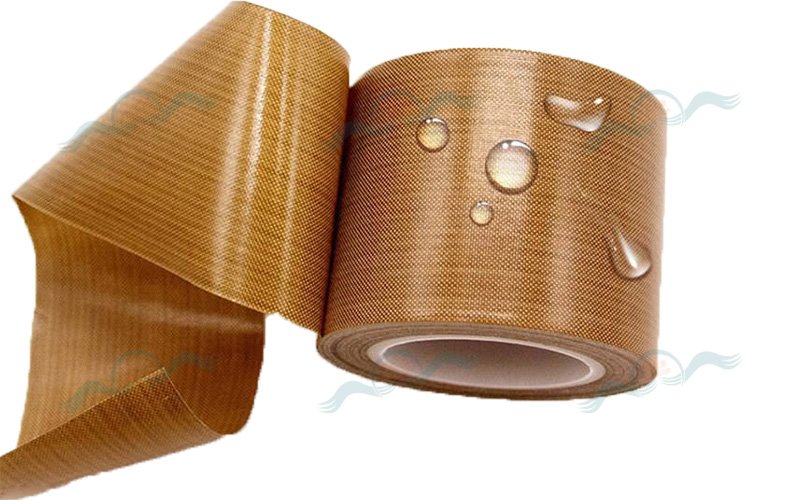
Assess PTFE anti-stick tape adhesion via rolling ball, 180° peel & holding power tests — pass: ≥6N/25cm peel, no residue & 80% tack retention at 250°C.
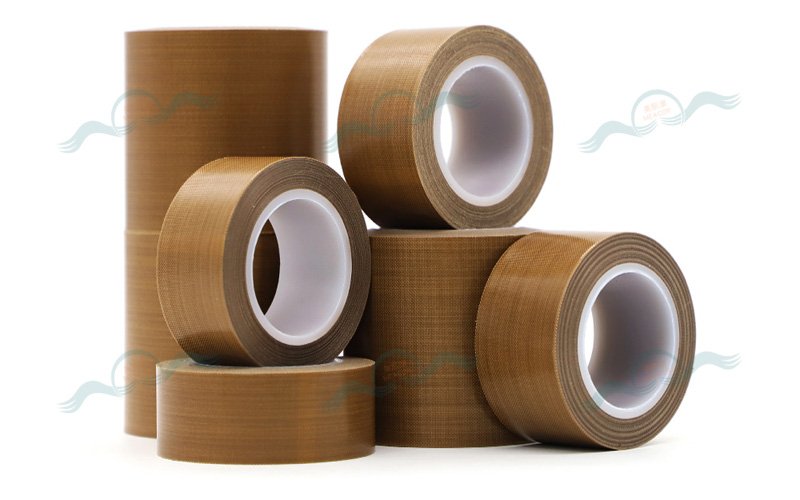
PTFE tape's C-F molecular armor resists strong acids, alkalis, solvents & oxidizers — only molten alkali metals, fluorine gas & hot NaOH above 300°C can cause attack.
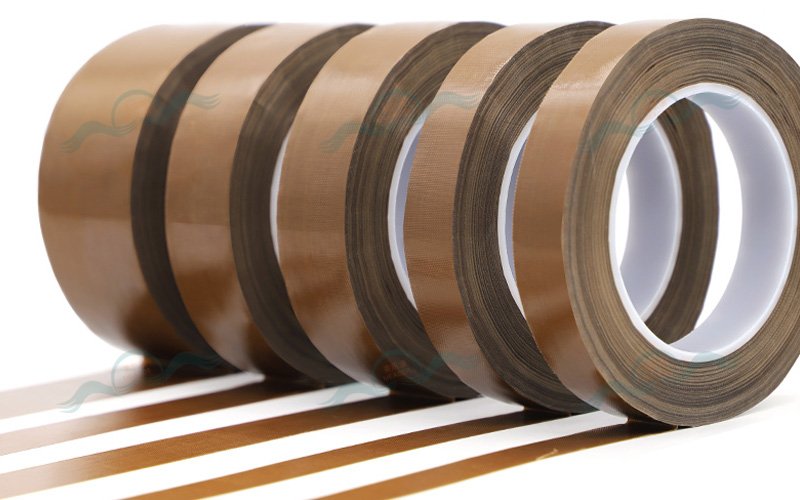
PTFE tape industry faces standard upgrades, EU PFAS restrictions & high-end demand growth — enterprises must shift solvent-free or face 15-25% cost rises & market access barriers.
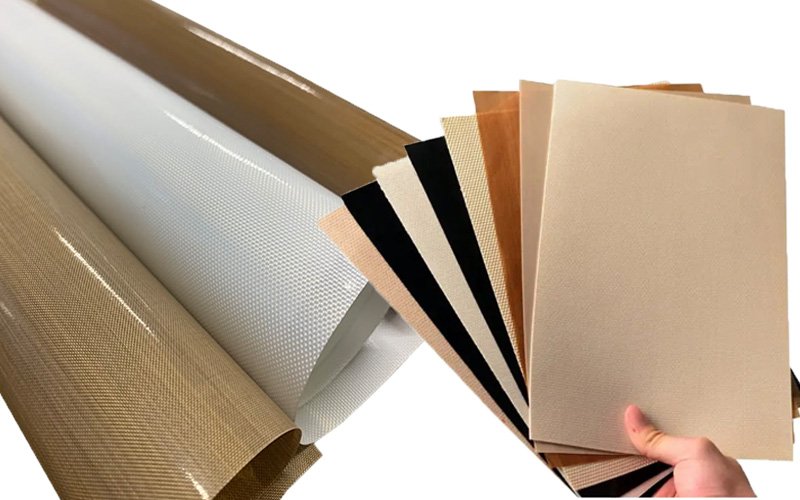
PTFE fabric resists strong acids, alkalis, solvents & oxidizers — only molten alkali metals, fluorinating agents & temps above 400°C are exceptions, ideal for chemical protection.